
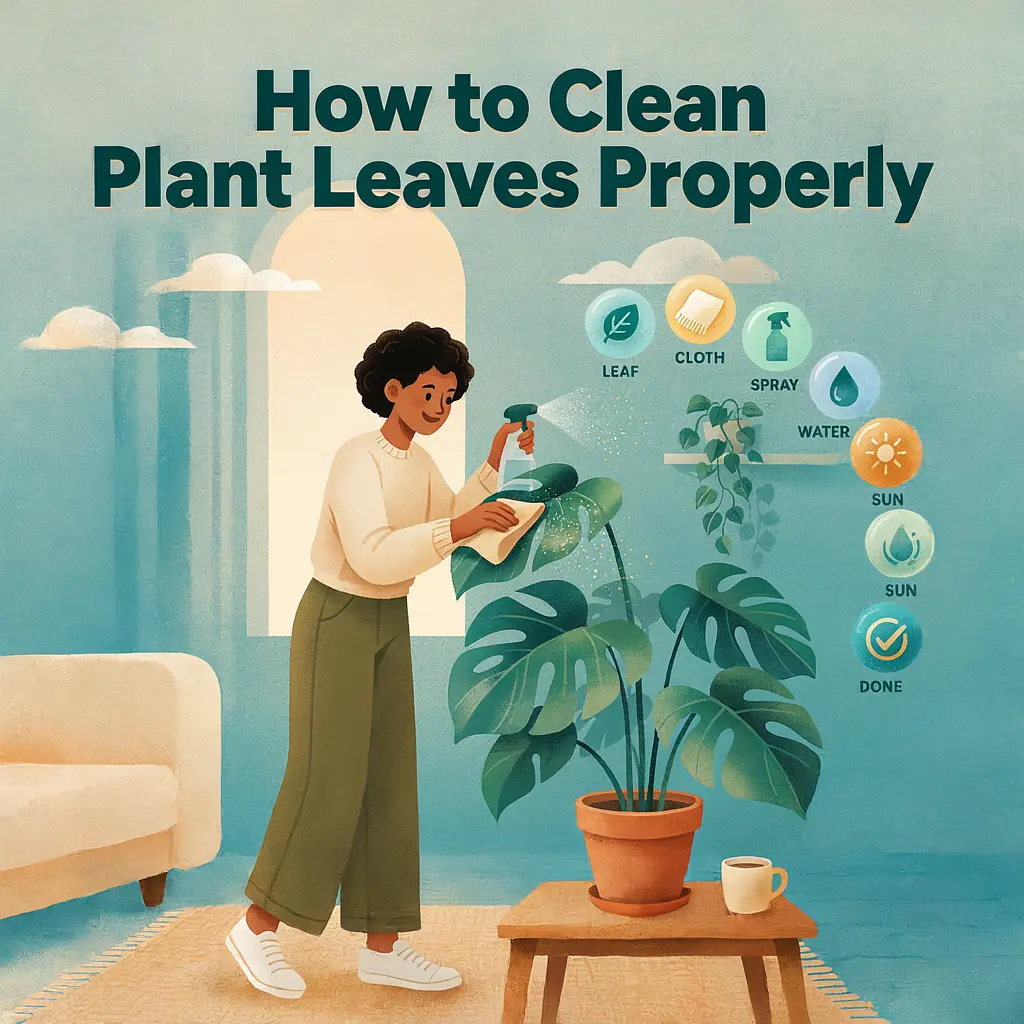
Healthy houseplants don't just need water, sunlight, and the occasional dose of fertilizer, they also need clean leaves. While it's easy to overlook a thin layer of dust, that buildup can quietly affect how well your plant grows. Dust blocks sunlight, interferes with photosynthesis, and can even make it harder to spot pests before they become a bigger problem.
Think of plant leaves as tiny solar panels. The cleaner they are, the more efficiently they can capture light and convert it into the energy needed for healthy growth. Whether you have a towering fiddle leaf fig, a trailing pothos, or a collection of succulents on your windowsill, giving their leaves a regular clean can make a noticeable difference in both appearance and overall health.
The good news is that cleaning plant leaves is quick, inexpensive, and doesn't require special products. In fact, some of the best methods involve nothing more than water, a soft cloth, or a gentle shower. Knowing which technique works best for different types of plants can help you avoid accidental damage while keeping your indoor jungle looking its best.
In this guide, you'll learn why clean leaves matter, how often you should clean them, the safest methods for different plant varieties, common mistakes to avoid, and simple tips that will help your plants stay healthier all year long.
Why Clean Plant Leaves in the First Place?
If you've ever noticed a layer of dust settling on your furniture, the same thing is happening to your houseplants. While dusty leaves may seem like a minor cosmetic issue, they can have a surprising impact on a plant's ability to grow and stay healthy. Regularly cleaning your plant's leaves is one of the simplest maintenance tasks you can add to your care routine, and the benefits go far beyond making your plants look attractive.
Cleaner Leaves Capture More Sunlight
Plants rely on sunlight to produce energy through photosynthesis. When dust, dirt, or airborne particles coat the leaves, they create a barrier that reduces the amount of light reaching the leaf's surface. Over time, this can slow growth, weaken the plant, and reduce the production of healthy new leaves.
Better Photosynthesis Means Healthier Growth
Photosynthesis is how plants turn sunlight, water, and carbon dioxide into food. The cleaner the leaves, the more efficiently this process works. Healthy, clean foliage allows your plant to produce more energy, supporting stronger roots, fuller foliage, and vibrant new growth.
It's Easier to Spot Problems Early
Cleaning your plants gives you a chance to inspect every leaf. While wiping away dust, you may notice early signs of spider mites, scale insects, mealybugs, fungal spots, or yellowing leaves that could otherwise go unnoticed. Catching these issues early often makes them much easier to treat.
Leaves Can Breathe More Easily
Plant leaves contain tiny pores called stomata that allow them to exchange gases with the surrounding air. Although a little dust won't completely block these pores, excessive buildup can interfere with normal gas exchange and contribute to unnecessary stress, especially for indoor plants that already receive less airflow than outdoor plants.
Your Home Looks Better Too
There's no denying the visual difference between a dusty plant and one with fresh, glossy foliage. Clean leaves instantly make houseplants appear healthier, brighter, and more vibrant. Whether your plants are part of your living room décor or your home office setup, a quick cleaning helps them become an even more attractive feature in your space.
Cleaning plant leaves may only take a few minutes, but it's one of those small habits that pays off over time. Healthier growth, easier pest detection, improved light absorption, and a fresher-looking home are all excellent reasons to make leaf cleaning part of your regular plant care routine.
How Dirty Leaves Affect Plant Health
A little dust may not seem like a big deal, but over weeks and months, it can have a noticeable impact on your plant's health. Indoor plants don't experience natural rainfall the way outdoor plants do, so dust, pet hair, cooking grease, and other airborne particles gradually settle on their leaves. Without regular cleaning, this buildup can affect how efficiently your plant functions.
Less Light Means Less Energy
Every plant depends on sunlight to create the energy it needs to survive. When leaves are coated with dust, less light reaches the surface, reducing the efficiency of photosynthesis. As a result, the plant produces less energy for growing roots, stems, and fresh foliage.
If you've ever wondered why a plant seems healthy but isn't growing much, dirty leaves could be one of several contributing factors.
Growth May Slow Down
Plants naturally prioritize survival over growth. When they can't produce enough energy from sunlight, they often slow the production of new leaves and stems. Instead of developing lush, vigorous growth, the plant may appear stagnant or take much longer to produce new foliage.
Leaves May Lose Their Vibrant Color
Dust can make healthy leaves look dull, but prolonged light blockage can also contribute to pale or yellowing foliage. While yellow leaves are often linked to watering or nutrient issues, dirty leaves can add extra stress that makes these problems more noticeable.
Plants Become More Vulnerable to Stress
Every houseplant experiences occasional stress from changes in temperature, humidity, watering, or light levels. A layer of grime on the leaves adds another obstacle, making it harder for the plant to perform essential functions efficiently. Over time, this can reduce its overall resilience.
Pests Can Go Undetected
Dusty leaves can hide early signs of common houseplant pests such as spider mites, mealybugs, aphids, and scale insects. Since these pests often begin underneath leaves or along stems, a neglected plant may develop a larger infestation before you even realize there's a problem.
Regular cleaning gives you the opportunity to inspect your plant closely, making it easier to catch unwanted visitors before they spread.
A Healthy Appearance Reflects a Healthy Plant
One of the first things people notice about a thriving plant is its foliage. Bright, clean leaves usually indicate good care, while dirty or neglected leaves can make even a healthy plant appear tired and unhealthy. Keeping leaves clean not only supports the plant's biological processes but also allows its natural beauty to shine through.
Although dirty leaves alone won't kill a healthy plant, they can gradually reduce its ability to thrive. Combined with proper watering, adequate sunlight, and the right soil, regular leaf cleaning is one of the easiest ways to help your houseplants stay vigorous, attractive, and better equipped to handle everyday stresses.
How Often Should You Clean Plant Leaves?
There isn't a one-size-fits-all schedule for cleaning plant leaves. How often your plants need attention depends on where they live, the size and texture of their leaves, and how quickly dust builds up in your home. The goal isn't to clean them constantly, it's to keep them free from the layer of dirt that can interfere with healthy growth.
A quick visual inspection every week is usually enough to tell you whether it's time for a cleaning.
Large-Leaf Houseplants
Plants with broad leaves tend to collect dust the fastest because they have more surface area exposed to the air. Popular houseplants such as monstera, fiddle leaf fig, rubber plant, peace lily, and bird of paradise often benefit from a gentle wipe every two to four weeks.
If you notice fingerprints, dust, or water spots, it's probably time for a quick clean.
Small-Leaf Plants
Plants with dozens of tiny leaves, such as pothos, English ivy, or string of pearls, usually don't need individual leaves wiped down. Instead, a gentle rinse in the shower or a light mist followed by good airflow is often enough every month or so.
Because each leaf is small, cleaning them one by one can be time-consuming and unnecessary.
Indoor vs. Outdoor Plants
Indoor plants generally need more frequent cleaning because they don't benefit from natural rainfall. Dust from heating systems, air conditioning, cooking, and everyday household activity gradually settles on their leaves.
Outdoor plants are naturally rinsed by rain and exposed to wind, which removes much of the dirt for you. However, plants growing on covered patios, balconies, or porches may still need an occasional cleaning if they remain sheltered from the weather.
Seasonal Changes Matter
During winter, homes are often closed up, and heating systems can increase the amount of dust circulating indoors. As a result, you may find yourself cleaning plant leaves more often than you do during spring or summer.
Likewise, if you're renovating your home or doing projects that create extra dust, your plants may need a cleaning sooner than usual.
Signs It's Time for a Cleaning
Rather than sticking to a strict calendar, watch your plants for these common signs:
- A visible layer of dust on the leaves.
- Leaves that appear dull instead of naturally glossy.
- Finger marks or water spots on large foliage.
- Dirt collecting along leaf veins.
- You haven't inspected the plant closely in several weeks.
Make Leaf Cleaning Part of Your Plant Care Routine
One of the easiest ways to remember is to combine leaf cleaning with other regular maintenance tasks. Whenever you water deeply, rotate your plants for even sunlight, or check for pests, take a few extra minutes to wipe or rinse the leaves if needed.
By building this simple habit into your routine, you'll help your plants absorb more light, stay healthier, and maintain the lush appearance that makes indoor greenery so rewarding to grow.
Method 1: Wipe Leaves with a Damp Microfiber Cloth
For most houseplants with broad, smooth leaves, a damp microfiber cloth is the safest and most effective cleaning method. It's simple, inexpensive, and gives you complete control, allowing you to remove dust without damaging delicate foliage.
This method works especially well for plants like monstera, fiddle leaf fig, rubber plant, peace lily, philodendron, bird of paradise, and many other tropical houseplants with large leaves.
Why Choose a Microfiber Cloth?
Microfiber is soft enough to clean without scratching the leaf's surface, yet effective enough to trap dust instead of simply pushing it around. Unlike paper towels or rough fabrics, it won't leave lint behind or cause unnecessary wear over time.
For most cleanings, plain lukewarm water is all you need.
Step-by-Step Guide
Follow these simple steps to clean your plant safely:
- Fill a small bowl with lukewarm water.
- Dampen a clean microfiber cloth until it's moist but not dripping.
- Gently support the underside of the leaf with one hand.
- Wipe the top of the leaf from the base toward the tip using light pressure.
- If needed, carefully wipe the underside of the leaf as well, especially if you're checking for pests.
- Rinse the cloth whenever it becomes dirty to avoid spreading dust back onto the plant.
Working one leaf at a time may seem slow, but it allows you to inspect your plant carefully for insects, damaged foliage, or signs of disease.
Be Gentle with Every Leaf
Avoid pressing hard while cleaning. Plant leaves may look tough, but many can bruise or tear if handled roughly. Supporting each leaf with your free hand helps prevent bending or snapping, especially on younger or thinner foliage.
Skip Harsh Cleaning Products
There's no need to use furniture polish, commercial household cleaners, or products designed to create artificial shine. These can leave residues that interfere with the leaf's natural surface and may even damage sensitive plants.
In most cases, clean water removes everyday dust just as effectively.
An Added Opportunity to Inspect Your Plant
One of the biggest advantages of wiping leaves individually is that it encourages regular observation. While cleaning, you can spot tiny spider mites, scale insects, mealybugs, yellowing areas, or damaged stems before they become serious problems.
Those few extra minutes of attention can save you from dealing with a much larger pest issue later.
For plants with large, smooth foliage, a damp microfiber cloth remains one of the safest, easiest, and most reliable ways to keep leaves clean. Done every few weeks, this simple routine helps your plant absorb more light, stay healthier, and maintain the vibrant appearance that makes indoor plants such a beautiful addition to your home.
Method 2: Give Your Plants a Gentle Shower
Sometimes the easiest way to clean a plant is to let water do the work. A gentle shower can quickly wash away dust, pet hair, pollen, and other debris from every leaf at once, making it one of the most efficient cleaning methods for many indoor plants.
This approach is ideal for plants with lots of foliage or leaves that are difficult to wipe individually. Instead of spending time cleaning each leaf by hand, a gentle rinse can freshen the entire plant in just a few minutes.
Which Plants Benefit Most?
A gentle shower works well for many common houseplants, including:
- Pothos
- Spider plants
- Philodendrons
- Monsteras
- Peace lilies
- Boston ferns
- Chinese evergreen
- Prayer plants
- Dracaenas
These plants generally tolerate a thorough rinse without any issues, provided you avoid using excessive water pressure.
Use Lukewarm Water
Water temperature matters more than many people realize. Very cold water can shock tropical plants, while hot water may damage delicate foliage.
Aim for lukewarm water that feels comfortable to your hand. This closely mimics the gentle rainfall these plants experience in their natural environments.
Keep the Water Pressure Low
Strong water pressure can tear leaves, bend stems, or wash away soil from the pot.
Instead:
- Use a gentle spray setting.
- Allow the water to flow softly over the foliage.
- Rotate the plant slowly so every side gets rinsed.
- Let the water carry away dust naturally.
The goal is to rinse, not blast, the leaves.
Don't Forget to Let It Drain
After showering your plant, allow excess water to drain completely before returning it to its decorative pot or usual location.
Leaving the nursery pot sitting in standing water can lead to overly wet soil, increasing the risk of root rot.
If necessary, let the plant sit in the sink, bathtub, or shower for 15 to 30 minutes until most of the water has drained away.
Dry the Leaves if Needed
Most plants can air-dry without any problems. However, if large water droplets remain on broad leaves, you can gently blot them with a clean microfiber cloth.
This helps prevent water spots, especially if your tap water contains a high level of minerals.
When a Shower Isn't the Best Choice
Although this method is excellent for many plants, it's not suitable for every species.
Avoid showering:
- Fuzzy-leaved plants like African violets.
- Certain succulents that dislike excess moisture on their leaves.
- Cacti with dense spines that trap water.
- Plants already suffering from fungal diseases.
For these varieties, a soft brush or another dry-cleaning method is usually a safer option.
A gentle shower is one of the quickest ways to refresh dusty houseplants while removing debris from hard-to-reach areas. When done with lukewarm water and light pressure, it leaves your plants looking cleaner, healthier, and ready to soak up as much sunlight as possible.
Method 3: Use a Soft Paintbrush for Delicate Plants
Not every plant enjoys being wiped with a cloth or rinsed under running water. Some houseplants have fuzzy, velvety, or highly textured leaves that can be damaged if they stay wet or are handled too roughly. For these delicate varieties, a soft paintbrush is one of the safest and most effective cleaning tools you can use.
A clean, dry paintbrush with soft bristles allows you to gently sweep away dust without harming the leaf's natural surface.
Why a Paintbrush Works So Well
Soft-bristled brushes can reach tiny spaces that cloths can't. They remove dust from leaf creases, stems, and textured surfaces while applying very little pressure. This makes them ideal for plants that are easily bruised or whose leaves are covered with fine hairs.
Choose a small, clean paintbrush that has never been used with paint or chemicals. Makeup brushes with soft bristles can also work well, provided they're clean and free of cosmetics.
Plants That Benefit from This Method
A soft brush is especially useful for:
- African violets
- Gloxinias
- Fuzzy begonias
- Certain peperomia varieties
- Cacti with fine spines
- Succulents with powdery coatings
- Orchids with delicate flowers
- Air plants
These plants often have leaf surfaces that should remain dry or untouched by harsh cleaning methods.
How to Clean with a Paintbrush
Cleaning is simple but requires a gentle touch:
- Hold the plant steady with one hand.
- Use light, sweeping strokes to brush dust away from each leaf.
- Work from the center of the plant outward.
- Brush around stems and between tightly packed leaves.
- If dust collects on the brush, gently tap or wipe it clean before continuing.
There's no need to scrub. The goal is simply to lift away loose dust.
Be Extra Careful with Powdery Succulents
Many succulents, such as echeverias, have a natural white coating known as farina. This protective layer helps shield the plant from intense sunlight and moisture loss.
Avoid wiping or rubbing these plants with cloths, as the farina can be permanently removed. A soft brush is a much safer way to clear away loose dust while preserving the plant's natural protection.
Make It a Regular Habit
Because delicate plants can't usually be rinsed under a faucet, brushing them every few weeks helps prevent dust from building up over time. It only takes a few minutes and can make a noticeable difference in both appearance and overall plant health.
Using a soft paintbrush may seem unconventional, but it's one of the best methods for keeping sensitive houseplants clean without risking damage. For plants with fuzzy leaves, textured foliage, or delicate surfaces, this gentle approach is often the safest choice.
Method 4: Clean Small Leaves with a Fine Mist
Plants with dozens, or even hundreds, of tiny leaves can be difficult to clean individually. Trying to wipe each leaf by hand is not only time-consuming but can also damage delicate stems. For these plants, using a fine mist of water followed by proper drying is often the simplest and safest solution.
This method gently removes light dust while minimizing handling, making it ideal for many small-leaved houseplants.
Which Plants Is This Best For?
A fine mist works well for plants such as:
- Baby's tears
- Maidenhair ferns
- Button fern
- Creeping fig
- Prayer plants with smaller foliage
- Some peperomia varieties
- Fittonia (nerve plant)
These plants often have foliage that's too small or densely packed to wipe leaf by leaf.
Use a Clean Spray Bottle
Fill a spray bottle with clean, lukewarm water and adjust the nozzle to produce a fine, even mist rather than large droplets or a strong stream.
Lightly mist the foliage from several angles so dust loosens across the entire plant. Avoid soaking the leaves, as excessive moisture can linger between tightly packed stems.
Let Gravity Help
After misting, gently tilt the plant or give the pot a slight rotation to encourage excess water to run off naturally. This helps prevent moisture from pooling in the center of the plant, where it can increase the risk of fungal problems.
If your plant is especially dense, lightly shaking it can also help remove trapped water.
Ensure Good Air Circulation
One of the most important steps is allowing the plant to dry properly. Place it in a well-ventilated area with good airflow, but avoid putting it in direct, intense sunlight immediately after misting, as water droplets can sometimes leave mineral spots on the leaves.
Most indoor plants will dry naturally within a short period when air circulation is adequate.
When a Mist Isn't Enough
If your plant has accumulated greasy residue, heavy dust, or sticky deposits from pests like aphids, a light mist may not fully solve the problem. In these cases, a gentle rinse under lukewarm water or careful spot cleaning may be more effective.
Fine misting is best for routine maintenance rather than deep cleaning.
Keep the Process Gentle
It's tempting to spray generously, but more water isn't necessarily better. The goal is simply to loosen and remove surface dust while keeping the foliage healthy and dry as quickly as possible.
For plants with clusters of tiny leaves, a fine mist offers an easy, low-stress cleaning method that keeps foliage looking fresh without the hassle of cleaning every leaf by hand. Combined with good airflow and regular inspections, it's an excellent addition to your plant care routine.
Should You Use Leaf Shine Products?
Walk through any garden center, and you'll likely see bottles of leaf shine promising glossy, vibrant foliage with just a quick spray. While these products can make plants look polished for a short time, they're not always the best choice for your houseplants.
In fact, many experienced gardeners and plant enthusiasts rarely use commercial leaf shine because healthy plants naturally develop an attractive sheen when they're cared for properly.
What Does Leaf Shine Actually Do?
Leaf shine products are designed to create a glossy finish by coating the surface of the leaf. They can instantly improve the appearance of dusty or dull foliage, making plants look cleaner and more vibrant.
However, it's important to understand that this cosmetic effect doesn't make the plant healthier. It simply changes how the leaves look.
The Potential Downsides
Many leaf shine sprays leave behind a thin coating that can attract more dust over time. Depending on the product and how often it's used, this residue may also interfere with the leaf's natural ability to exchange gases through its stomata.
Although occasional use is unlikely to harm a healthy plant, frequent applications are generally unnecessary and may create extra maintenance rather than reducing it.
When Can Leaf Shine Be Useful?
There are a few situations where leaf shine products may be appropriate:
- Preparing decorative plants for a special event.
- Displaying plants in a business or showroom.
- Temporary cosmetic improvement for photography or staging.
Even then, it's best to use the product sparingly and follow the manufacturer's instructions carefully.
Healthy Leaves Already Have Natural Beauty
Plants that receive the right amount of light, water, and nutrition often develop rich color and a subtle natural gloss without any additional products. Regular dust removal with water and a soft cloth usually restores this appearance far better than artificial sprays.
Rather than trying to make leaves shinier, focus on keeping them clean and healthy.
Skip DIY Shine Tricks
You may come across online tips recommending milk, mayonnaise, olive oil, coconut oil, or other household products to create glossy leaves. While these methods might produce temporary shine, they can leave sticky residues that attract dust, encourage fungal growth, or interfere with the leaf's normal functions.
When it comes to plant care, simpler is almost always better.
The Best Alternative
For most houseplants, the safest and most effective approach is still the same:
- Remove dust regularly.
- Use plain lukewarm water.
- Wipe leaves gently with a microfiber cloth or rinse them with a gentle shower when appropriate.
- Reserve any specialty products for rare occasions, if at all.
A truly healthy plant doesn't need artificial shine to look beautiful. Clean, well-maintained leaves naturally reflect light, display richer color, and showcase the vibrant growth that comes from proper care, not from a bottle.
Household Ingredients You Can Safely Use
When it comes to cleaning plant leaves, it's easy to assume that special products or homemade mixtures will do a better job than plain water. In reality, most houseplants need very little. Using simple, plant-safe ingredients is usually the best way to remove dust while avoiding damage to delicate foliage.
Here are the safest options to keep your plants looking clean and healthy.
Plain Water
For routine cleaning, plain water is all you need. It effectively removes dust, pollen, and light dirt without leaving behind residues that can clog the leaf's surface.
Use lukewarm water rather than hot or cold water, as extreme temperatures can stress tropical houseplants.
Distilled or Filtered Water
If you live in an area with hard tap water, you may notice white spots forming on leaves after they dry. These marks are caused by minerals left behind as the water evaporates.
Using distilled or filtered water can help prevent mineral deposits and keep foliage looking fresh, especially on plants with dark green or glossy leaves.
Mild Soap for Pest Problems
If your plant has sticky residue from aphids, mealybugs, or other insects, a small amount of mild liquid soap mixed with water can help remove pests and honeydew.
When using soap:
- Choose a gentle, fragrance-free liquid soap.
- Use only a tiny amount diluted in water.
- Wipe or rinse the leaves afterward to remove any remaining soap.
- Test the solution on a small area first if you're treating a sensitive plant.
Soap should be used for pest management rather than routine cleaning.
Neem Oil for Insect Control
Neem oil isn't a general-purpose leaf cleaner, but it can be useful when treating insect infestations such as spider mites, aphids, scale insects, or whiteflies.
Because neem leaves a protective coating, it should only be applied according to the product instructions and when pests are present. Avoid using it simply to make leaves look cleaner.
A Soft Microfiber Cloth
While not an ingredient, a clean microfiber cloth is one of the most valuable tools for plant care. Combined with water, it removes dust effectively without scratching delicate leaves or leaving lint behind.
Keeping one cloth dedicated to your plants can make regular cleaning quick and easy.
Household Products You Should Never Use
Many popular internet tips recommend using everyday kitchen ingredients to make leaves shiny, but these can often do more harm than good.
Avoid using:
- Olive oil
- Coconut oil
- Mayonnaise
- Butter
- Furniture polish
- Glass cleaner
- Vinegar for routine cleaning
- Bleach or harsh disinfectants
These substances can leave sticky residues, damage leaf tissue, attract more dust, or interfere with the plant's natural processes.
Keep It Simple
Healthy plants don't need complicated cleaning solutions. In most cases, a little lukewarm water, a soft cloth, and regular care are all it takes to maintain clean, vibrant foliage. By avoiding harsh chemicals and unnecessary DIY treatments, you'll protect your plants while giving them the best chance to thrive for years to come.
Common Mistakes to Avoid
Cleaning your plant's leaves is a simple task, but a few common mistakes can do more harm than good. Many well-meaning plant owners follow advice they've seen online without realizing that certain methods can damage leaves, leave harmful residue, or create conditions that encourage disease.
Avoiding these mistakes will help keep your houseplants healthy while making your cleaning routine more effective.
Using Milk or Mayonnaise
One of the oldest plant care myths suggests wiping leaves with milk or mayonnaise to create a glossy finish. While these products may produce temporary shine, they leave behind organic residue that can attract dust, develop unpleasant odors over time, and even encourage mold or bacterial growth.
Your plants don't need food on their leaves, they need clean surfaces that can function naturally.
Applying Oils to Make Leaves Shine
Olive oil, coconut oil, and similar products are often recommended as natural alternatives to commercial leaf shine sprays. Unfortunately, they create a greasy coating that traps dust and dirt, meaning your plants may end up looking dirtier much sooner.
Healthy leaves already have their own protective surface and don't need added oils.
Cleaning in Direct Sunlight
If leaves are wet while sitting in strong, direct sunlight, water can evaporate quickly and leave behind mineral spots, especially if you're using hard tap water. Wet leaves may also experience unnecessary heat stress during the hottest part of the day.
Instead, clean your plants in the morning, evening, or in bright, indirect light where they can dry gradually.
Using Rough Cloths or Abrasive Materials
Paper towels, rough kitchen cloths, or scrubbing sponges may seem harmless, but they can scratch or bruise delicate foliage.
Always use soft materials such as:
- Microfiber cloths
- Cotton cloths
- Soft makeup brushes
- Soft paintbrushes for delicate plants
Gentle pressure is all that's needed to remove dust.
Ignoring the Underside of Leaves
Many people only wipe the top surface of each leaf because that's where dust is most visible. However, the undersides are often where pests like spider mites, aphids, whiteflies, and scale insects hide.
While you don't need to scrub underneath every time, it's a good habit to inspect, and gently clean, the undersides during routine maintenance.
Using Water That's Too Hot or Too Cold
Houseplants, especially tropical varieties, can be sensitive to sudden temperature changes.
Very hot water may damage leaf tissue, while icy water can shock the plant. Lukewarm water is the safest option because it closely matches the temperatures these plants naturally experience.
Cleaning Too Aggressively
More pressure doesn't mean cleaner leaves. Scrubbing too hard can tear leaves, remove natural protective coatings, or damage young growth.
Instead, let water and soft materials do the work. Slow, gentle movements are far more effective than vigorous rubbing.
Forgetting to Check for Pests While Cleaning
Cleaning isn't just about removing dust, it's also the perfect opportunity to inspect your plants.
Take a few extra moments to look for:
- Tiny webs
- Sticky residue
- White cotton-like clusters
- Brown bumps on stems
- Yellow or spotted leaves
Spotting these signs early can prevent a small problem from turning into a major infestation.
By avoiding these common mistakes, you'll make leaf cleaning safer, quicker, and far more beneficial. A simple routine using gentle methods and the right materials is all it takes to help your plants stay healthy, vibrant, and looking their very best.
Special Cleaning Tips for Different Types of Plants
Not all houseplants should be cleaned the same way. The texture, thickness, and structure of a plant's leaves determine the safest cleaning method. Using the wrong approach can damage delicate foliage or remove natural protective coatings, so it's worth taking a few extra minutes to match the cleaning technique to the type of plant you own.
Here's how to care for some of the most common categories of indoor plants.
Large Tropical Plants
Plants such as monstera, fiddle leaf fig, rubber plant, bird of paradise, and peace lily have broad, smooth leaves that naturally collect dust.
The best approach is to:
- Wipe each leaf with a damp microfiber cloth.
- Support the leaf from underneath while cleaning.
- Remove dust every two to four weeks.
- Occasionally give the plant a gentle lukewarm shower if it's especially dusty.
These plants usually benefit the most from regular leaf cleaning because of their large surface area.
Succulents
Succulents require a lighter touch. Many varieties store water in their leaves, while others have a powdery protective coating called farina that shouldn't be rubbed away.
To clean succulents:
- Use a soft paintbrush or makeup brush.
- Brush away loose dust gently.
- Avoid wiping leaves with cloths unless absolutely necessary.
- Don't leave water sitting in the center of rosette-shaped plants.
Less handling is generally better.
Fuzzy-Leaf Plants
Plants like African violets and gloxinias have tiny hairs covering their leaves. These hairs trap moisture, making the plants more susceptible to fungal problems if the foliage stays wet.
Instead of using water:
- Use a dry, soft paintbrush.
- Gently brush dust from each leaf.
- Avoid spraying or wiping with wet cloths.
Keeping the leaves dry is one of the best ways to maintain their health.
Ferns
Ferns produce countless delicate leaflets that are nearly impossible to wipe individually.
For most indoor ferns:
- Use a gentle shower or fine mist.
- Allow excess water to drain completely.
- Place the plant somewhere with good airflow until dry.
This removes dust while preserving the fragile foliage.
Cacti
Most cacti don't require frequent cleaning, but dust can build up between spines over time.
The safest method is:
- Use a small, soft brush.
- Brush from the top downward.
- Wear gloves or use folded paper to handle spiny varieties if necessary.
Avoid soaking cacti unless you're specifically watering the soil.
Flowering Houseplants
Plants that produce blooms, such as orchids, anthuriums, or peace lilies, should be cleaned carefully to avoid damaging the flowers.
Focus on:
- Cleaning only the leaves.
- Avoiding direct water on delicate blooms whenever possible.
- Supporting flower stems if moving the plant during cleaning.
Flowers are often more delicate than foliage and can bruise easily.
When in Doubt, Choose the Gentlest Method
If you're unsure how your plant will respond, start with the least invasive cleaning option. A soft microfiber cloth, gentle paintbrush, or light rinse is usually enough to remove dust without causing damage.
Every plant is different, but the goal remains the same: clean leaves that can absorb more light, stay healthier, and continue producing strong, vibrant growth. By choosing the right cleaning method for each type of plant, you'll protect your collection while helping every plant look and perform its best.
Signs Your Plant Appreciates a Good Cleaning
Cleaning your plant's leaves may seem like a small task, but the results often become noticeable within days or weeks. While you won't see dramatic changes overnight, healthy plants respond well when they're able to capture more sunlight and carry out photosynthesis without a layer of dust getting in the way.
Here are some signs that your cleaning routine is making a positive difference.
Brighter, Healthier-Looking Leaves
The first thing you'll notice is how much more vibrant your plant appears. Once dust is removed, the leaves reveal their natural color and subtle shine. Green foliage often looks richer, while variegated plants display more defined patterns and contrast.
A clean plant simply looks healthier.
Improved Growth
When leaves receive more sunlight, the plant can produce energy more efficiently. Over time, you may notice:
- New leaves appearing more frequently.
- Faster overall growth.
- Longer vines on trailing plants.
- Fuller, bushier foliage.
While proper watering and lighting remain the biggest factors, clean leaves help the plant make the most of the light it receives.
Stronger Leaf Color
Healthy leaves should display the deep, vibrant color that's natural for the species. After regular cleaning, dull foliage often regains its fresh appearance because the true leaf surface is no longer hidden beneath dust and grime.
If discoloration remains after cleaning, it may point to another issue such as watering, nutrition, or lighting rather than dirt alone.
Easier Pest Detection
One unexpected benefit of routine cleaning is that you'll become much more familiar with your plants. Since you're handling and inspecting the leaves regularly, you're more likely to notice early signs of trouble, including:
- Spider mites
- Mealybugs
- Scale insects
- Aphids
- Fungal spots
Catching these problems early usually makes treatment much simpler and prevents infestations from spreading to nearby plants.
Less Dust Between Cleanings
Plants that are cleaned regularly tend to accumulate less stubborn grime than plants left untouched for months. Because you're removing light dust before it builds into a thicker layer, future cleanings become faster and easier.
A consistent routine saves time in the long run.
A Happier Home Environment
Healthy houseplants don't just benefit themselves, they also enhance your living space. Clean foliage reflects more light, making plants appear brighter and more attractive. Whether they're displayed on a bookshelf, windowsill, or office desk, well-maintained plants instantly make a room feel fresher and more inviting.
Healthy Leaves, Healthy Plant
Leaf cleaning isn't a miracle cure for plant problems, but it's an important part of good overall care. Combined with proper watering, adequate light, quality soil, and occasional feeding, regular cleaning helps create the conditions your plants need to thrive.
If your leaves look brighter, your plant is producing steady new growth, and you're catching potential issues before they become serious, that's a clear sign your cleaning routine is paying off. Sometimes, the simplest habits have the biggest impact on keeping your indoor garden healthy and beautiful.
Frequently Asked Questions
Can I use baby wipes to clean plant leaves?
It's best not to. Most baby wipes contain ingredients such as moisturizers, fragrances, or preservatives that are designed for human skin, not plant leaves. These substances can leave a residue on the foliage over time. A damp microfiber cloth with plain lukewarm water is a much safer and more effective option.
Is milk really good for cleaning plant leaves?
No. Although this is a popular gardening myth, milk doesn't provide any real benefit for routine leaf cleaning. It may create temporary shine, but it can also leave behind residue that attracts dust and may develop unpleasant odors. Plain water is the better choice.
Should I clean the underside of leaves?
Yes, when possible. While the tops of leaves collect the most visible dust, the undersides are where common pests like spider mites, aphids, whiteflies, and scale insects often hide. Gently inspecting and cleaning both sides of the leaf helps keep your plants healthier.
Can I use vinegar to clean houseplant leaves?
Vinegar is generally not recommended for routine leaf cleaning. Because it's acidic, it can damage delicate foliage if used incorrectly. If you're trying to remove mineral deposits or treat a specific issue, there are safer methods depending on the situation. For everyday cleaning, stick with plain water.
Why do my leaves look dusty again so quickly?
Indoor plants naturally collect dust from everyday household activities, including cooking, heating and cooling systems, open windows, pet hair, and general air movement. Homes with more foot traffic or ongoing renovations may experience faster dust buildup. Regular light cleaning every few weeks is usually enough to keep plants looking their best.
Do outdoor plants need their leaves cleaned?
Usually not. Rain and wind naturally remove much of the dust and debris that settle on outdoor plants. However, plants growing under covered patios, balconies, or porches may occasionally benefit from a gentle rinse if they don't receive natural rainfall.
Can I use olive oil to make leaves shiny?
It's not a good idea. Olive oil creates a greasy coating that attracts dust and dirt while potentially interfering with the leaf's natural functions. Healthy plants develop their own natural shine when they're clean and well cared for, so there's no need to apply oils.
What is the safest thing to clean plant leaves with?
For most houseplants, the safest combination is plain lukewarm water and a soft microfiber cloth. Delicate plants with fuzzy or textured leaves can be cleaned with a soft paintbrush instead. These simple methods remove dust effectively without exposing your plants to unnecessary chemicals or residues.
Keeping your plant leaves clean doesn't have to be complicated. By using gentle techniques and avoiding common myths, you'll help your plants absorb more light, stay healthier, and continue growing strong for years to come.
Final Thoughts
Keeping your plant leaves clean is one of the easiest, and most overlooked, ways to support healthy growth. While watering schedules, sunlight, and fertilizer often get most of the attention, a simple layer of dust can quietly reduce your plant's ability to absorb light and produce the energy it needs to thrive.
The good news is that leaf cleaning doesn't require expensive products or complicated techniques. Whether you're wiping broad leaves with a damp microfiber cloth, giving leafy plants a gentle shower, or using a soft brush for delicate varieties, a few minutes of care every few weeks can make a noticeable difference.
As you clean your plants, you'll also become more familiar with them. You'll spot new growth sooner, catch pests before they spread, and notice early signs of stress that might otherwise go unnoticed. That regular attention is just as valuable as the cleaning itself.
Remember that every plant is different. Large tropical plants, succulents, ferns, and fuzzy-leaf varieties all have unique needs, so choosing the right cleaning method helps protect their leaves while keeping them healthy and vibrant.
In the end, the best leaf-cleaning routine is one you'll actually stick with. Keep it simple, use gentle methods, and make it part of your regular plant care schedule. Your houseplants will reward you with brighter foliage, stronger growth, and a fresher, healthier appearance that enhances your home all year round.

Leave a comment
Your email address will not be published. Required fields are marked *