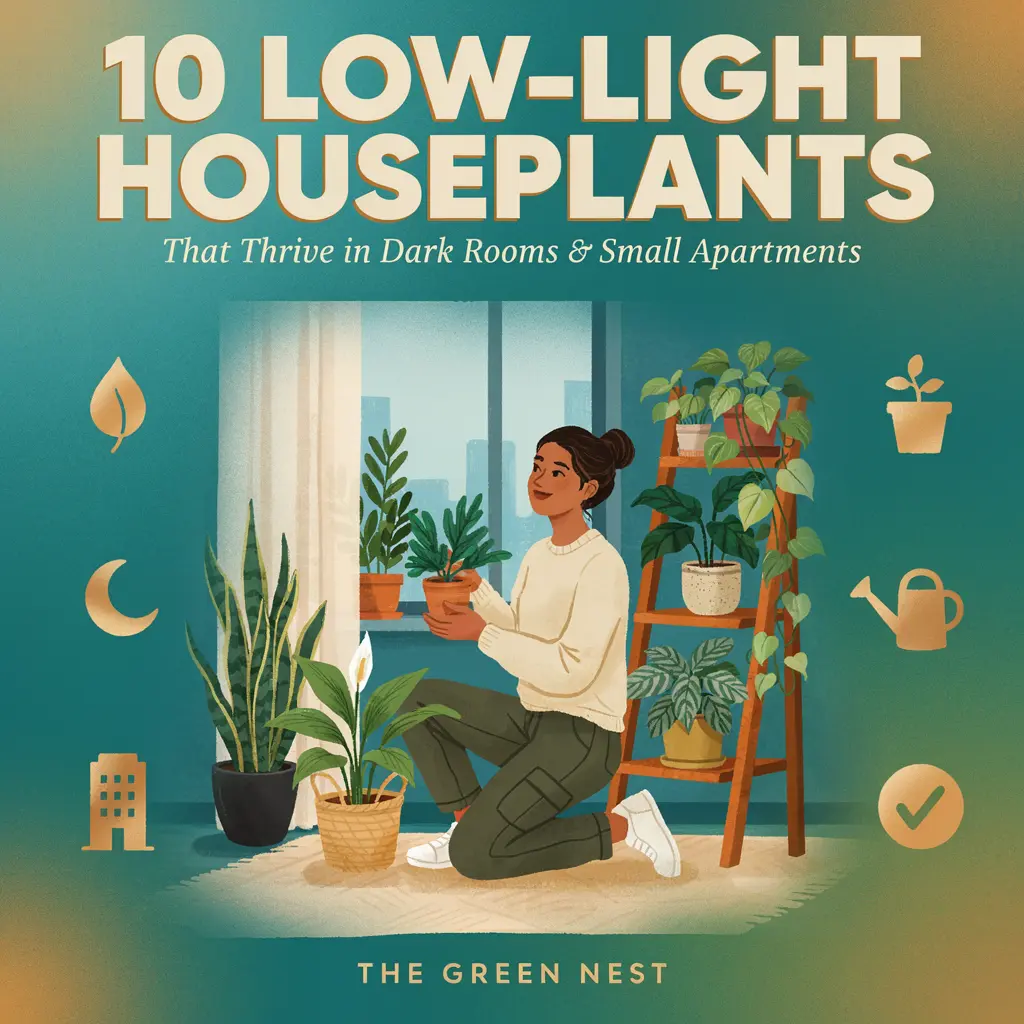
Think you can't keep houseplants because your apartment barely gets any sunlight? You're not alone. One of the biggest misconceptions about indoor gardening is that every plant needs a bright, sun-drenched windowsill to survive. In reality, many of the world's most popular houseplants evolved beneath the dense canopies of tropical forests, where sunlight is naturally filtered and limited. That makes them perfectly suited to dim hallways, cozy bedrooms, small apartments, and offices with little natural light.
Whether you're decorating your first apartment, trying to brighten up a windowless corner, or simply looking for plants that won't demand constant attention, low-light houseplants are an excellent choice. They bring life, color, and a sense of calm into your home while requiring far less maintenance than many people expect. Better yet, several of these plants are remarkably forgiving, making them ideal for beginners or anyone with a busy schedule.
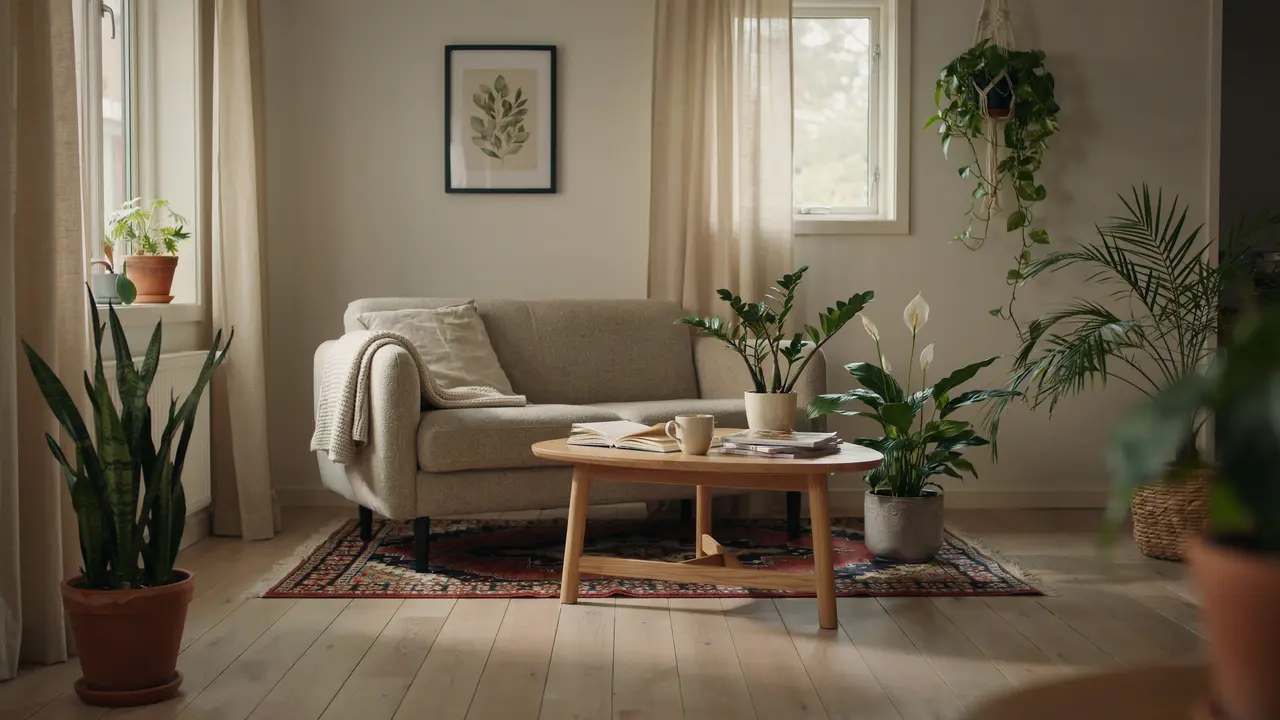
It's important to remember that "low light" doesn't mean "no light." Every plant needs some light to grow, but the species in this guide are exceptionally well adapted to thriving in spaces where direct sunlight is scarce. With the right placement and a simple care routine, they can stay healthy and vibrant for years.
In this guide, you'll discover ten of the best low-light houseplants for dark rooms and small apartments. You'll also learn practical care tips, common mistakes to avoid, and clever ways to style your indoor greenery so even the smallest living space feels fresh, welcoming, and full of life.
What Makes a Plant "Low-Light"?
When people hear the term low-light plant, they often imagine a houseplant that can survive in complete darkness. Unfortunately, that's one of the biggest myths in indoor gardening. While certain plants tolerate far less light than others, every plant still needs some level of light to produce energy through photosynthesis.
Low light generally refers to areas that receive indirect or filtered sunlight rather than bright, direct rays. Think of rooms with north-facing windows, corners several feet away from a window, hallways, bathrooms with frosted windows, or apartments shaded by neighboring buildings. These spaces may not seem ideal for most plants, but they're remarkably similar to the environments where many tropical species naturally grow.
In the wild, countless popular houseplants spend their lives beneath towering rainforest trees. Instead of receiving hours of direct sunshine, they thrive under a canopy where sunlight is scattered through layers of leaves. Over thousands of years, these plants adapted to make the most of limited light, allowing them to flourish indoors where brighter plants would struggle.
That said, low light doesn't mean no light. Windowless rooms or spaces with no natural or artificial light aren't suitable for living plants over the long term. If you want greenery in these areas, you'll usually need a quality LED grow light to provide the energy plants need to stay healthy.
Understanding the difference between low light and no light can save you from one of the most common mistakes new plant owners make. Many people assume a struggling plant needs more water when, in reality, it's simply not getting enough light. Overwatering is often the real culprit, especially because plants growing in dim conditions use moisture more slowly. Allowing the soil to dry appropriately between waterings is one of the easiest ways to keep low-light plants healthy.
Once you understand what low-light conditions actually look like, choosing the right plant becomes much easier. The good news is that there are plenty of beautiful, resilient species that don't just survive in dim spaces, they genuinely thrive there.
1. Snake Plant (Sansevieria)
If there were an award for the toughest houseplant, the Snake Plant would be a serious contender. With its upright, sword-shaped leaves and striking green patterns, this plant combines modern style with incredible resilience. It's one of the few houseplants that can tolerate neglect, adapt to a wide range of indoor conditions, and still look healthy year-round.
One of the Snake Plant's greatest strengths is its ability to grow in low-light environments. While it develops faster in bright, indirect light, it remains perfectly content in dim bedrooms, offices, hallways, and apartment corners where many other plants would struggle. Just remember that slower growth is completely normal when light levels are lower.
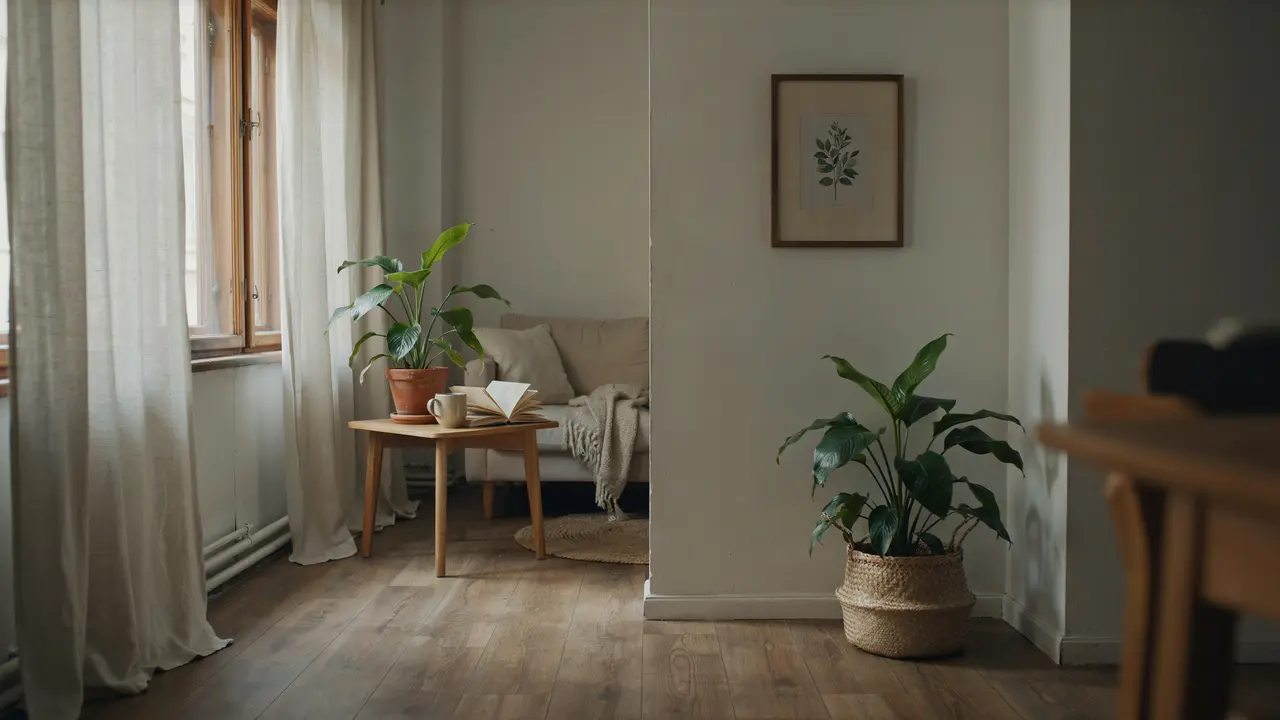
When it comes to watering, less is definitely more. Snake Plants store water in their thick leaves, making them highly drought-tolerant. Allow the soil to dry out completely before watering again. In many homes, this means watering every two to four weeks, though the schedule may vary depending on temperature, humidity, and the season. Overwatering is by far the most common reason Snake Plants fail, often leading to root rot that can quickly damage the plant.
Beyond its durability, the Snake Plant is also admired for its clean architectural appearance. Its upright growth habit makes it ideal for small apartments where floor space is limited, as it fits neatly into corners, beside furniture, or on minimalist plant stands. The bold leaves add height and texture without creating visual clutter.
Another reason this plant remains a favorite is its reputation as one of the easiest indoor plants for beginners. It requires very little pruning, rarely suffers from pests, and doesn't demand frequent feeding. A light application of balanced houseplant fertilizer once or twice during the growing season is usually more than enough.
Quick Care Tips
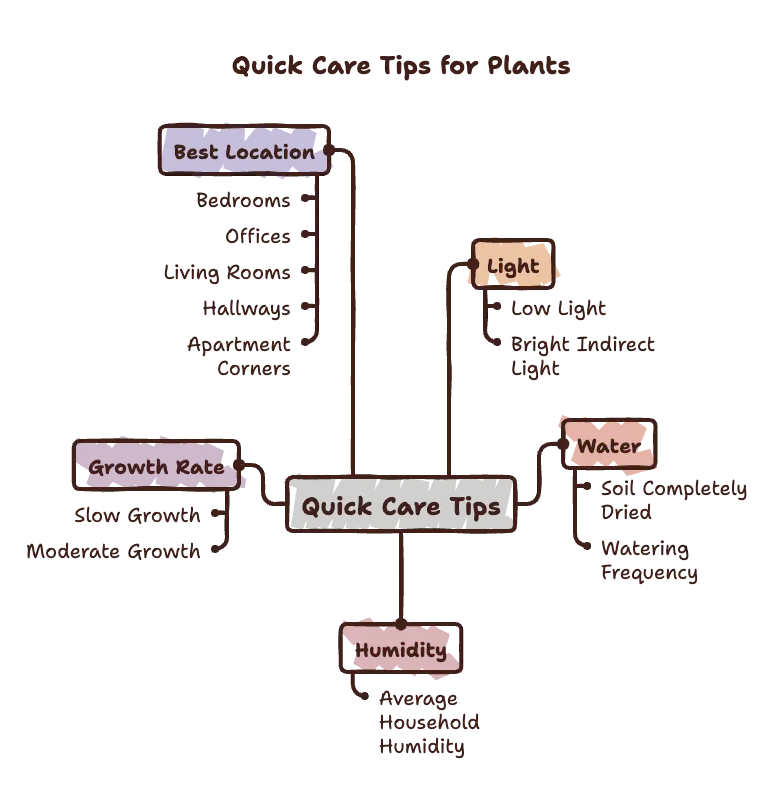
- Light: Low to bright indirect light.
- Water: Only after the soil has completely dried out.
- Humidity: Average household humidity is sufficient.
- Growth Rate: Slow in low light, moderate in brighter conditions.
- Best Location: Bedrooms, offices, living rooms, hallways, and apartment corners.
For anyone starting an indoor plant collection, it's hard to find a more forgiving choice. The Snake Plant proves that you don't need perfect lighting, or a green thumb, to enjoy healthy, beautiful greenery indoors.
2. ZZ Plant (Zamioculcas zamiifolia)
If you're searching for a houseplant that's almost impossible to kill, the ZZ Plant deserves a place at the top of your list. Known for its glossy, deep-green leaves and naturally elegant shape, this tropical favorite has earned a reputation as one of the most dependable indoor plants for homes with limited sunlight.
The ZZ Plant thrives in conditions that would challenge many other houseplants. It performs exceptionally well in low-light rooms, shaded apartments, and offices with fluorescent lighting, making it an ideal option for spaces where natural sunlight is scarce. While it appreciates bright, indirect light, it doesn't rely on it to remain healthy and attractive.
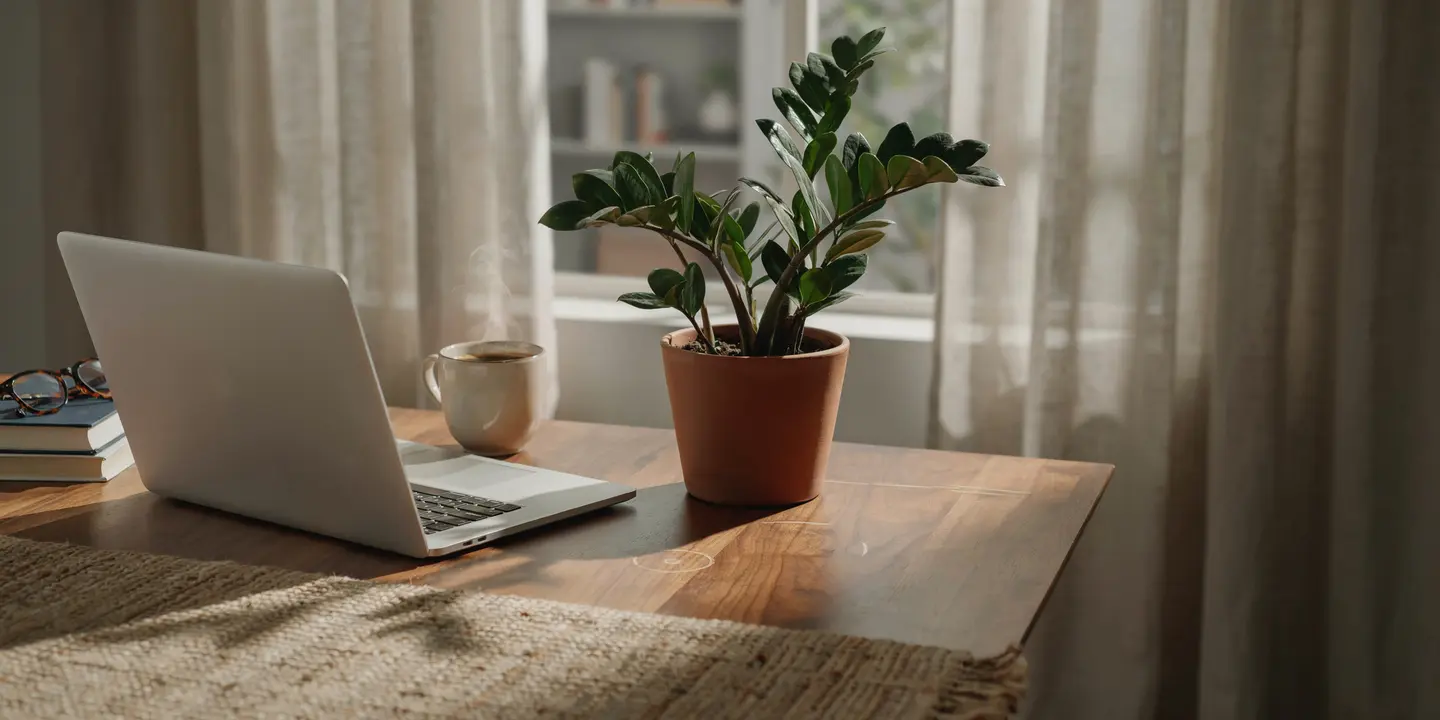
One of the secrets behind the ZZ Plant's resilience is its underground rhizomes, thick, potato-like structures that store water for extended periods. This built-in water reserve allows the plant to tolerate weeks of neglect without showing signs of stress. For busy professionals, frequent travelers, or anyone prone to forgetting watering day, it's one of the most forgiving plants you can own.
Watering is refreshingly simple. Allow the potting mix to dry out completely before watering again. In many indoor environments, this means watering every three to four weeks, and sometimes even less during the cooler months. Because the plant grows more slowly in low light, it uses water gradually, making overwatering the biggest threat to its health. Yellowing leaves or mushy stems are often signs that the roots are staying too wet.
The ZZ Plant's polished appearance also makes it a favorite for modern interiors. Its upright stems and waxy leaves complement minimalist, contemporary, and Scandinavian-inspired décor without requiring constant maintenance. Whether placed beside a sofa, in an entryway, or on a desk, it instantly adds a touch of sophistication to the room.
Another advantage is its low-maintenance nature. It rarely needs pruning, tolerates average household humidity, and only requires occasional feeding during the growing season. Wiping the leaves with a soft, damp cloth every few weeks helps remove dust and keeps their natural shine looking its best.
Quick Care Tips
- Light: Low to bright indirect light.
- Water: Allow the soil to dry completely before watering.
- Humidity: Average indoor humidity is ideal.
- Growth Rate: Slow to moderate, especially in lower light.
- Best Location: Living rooms, offices, bedrooms, hallways, and shaded apartment corners.
For anyone who wants lush greenery without a demanding care routine, the ZZ Plant is hard to beat. Its combination of beauty, toughness, and adaptability makes it one of the best low-light houseplants for beginners and experienced plant lovers alike.
3. Pothos
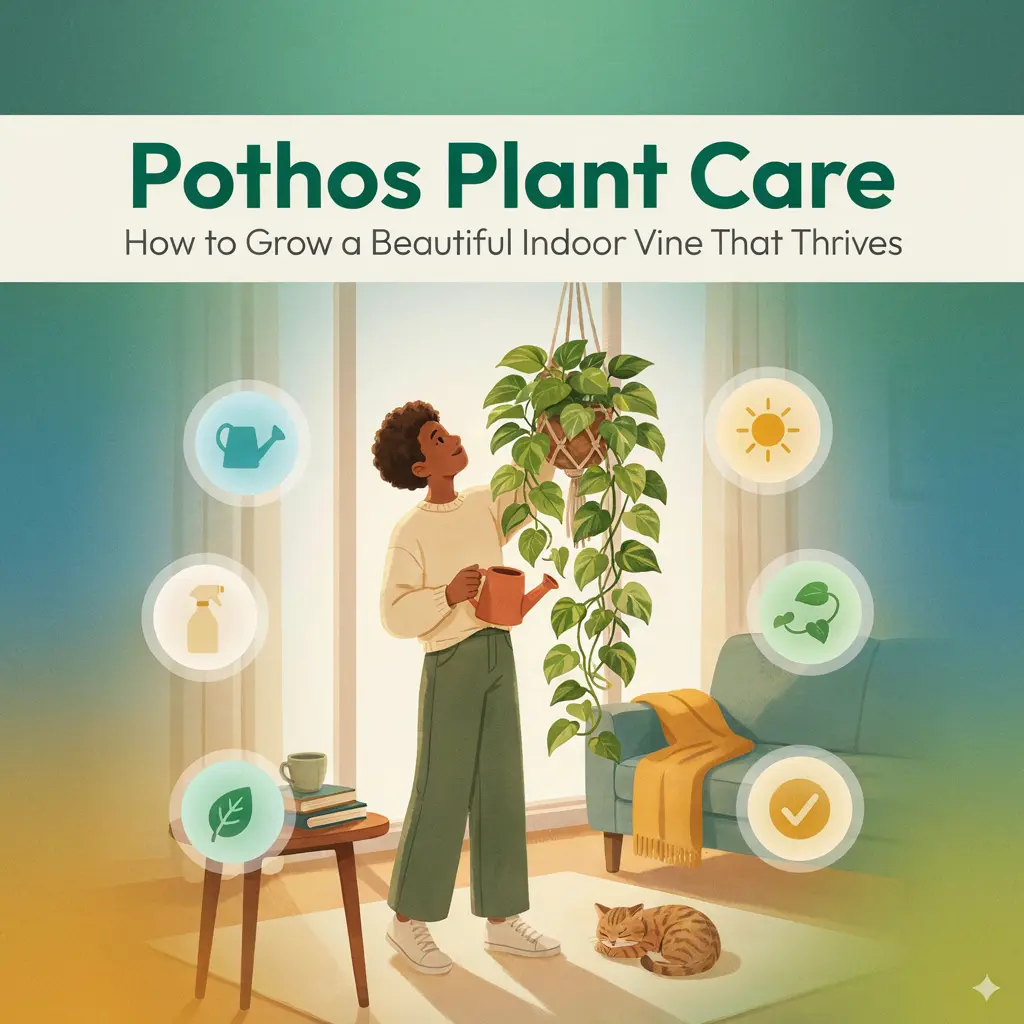
If you want a houseplant that grows quickly, looks stunning, and asks for very little in return, it's hard to beat the Pothos. Often called the "devil's ivy" because of its incredible ability to survive in less-than-perfect conditions, this trailing vine has become one of the most popular indoor plants in the world. Its cascading vines and heart-shaped leaves can instantly soften a room, making even the smallest apartment feel more vibrant and inviting.
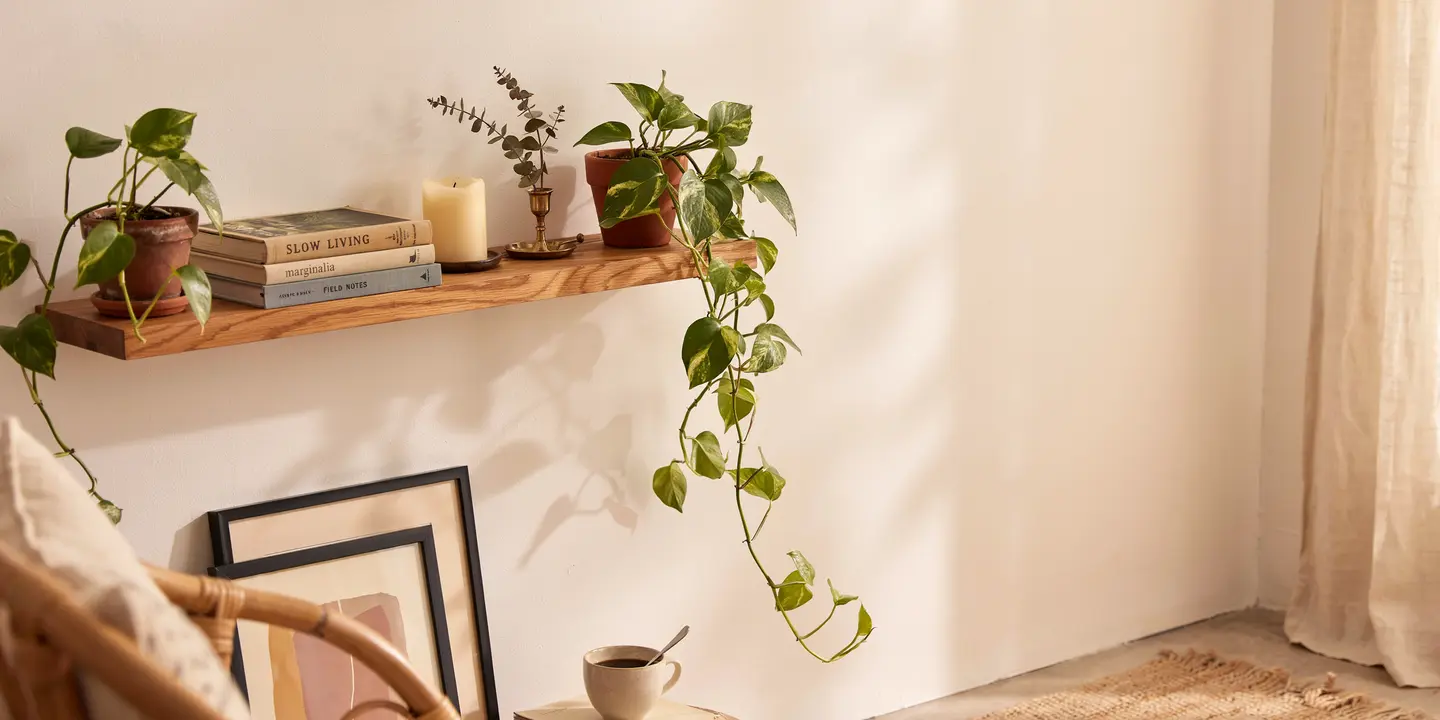
One of the reasons Pothos is so widely loved is its adaptability. It tolerates low-light conditions remarkably well, making it perfect for apartments, offices, bedrooms, and hallways where direct sunlight is limited. While the plant grows faster and develops more vibrant leaf patterns in bright, indirect light, it continues to thrive in dimmer spaces with minimal fuss. Keep in mind that variegated varieties may lose some of their bold coloring in lower light, gradually producing greener leaves as they adapt.
There are several beautiful Pothos varieties to choose from, each offering its own unique appeal. Golden Pothos features rich green leaves splashed with yellow, Marble Queen displays striking white and green marbling, Neon Pothos stands out with bright chartreuse foliage, and Jade Pothos offers deep, solid green leaves that perform particularly well in low-light environments.
Caring for a Pothos couldn't be much easier. Water the plant when the top one to two inches of soil feel dry to the touch. It's generally better to underwater than overwater, as soggy soil can lead to root rot. If the leaves begin to droop slightly, the plant is usually letting you know it's ready for a drink. Once watered, it often perks back up within hours.
One of the biggest advantages of growing Pothos is how versatile it is as a decorative plant. Let the vines spill gracefully from hanging baskets, train them across floating shelves, wrap them around moss poles, or allow them to trail down bookcases and cabinets. In small apartments where floor space is limited, vertical growth adds lush greenery without creating clutter.
Regular pruning encourages the plant to become fuller and bushier instead of producing long, sparse vines. Better yet, every cutting you trim can be rooted in water to create new plants. Within a few weeks, you'll have healthy roots ready for planting, making Pothos one of the easiest houseplants to propagate and share with friends or expand throughout your home.
Quick Care Tips

- Light: Low to bright indirect light.
- Water: Water when the top 1–2 inches of soil are dry.
- Humidity: Prefers moderate humidity but adapts well to average indoor conditions.
- Growth Rate: Fast, even in lower light, though slower than in brighter conditions.
- Best Location: Hanging baskets, bookshelves, offices, bedrooms, kitchens, and apartment living rooms.
Beautiful, forgiving, and endlessly versatile, the Pothos is proof that you don't need a sun-filled home to enjoy thriving indoor plants. With just a little care, its trailing vines can transform even the darkest corner into a lush, living focal point.
4. Cast Iron Plant
True to its name, the Cast Iron Plant is one of the toughest houseplants you can grow. If your home has dim lighting, inconsistent watering habits, or you're simply new to indoor gardening, this plant is built to forgive mistakes. Its broad, deep-green leaves create a rich, elegant display while requiring surprisingly little attention, making it a favorite for anyone who wants beautiful greenery without the stress of constant care.
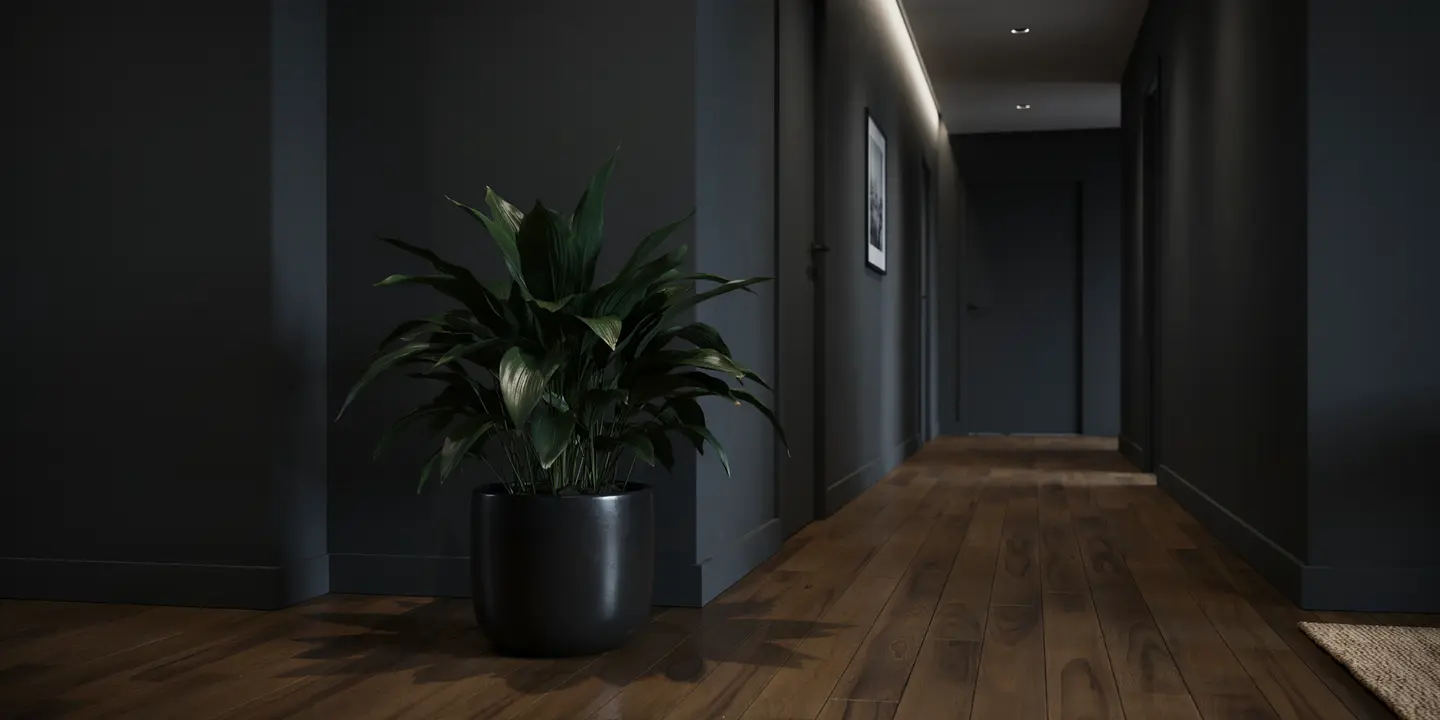
Native to the forest floors of Japan and Taiwan, the Cast Iron Plant naturally grows beneath dense tree canopies where sunlight rarely reaches the ground. Because of this, it has evolved to thrive in low-light conditions that would leave many other houseplants struggling. Dark hallways, shaded living rooms, bedrooms, and office spaces are all excellent locations for this resilient plant.
Unlike fast-growing vines, the Cast Iron Plant is known for its slow and steady growth. You won't see dramatic changes from week to week, but that's part of its appeal. Once established, it maintains its lush appearance year after year with very little maintenance. Its sturdy leaves remain attractive even in less-than-ideal indoor environments, making it an excellent long-term addition to your home.
Watering is straightforward but should be done carefully. Allow the top few inches of soil to dry before watering thoroughly. The plant is far more tolerant of dry soil than constantly wet roots, so it's always better to wait an extra day or two than to water too frequently. During winter, when growth naturally slows, watering can be reduced even further.
One of the standout features of the Cast Iron Plant is its ability to tolerate conditions that many other houseplants dislike. It adapts well to fluctuating temperatures, average household humidity, and occasional neglect. While it appreciates an occasional feeding with a balanced houseplant fertilizer during spring and summer, it can remain healthy for long periods with minimal fertilization.
Its clean, upright foliage also makes it incredibly versatile from a design perspective. A single mature plant in a decorative pot can fill an empty corner, frame an entryway, or add a touch of greenery beside a sofa without overwhelming a small apartment. Its timeless appearance works beautifully with modern, minimalist, traditional, and even industrial interior styles.
Quick Care Tips
- Light: Low to medium indirect light.
- Water: Water when the top 2–3 inches of soil are dry.
- Humidity: Average indoor humidity is perfectly suitable.
- Growth Rate: Slow.
- Best Location: Hallways, bedrooms, offices, shaded living rooms, and apartment corners.
If you're looking for a plant that truly lives up to its reputation, the Cast Iron Plant is an outstanding choice. With its remarkable durability and elegant foliage, it proves that some of the best houseplants are also the easiest to care for.
5. Peace Lily
The Peace Lily is one of the few low-light houseplants that rewards you with both lush green foliage and elegant white flowers. Its glossy, dark-green leaves create a rich tropical look, while its graceful white blooms add a touch of sophistication that few indoor plants can match. If you're looking for a plant that combines beauty with easy care, the Peace Lily is an excellent choice for dark rooms and small apartments.
Unlike many flowering plants that demand hours of direct sunlight, the Peace Lily naturally grows beneath rainforest canopies where light is filtered through layers of trees. This makes it exceptionally well-suited to indoor environments with low to moderate light. It will continue to grow happily in shaded bedrooms, offices, bathrooms, and living rooms, although brighter indirect light typically encourages more frequent blooming.
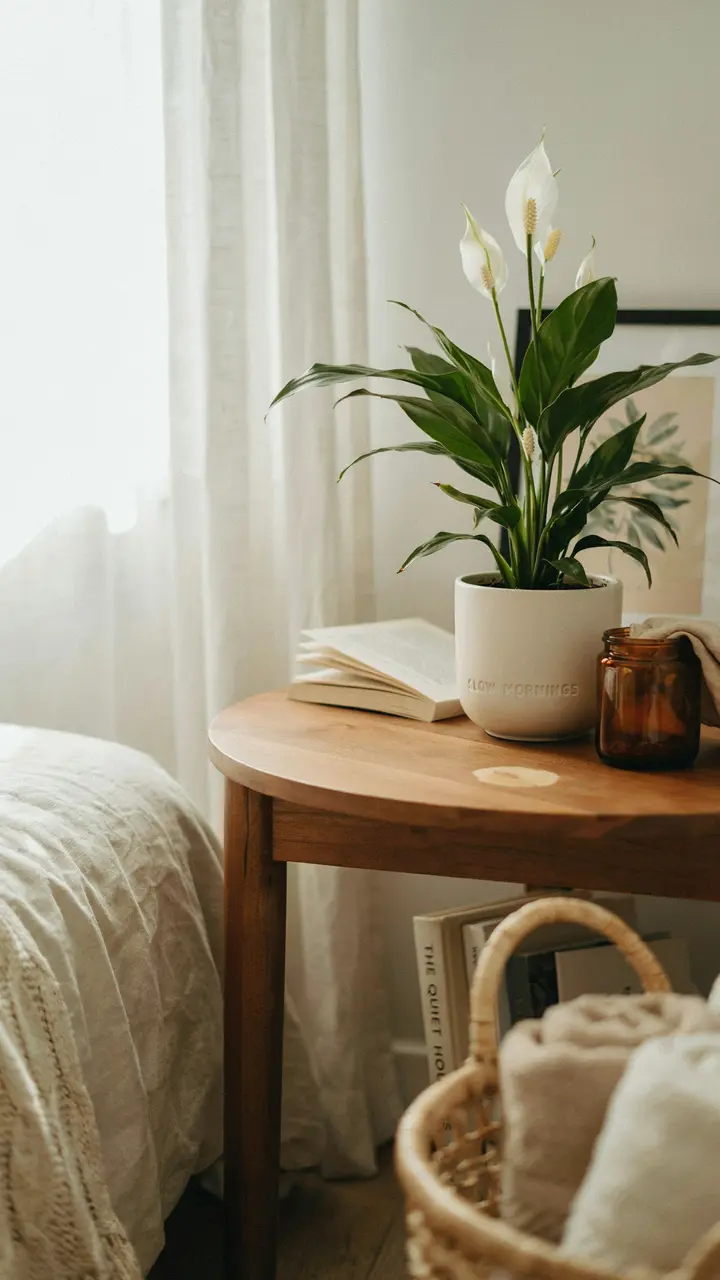
One feature that makes the Peace Lily especially beginner-friendly is its ability to communicate when it needs water. When the soil becomes too dry, the leaves noticeably droop, almost as if the plant is asking for a drink. After a thorough watering, it often stands upright again within a few hours. While this makes watering easier to judge, it's still important not to let the plant repeatedly wilt, as frequent stress can weaken it over time.
The ideal watering routine is to keep the soil lightly moist without allowing it to become soggy. Check the top inch of soil regularly and water when it begins to feel dry. Good drainage is essential because standing water around the roots can quickly lead to root rot. During the cooler months, you'll usually need to water less often as the plant's growth naturally slows.
Because the Peace Lily comes from humid tropical regions, it appreciates higher humidity than some other low-light plants. Fortunately, average indoor humidity is often enough for healthy growth, but occasional misting or placing the pot near other plants can help if your home is particularly dry. Bathrooms with natural light are often excellent locations because they tend to provide the humidity this plant enjoys.
If your goal is to encourage more flowers, place the Peace Lily where it receives bright, indirect light for part of the day. While it survives in lower light, additional indirect sunlight provides the energy needed to produce its signature white blooms. A balanced houseplant fertilizer applied every six to eight weeks during spring and summer can also support healthy flowering.
Beyond its attractive appearance, the Peace Lily brings a calming presence to any room. Its arching leaves soften modern interiors, making it an ideal centerpiece for coffee tables, shelves, bedroom dressers, or office desks where space is limited but style is important.
Quick Care Tips
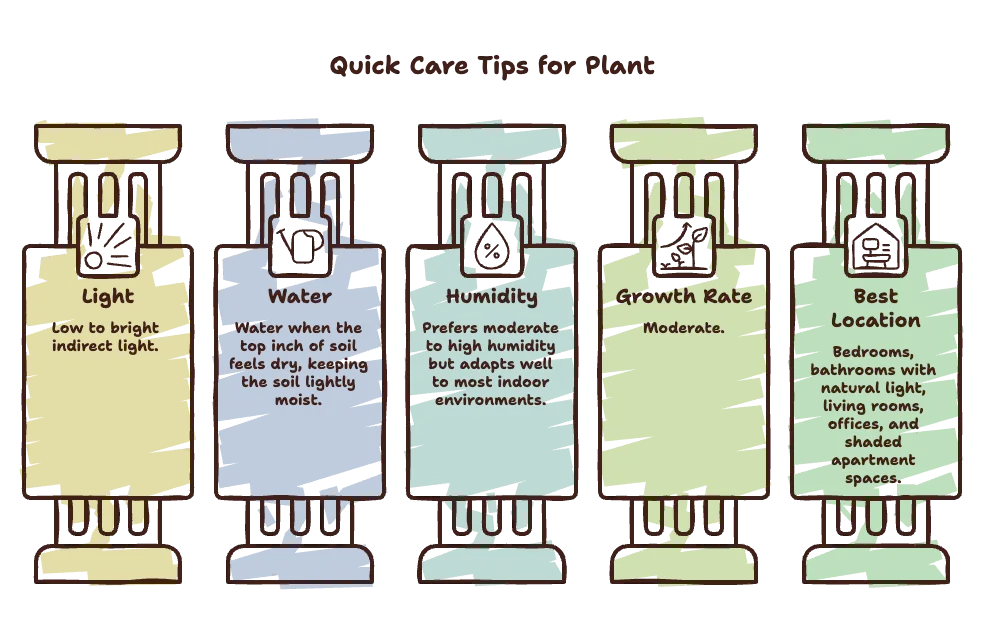
- Light: Low to bright indirect light.
- Water: Water when the top inch of soil feels dry, keeping the soil lightly moist.
- Humidity: Prefers moderate to high humidity but adapts well to most indoor environments.
- Growth Rate: Moderate.
- Best Location: Bedrooms, bathrooms with natural light, living rooms, offices, and shaded apartment spaces.
Elegant, forgiving, and surprisingly easy to care for, the Peace Lily is proof that low-light houseplants don't have to sacrifice beauty. With just a little attention, it can brighten even the darkest corner with rich green foliage and stunning white blooms.
6. Chinese Evergreen (Aglaonema)
If you're looking for a houseplant that combines striking foliage with effortless care, the Chinese Evergreen is hard to overlook. Famous for its beautifully patterned leaves, this tropical plant brings vibrant color and texture to indoor spaces while thriving in conditions where many other plants struggle. Whether your home features modern décor or a cozy apartment aesthetic, the Chinese Evergreen fits in seamlessly and instantly elevates the room.
Native to the tropical forests of Southeast Asia, Chinese Evergreens naturally grow beneath dense tree canopies where sunlight is soft and filtered. This makes them exceptionally well adapted to low-light environments. They perform beautifully in bedrooms, offices, hallways, and living rooms with limited natural light, although brighter indirect light will often enhance the vivid colors and patterns on their leaves.
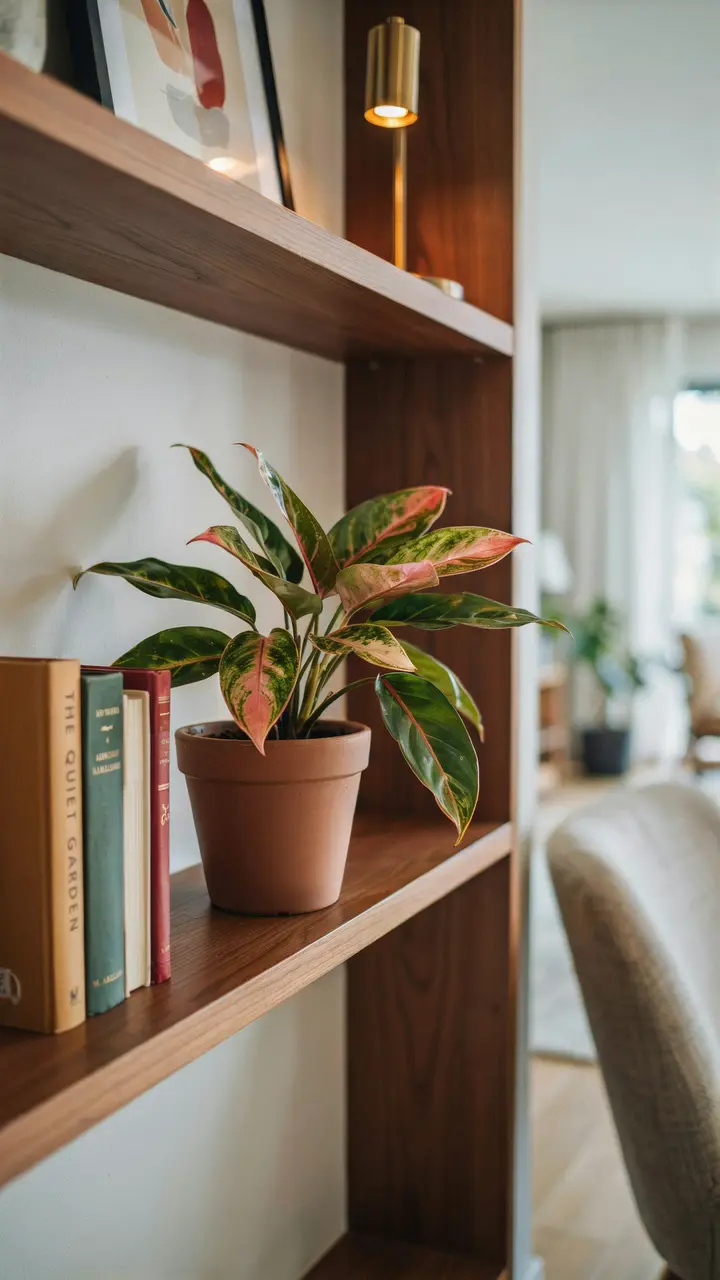
One of the reasons this plant has become a favorite among beginners is its forgiving nature. It doesn't require constant attention and can tolerate occasional missed waterings far better than many tropical houseplants. The key is to water when the top one to two inches of soil feel dry, ensuring that excess water drains freely from the pot. Keeping the soil consistently soggy can lead to root problems, so moderation is essential.
Chinese Evergreens come in an impressive variety of colors and patterns. Traditional varieties feature rich green foliage with silver markings, while newer cultivars display shades of pink, red, cream, and lime green. These colorful options make it easy to add visual interest to darker rooms where flowering plants may struggle to make an impact.
Although the plant is low maintenance, a little routine care goes a long way. Wipe the leaves occasionally with a damp cloth to remove dust, allowing them to absorb light more efficiently and maintain their glossy appearance. During the growing season, feeding with a balanced liquid fertilizer every couple of months will encourage healthy foliage and steady growth without overwhelming the plant.
Like many indoor plants, Chinese Evergreens can occasionally attract pests such as spider mites or mealybugs, especially if the air becomes excessively dry. Regularly inspecting the undersides of the leaves and keeping the foliage clean can help prevent small issues from becoming larger infestations. Fortunately, healthy plants rarely experience serious pest problems.
With its compact growth habit, the Chinese Evergreen is an excellent choice for apartments where space is limited. It looks equally at home on desks, side tables, bookshelves, plant stands, or tucked neatly into an empty corner that needs a splash of life.
Quick Care Tips
- Light: Low to bright indirect light.
- Water: Water when the top 1–2 inches of soil are dry.
- Humidity: Prefers moderate humidity but adapts well to average indoor conditions.
- Growth Rate: Slow to moderate.
- Best Location: Offices, bedrooms, living rooms, entryways, and apartment shelves.
Beautiful, adaptable, and remarkably easy to care for, the Chinese Evergreen proves that low-light houseplants can be every bit as colorful as they are resilient. It's an ideal choice for anyone who wants eye-catching foliage without the demands of a high-maintenance plant.
7. Heartleaf Philodendron
With its graceful trailing vines and glossy, heart-shaped leaves, the Heartleaf Philodendron is one of the most elegant houseplants you can add to a low-light home. It has remained a favorite among indoor gardeners for decades thanks to its beautiful appearance, rapid growth, and forgiving nature. Whether displayed in a hanging basket or cascading from a bookshelf, this plant effortlessly adds warmth and greenery to almost any room.
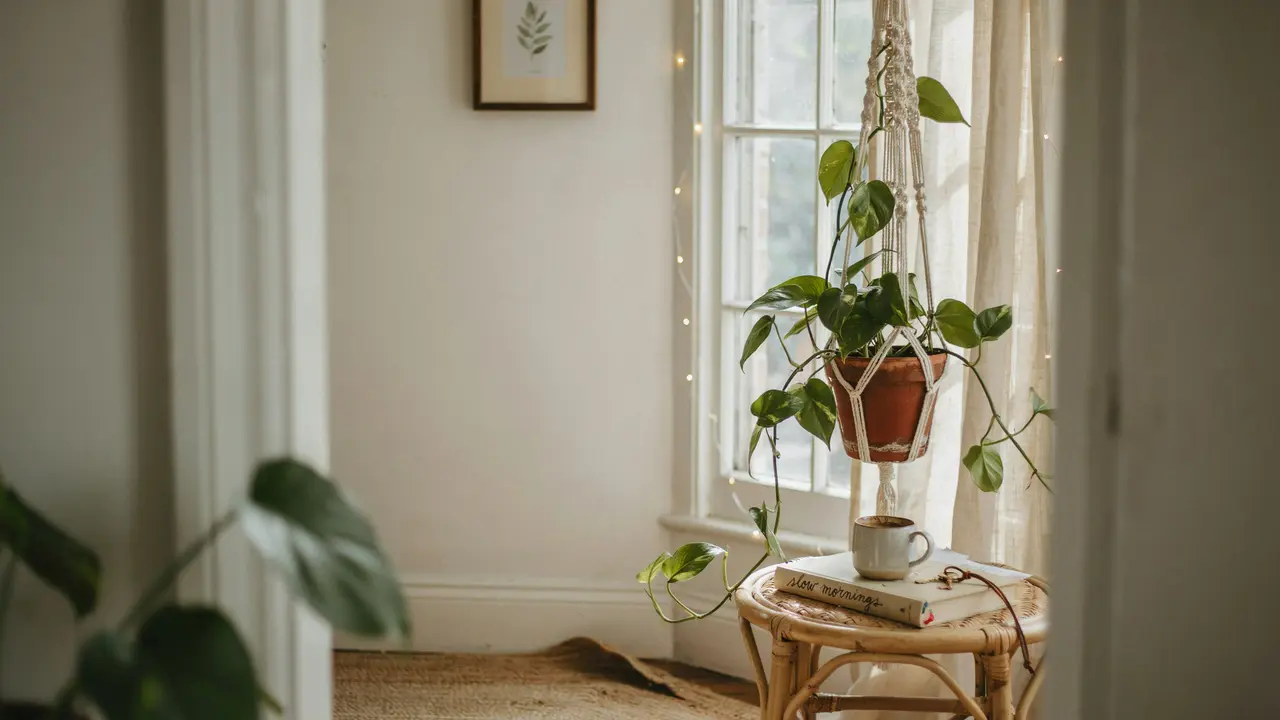
Originally found climbing trees in the tropical rainforests of Central and South America, the Heartleaf Philodendron has evolved to thrive beneath thick forest canopies where direct sunlight rarely reaches the ground. Because of this natural adaptation, it performs exceptionally well in low-light environments. Although it grows faster in bright, indirect light, it remains healthy and attractive in apartments, offices, bedrooms, and hallways with limited natural sunlight.
One of the plant's greatest strengths is its easy-going care routine. Water it when the top inch or two of soil feels dry, then allow any excess water to drain freely from the pot. Like many tropical houseplants, it prefers slightly dry soil over consistently wet roots. Overwatering is one of the few ways to cause problems, so it's best to let the soil dry a little between waterings.
The Heartleaf Philodendron also appreciates moderate humidity, but it adapts surprisingly well to average indoor conditions. If your home is particularly dry, especially during winter, occasional misting or placing the plant near a humidifier can encourage even healthier growth and keep the leaves looking vibrant.
Because this plant grows quickly, occasional pruning helps maintain a fuller, bushier appearance. Simply trim long vines just above a leaf node to encourage branching. Even better, those cuttings can be rooted in water within a few weeks, allowing you to grow new plants for other rooms or share them with friends and family.
One reason interior designers love the Heartleaf Philodendron is its incredible versatility. Let its vines spill from floating shelves, weave them around a moss pole for vertical growth, or display the plant in a hanging basket where its cascading foliage becomes a natural focal point. In smaller apartments where every inch of space matters, growing upward or downward instead of outward is a smart way to introduce lush greenery without sacrificing valuable floor space.
With its soft, flowing vines and rich green foliage, the Heartleaf Philodendron creates an inviting atmosphere that complements virtually every decorating style, from minimalist apartments to cozy, plant-filled homes.
Quick Care Tips
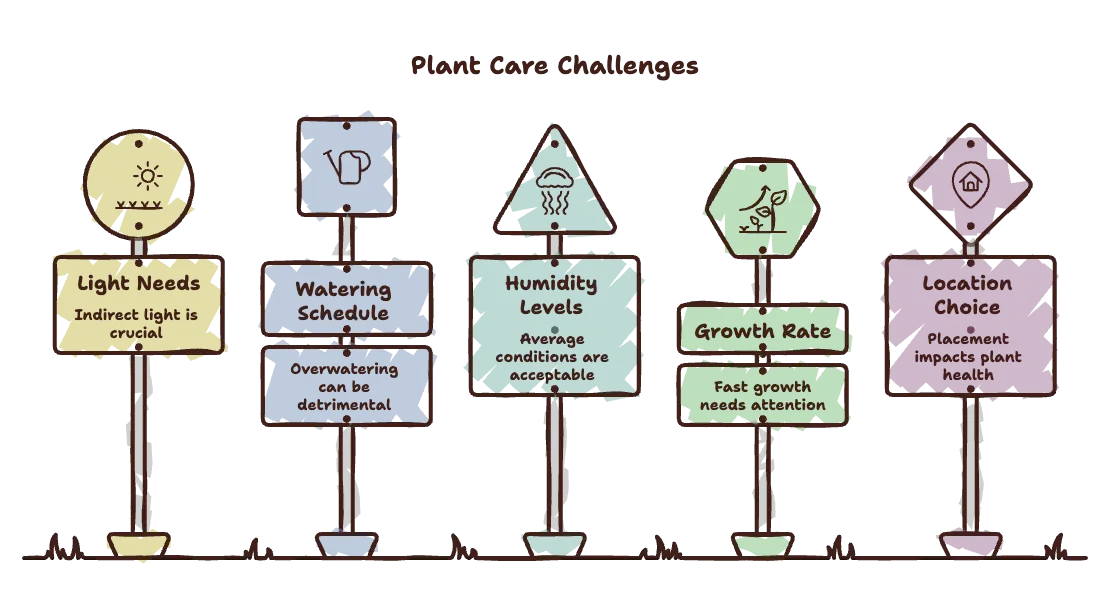
- Light: Low to bright indirect light.
- Water: Water when the top 1–2 inches of soil become dry.
- Humidity: Prefers moderate humidity but tolerates average household conditions.
- Growth Rate: Fast, especially during spring and summer.
- Best Location: Hanging baskets, floating shelves, bookshelves, bedrooms, offices, and living rooms.
Easy to grow, easy to propagate, and endlessly beautiful, the Heartleaf Philodendron is a perfect example of how low-light houseplants can transform even the smallest apartment into a lush, relaxing retreat.
8. Parlor Palm
Few houseplants bring the same timeless elegance as the Parlor Palm. With its delicate, feather-like fronds and graceful arching stems, this classic indoor plant has been decorating homes for well over a century. Despite its refined appearance, the Parlor Palm is surprisingly easy to care for, making it an excellent choice for beginners and experienced plant owners alike.
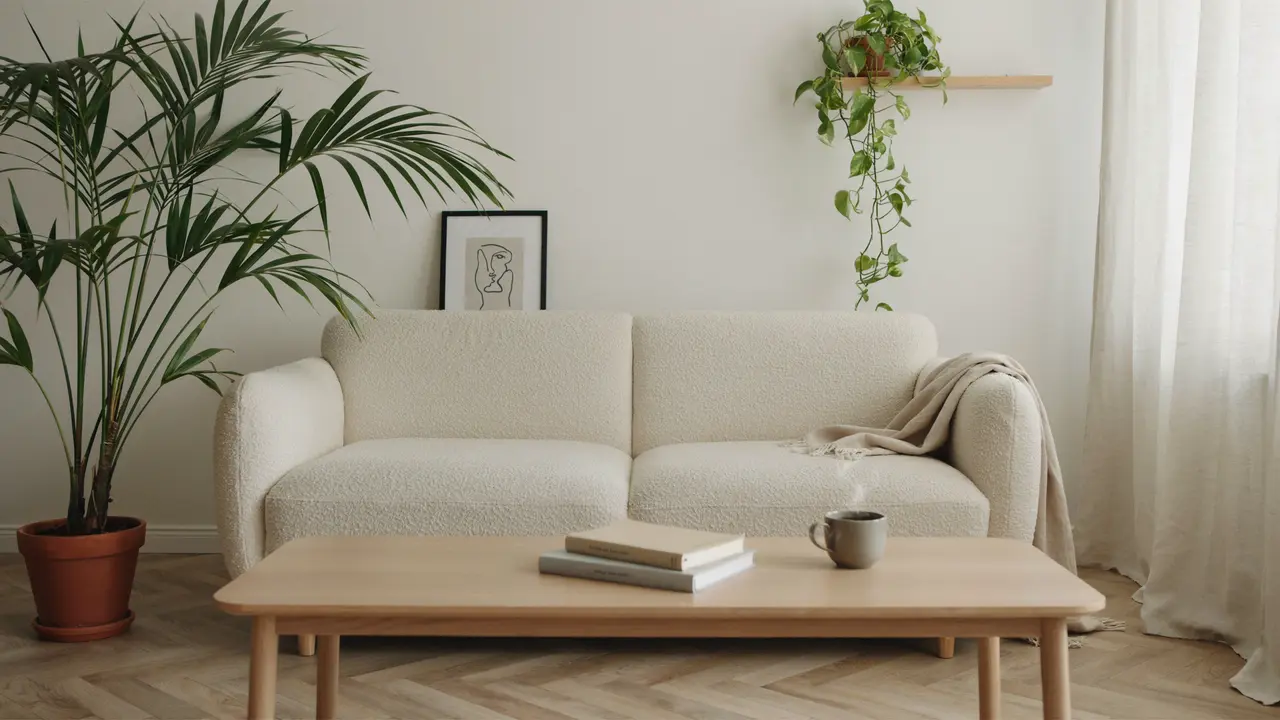
Native to the rainforests of Central America, the Parlor Palm naturally grows beneath towering trees where sunlight is filtered through thick layers of foliage. This environment has made it exceptionally well adapted to low-light conditions, allowing it to thrive in apartments, offices, bedrooms, and shaded living spaces where direct sunlight is limited.
One of the biggest advantages of the Parlor Palm is its compact growth habit. Unlike larger palm species that quickly outgrow indoor spaces, this plant grows slowly and remains manageable for many years. That makes it perfect for small apartments where every square foot matters. A single Parlor Palm can soften an empty corner, brighten an entryway, or add a tropical feel beside a sofa without overwhelming the room.
Watering is simple but should be done with care. Allow the top inch or two of soil to dry before watering thoroughly. The plant appreciates evenly moist soil during the growing season but dislikes sitting in water, so always use a pot with proper drainage. During winter, watering can usually be reduced as growth naturally slows.
Although the Parlor Palm tolerates average household humidity, it performs even better when humidity levels are slightly higher. Occasional misting or placing the plant near a humidifier can help keep the foliage lush and healthy, especially in homes where heating or air conditioning dries out the air. Regularly wiping dust from the fronds also helps the plant absorb more light and maintain its vibrant appearance.
Its soft, airy foliage makes the Parlor Palm one of the most versatile decorative plants for indoor spaces. It pairs beautifully with minimalist, Scandinavian, bohemian, and modern interiors. Position it in a woven basket for a relaxed natural look, place it in a sleek ceramic planter for a contemporary feel, or use it as a statement piece in a decorative corner to create an instant sense of tranquility.
Unlike many tropical plants, the Parlor Palm requires very little feeding. A balanced houseplant fertilizer applied once or twice during the growing season is typically enough to support healthy growth. Since it grows slowly, patience is rewarded with a long-lasting, elegant plant that continues to improve with age.
Quick Care Tips
- Light: Low to bright indirect light.
- Water: Water when the top 1–2 inches of soil become dry.
- Humidity: Prefers moderate humidity but adapts well to average indoor conditions.
- Growth Rate: Slow.
- Best Location: Living rooms, bedrooms, offices, apartment corners, and entryways.
For anyone hoping to create a peaceful, tropical atmosphere without needing bright sunlight, the Parlor Palm is an outstanding choice. Its graceful foliage, low-maintenance nature, and ability to thrive in dim conditions have made it one of the world's most beloved indoor plants for generations.
9. Spider Plant
The Spider Plant is one of those rare houseplants that seems to do everything well. It's attractive, incredibly easy to care for, adapts to a wide range of indoor conditions, and produces baby plants that you can grow into an entire collection. For beginners, busy homeowners, or anyone living in a small apartment, it's one of the most rewarding low-light plants you can own.
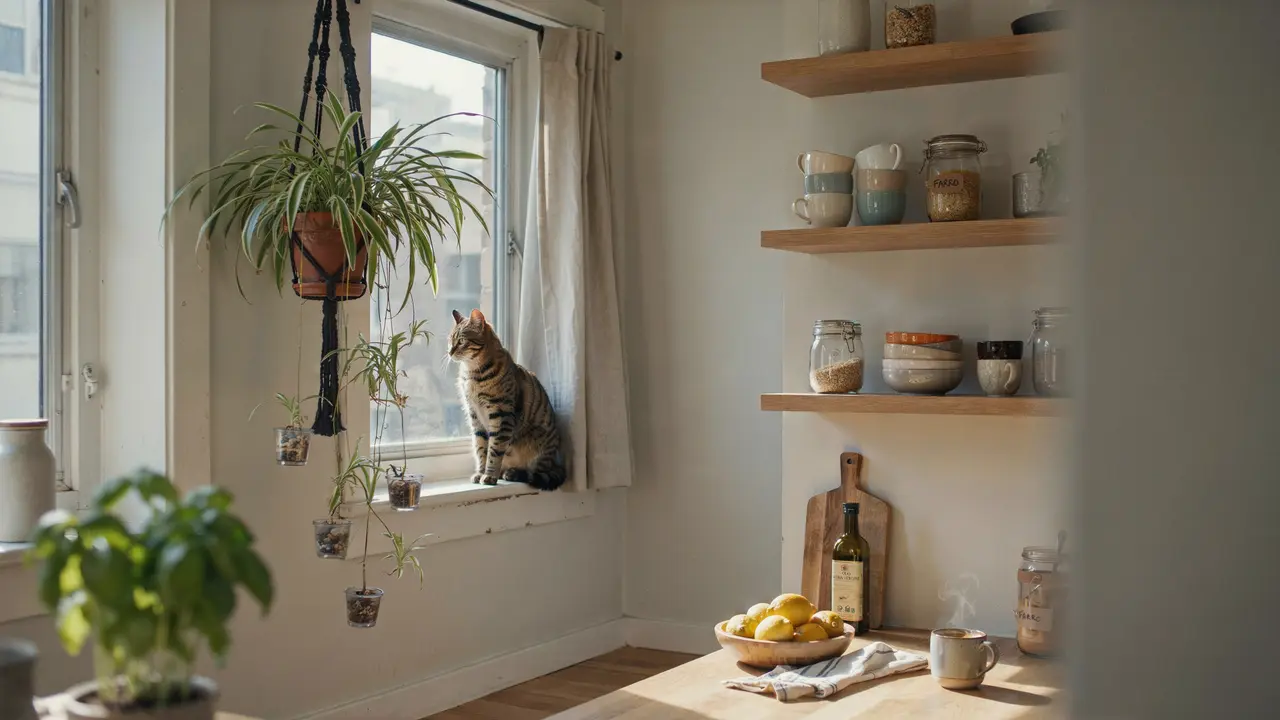
Recognizable by its long, arching leaves that are often striped with green and creamy white, the Spider Plant brings a fresh, lively feel to any room. As it matures, it sends out long stems that produce tiny plantlets, commonly called "spiderettes." These dangling baby plants give mature specimens a cascading appearance that looks especially beautiful in hanging baskets or on elevated shelves.
Spider Plants tolerate low-light environments surprisingly well, although they prefer bright, indirect light when available. In dimmer rooms, growth may slow slightly and variegated varieties may develop less pronounced striping, but the plant generally remains healthy and continues producing new foliage with minimal effort.
Watering is simple and forgiving. Allow the top inch or two of soil to dry before watering thoroughly. Spider Plants dislike constantly wet soil, so good drainage is essential. They're also relatively drought tolerant, meaning they'll usually recover quickly if you occasionally forget to water. Brown leaf tips can sometimes appear if the water contains high levels of fluoride or chlorine, so using filtered or rainwater can help keep the foliage looking its best.
One of the Spider Plant's greatest advantages is how easy it is to propagate. Once the baby spiderettes develop small roots, they can be placed directly into moist soil or rooted in water before planting. Within weeks, you'll have entirely new plants at virtually no cost. This makes the Spider Plant an excellent option for expanding your indoor garden or sharing with family and friends.
Its compact yet graceful growth habit also makes it ideal for decorating smaller living spaces. Place it on floating shelves, hang it near a window, display it on office desks, or let its arching leaves spill elegantly from decorative pots. Its cheerful appearance blends effortlessly with modern, farmhouse, minimalist, and bohemian interiors.
Beyond its ornamental appeal, the Spider Plant has long been appreciated for its ability to contribute to a fresher indoor environment. While no houseplant can replace proper ventilation, having healthy greenery throughout your home can make indoor spaces feel calmer, more inviting, and connected to nature.
Quick Care Tips
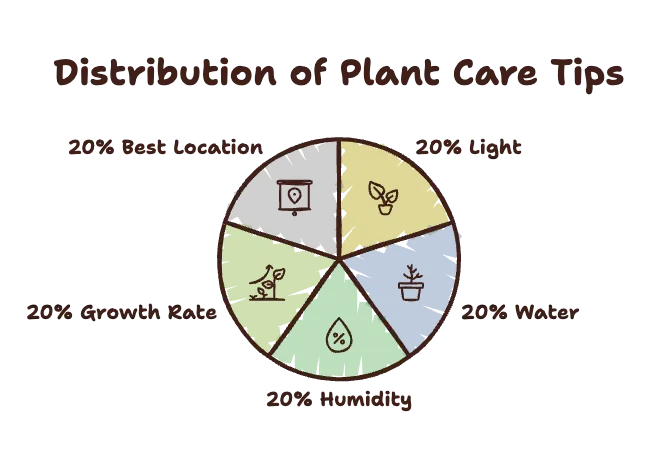
- Light: Low to bright indirect light.
- Water: Water when the top 1–2 inches of soil become dry.
- Humidity: Average indoor humidity is ideal.
- Growth Rate: Moderate to fast.
- Best Location: Hanging baskets, bookshelves, offices, kitchens, bedrooms, and apartment living rooms.
Easy to grow, fun to propagate, and endlessly adaptable, the Spider Plant has earned its place as one of the best low-light houseplants for homes of every size. With minimal care, it rewards you with lush foliage and an endless supply of new plants to enjoy.
10. Lucky Bamboo
Despite its name, Lucky Bamboo isn't actually bamboo at all. It's a member of the Dracaena family, yet its slender green stalks and simple, elegant appearance have made it one of the most recognizable indoor plants in the world. Often associated with good fortune, prosperity, and positive energy, Lucky Bamboo is a favorite for homes, apartments, and offices where space and natural light are limited.
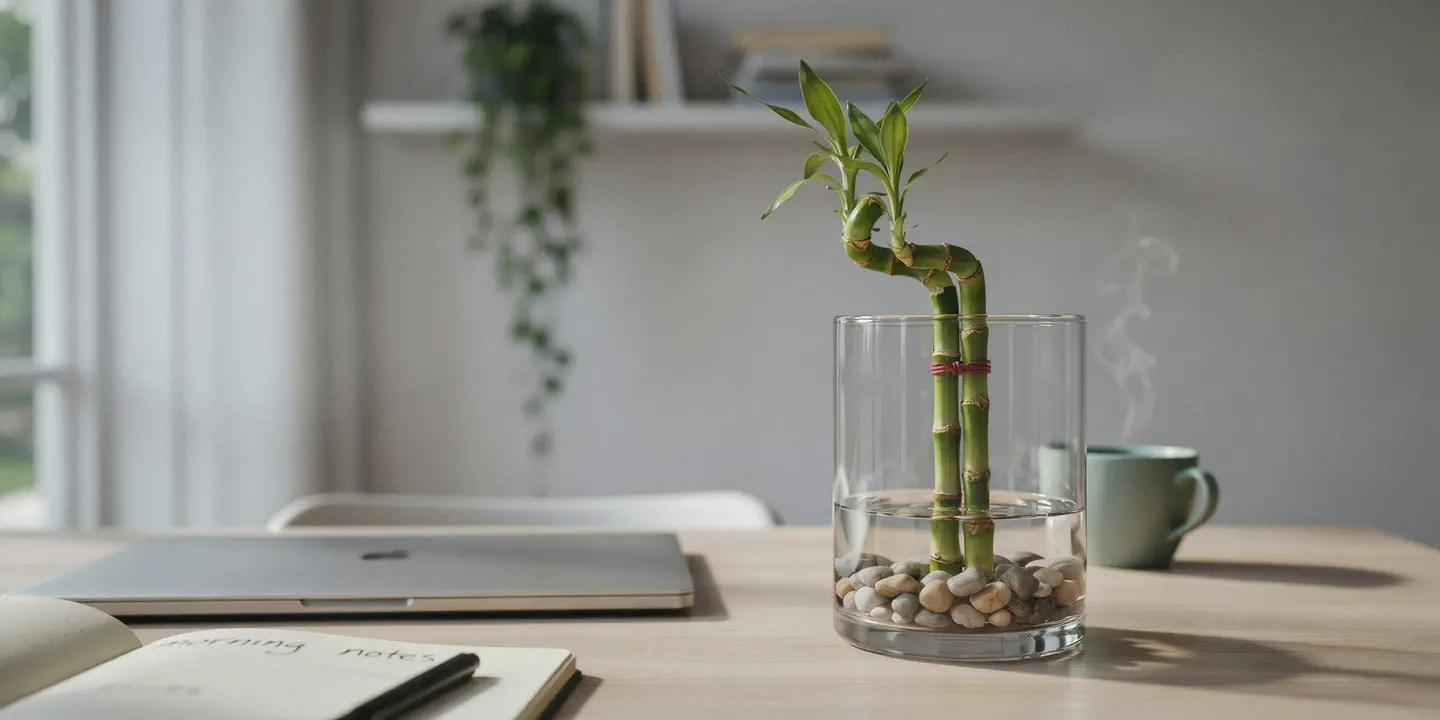
One of the reasons Lucky Bamboo has become so popular is its remarkable adaptability. It thrives in low to moderate indirect light and actually prefers to avoid direct sunlight, which can scorch its leaves and cause them to turn yellow. This makes it an excellent choice for desks, bookshelves, bathrooms with natural light, reception areas, and shaded corners that need a touch of greenery.
Another unique feature is its flexibility when it comes to growing conditions. Lucky Bamboo can be grown either in water or in soil. Many people prefer displaying it in decorative glass containers filled with pebbles and clean water, creating a minimalist look that's perfect for modern interiors. If you choose this method, make sure the roots remain submerged and replace the water every one to two weeks to prevent algae and bacterial buildup.
When grown in soil, Lucky Bamboo should be planted in well-draining potting mix and watered whenever the top inch of soil begins to dry. Whether grown in water or soil, it's best to use filtered, distilled, or rainwater whenever possible. High levels of chlorine and fluoride commonly found in tap water can sometimes cause the leaf tips to turn brown over time.
Lucky Bamboo is also known for its symbolic meaning in Feng Shui. Different numbers of stalks are believed to represent different types of good fortune. For example, two stalks are often associated with love, three symbolize happiness, wealth, and longevity, while five are said to encourage health and balance. Whether or not you follow Feng Shui traditions, the plant's clean, sculptural appearance makes it a beautiful decorative feature in any home.
Caring for Lucky Bamboo is refreshingly straightforward. It requires very little pruning beyond removing any yellow or damaged leaves, and it grows steadily without becoming invasive. Occasional feeding with a diluted liquid houseplant fertilizer every couple of months is enough to support healthy growth.
Its compact size makes Lucky Bamboo especially valuable in small apartments where every bit of space counts. It fits perfectly on coffee tables, office desks, bedside tables, kitchen counters, and bathroom shelves, adding a calming, natural element without taking up much room.
Quick Care Tips
- Light: Low to moderate bright indirect light.
- Water: Keep roots submerged in clean water or water soil when the top inch becomes dry.
- Humidity: Thrives in average indoor humidity.
- Growth Rate: Slow to moderate.
- Best Location: Office desks, bathrooms, bedrooms, entryways, coffee tables, and apartment shelves.
Elegant, symbolic, and incredibly easy to maintain, Lucky Bamboo is an excellent finishing touch for any indoor plant collection. Its ability to thrive in low-light environments while requiring minimal care makes it one of the best choices for anyone looking to bring a little greenery, and perhaps a little good fortune, into their home.
How to Help Low-Light Plants Thrive
Choosing the right low-light houseplant is only the first step. While these resilient plants are far more adaptable than many indoor species, they still need the right care to remain healthy, vibrant, and long-lasting. Fortunately, a few simple habits can make all the difference, helping your plants not just survive in dim spaces but truly flourish.
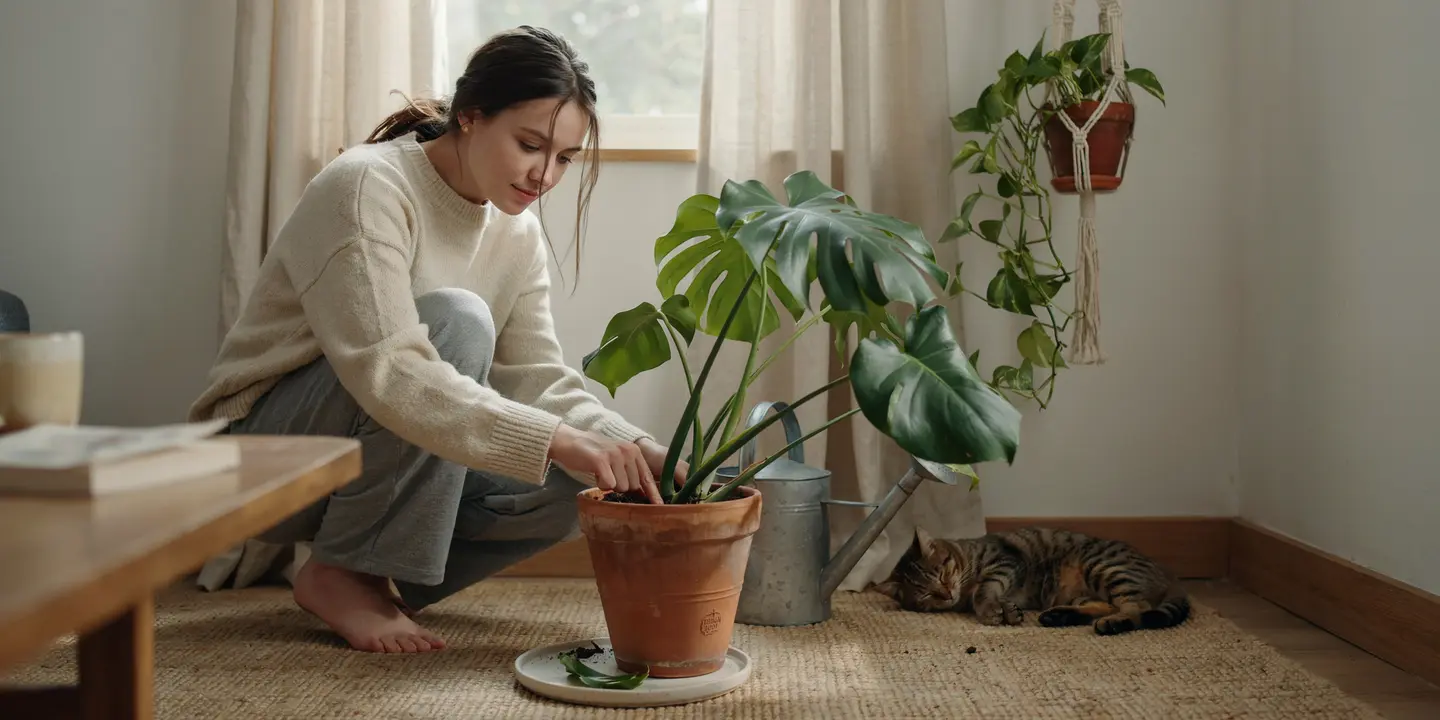
Place Them Where They Receive the Most Available Light
Even plants that tolerate low light still need access to some natural or artificial light each day. Position them near north-facing or east-facing windows, or a few feet away from brighter windows where they'll receive indirect light. Avoid placing them in completely dark rooms for extended periods unless you're supplementing with a quality LED grow light.
If you notice slow growth, smaller leaves, or stems stretching toward a light source, your plant is likely asking for a little more brightness. Simply moving it closer to a window can often restore healthy growth.
Rotate Your Plants Regularly
Plants naturally grow toward their light source. If left in the same position for months, one side may become fuller while the other remains sparse or begins leaning noticeably.
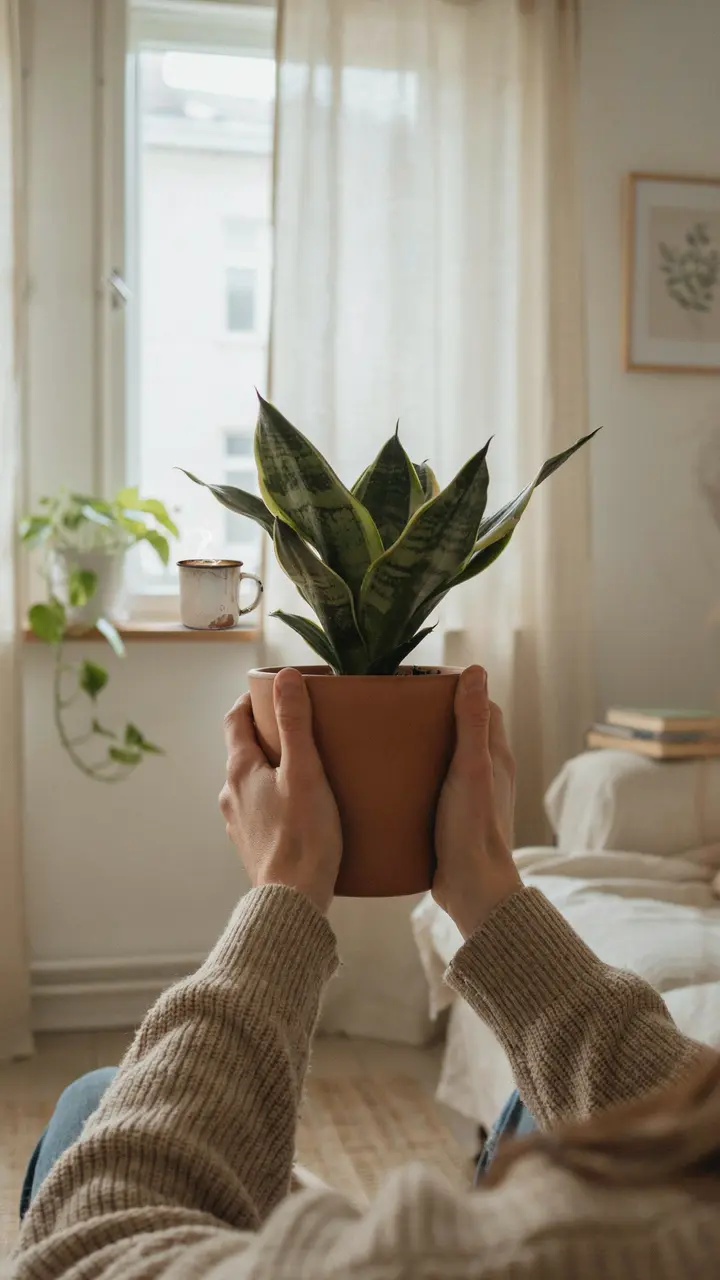
Rotate each plant about a quarter turn every week or two to encourage even growth. This simple habit helps maintain a balanced shape and creates a more attractive display.
Water Less Than You Think
One of the biggest mistakes people make with low-light houseplants is overwatering. Because plants receive less light, they photosynthesize more slowly and use water at a reduced rate. As a result, the soil stays moist for longer than it would in brighter conditions.
Instead of watering on a strict schedule, check the soil first. Insert your finger about one to two inches into the potting mix. If it still feels damp, wait a few more days before watering again. Most low-light plants are far more forgiving of slightly dry soil than constantly wet roots.
Keep the Leaves Clean
Dust gradually builds up on indoor plants, especially those growing in quiet rooms with limited airflow. A layer of dust can block sunlight from reaching the leaves, reducing the plant's ability to photosynthesize efficiently.
Every few weeks, gently wipe the leaves with a soft, damp cloth or give smaller plants a gentle rinse with room-temperature water. Clean leaves not only look healthier but also absorb light more effectively.
Choose Well-Draining Soil and Pots
Healthy roots begin with proper drainage. Use a quality indoor potting mix that allows excess water to drain away easily, and always choose containers with drainage holes whenever possible.
Decorative cachepots can still be used, but avoid letting the inner pot sit in standing water after watering. Good drainage dramatically reduces the risk of root rot, one of the leading causes of houseplant failure.
Feed During the Growing Season
Although low-light plants don't require heavy fertilizing, they still benefit from occasional nutrients during active growth. Apply a balanced liquid houseplant fertilizer every four to eight weeks throughout spring and summer, following the manufacturer's recommended dilution.
Avoid fertilizing during winter when growth naturally slows, as excess nutrients may do more harm than good.
Increase Humidity When Needed
Many popular low-light houseplants originated in tropical rainforests, where humidity levels are much higher than those found in most homes. While many adapt well to average indoor conditions, they often grow even better with a little extra moisture in the air.
Grouping plants together, using a pebble tray, or placing a small humidifier nearby can help maintain healthier foliage, particularly during dry winter months.
Consider Using a Grow Light
If your apartment receives very little natural sunlight, don't assume you have to give up on indoor plants. Modern full-spectrum LED grow lights are energy-efficient, affordable, and capable of providing the light your plants need to stay healthy.
Even a few hours of supplemental lighting each day can significantly improve growth, maintain richer foliage color, and reduce leggy or stretched stems in darker rooms.
Quick Success Tips

- Match each plant to the available light in your home.
- Always check the soil before watering.
- Rotate pots regularly for balanced growth.
- Clean leaves every few weeks.
- Use well-draining soil and containers with drainage holes.
- Fertilize lightly during spring and summer.
- Add humidity if your home is especially dry.
- Use grow lights when natural light is extremely limited.
With these simple habits, even the darkest apartment can become a thriving indoor garden. Consistent care, not constant care, is the secret. Give your plants the right environment, avoid overwatering, and they'll reward you with healthy growth and beautiful greenery for years to come.
Common Low-Light Plant Care Mistakes
Low-light houseplants have earned a reputation for being nearly indestructible, but that doesn't mean they're impossible to care for incorrectly. In fact, many indoor plant problems aren't caused by too little light, they're the result of well-intentioned mistakes that slowly weaken otherwise hardy plants.
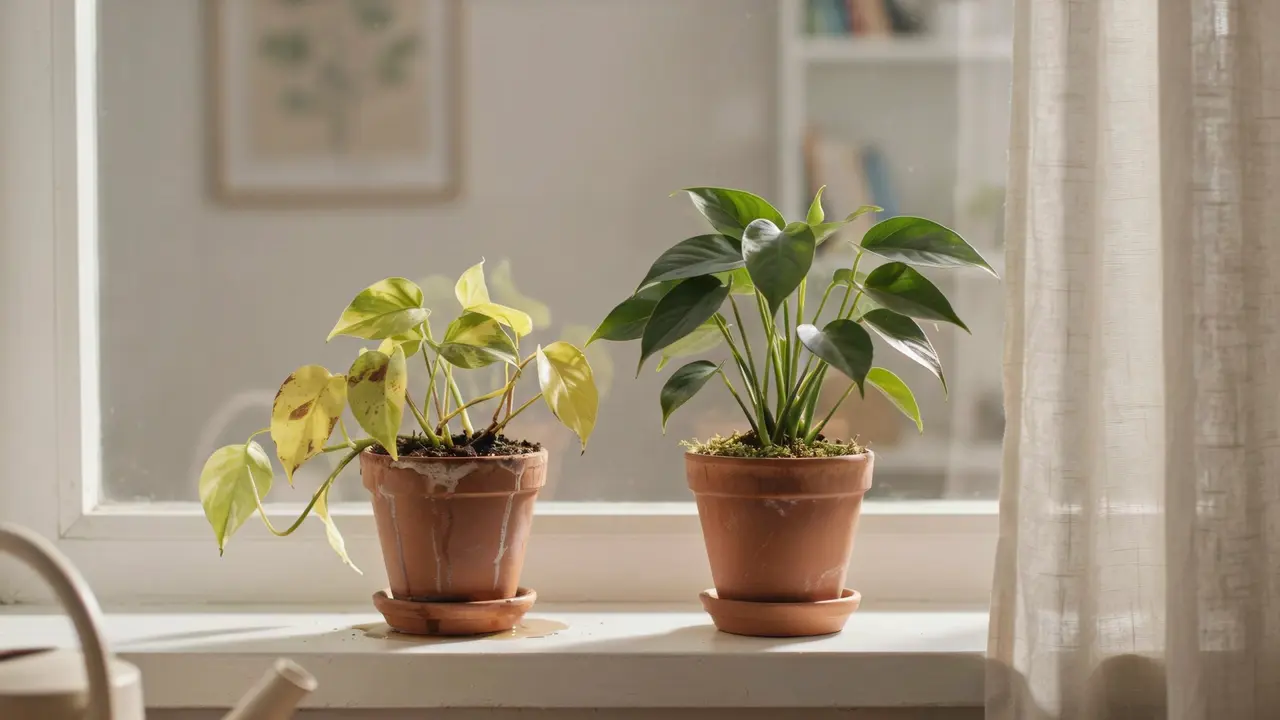
By avoiding these common pitfalls, you'll dramatically improve your chances of growing healthy, vibrant houseplants that continue to thrive for years.
Mistake #1: Assuming Low Light Means No Light
This is easily the most common misconception among new plant owners. While low-light plants tolerate dim conditions, they still need light to produce energy through photosynthesis. Placing a plant in a completely windowless room or dark closet will eventually cause it to decline.
If a room receives virtually no natural light, supplement it with a full-spectrum LED grow light for several hours each day. Even the toughest low-light plants need a reliable light source to stay healthy.
Mistake #2: Overwatering
If there's one mistake responsible for more dying houseplants than any other, it's overwatering.
Plants growing in low light use water much more slowly than those exposed to brighter conditions. Constantly moist soil deprives roots of oxygen, creating the perfect environment for root rot. Yellow leaves, mushy stems, and a foul smell from the soil are all warning signs that the roots may be staying wet for too long.
Instead of watering on a schedule, always check the soil first. If it's still damp a couple of inches below the surface, wait a few more days before watering again.
Mistake #3: Using Pots Without Drainage
A beautiful decorative pot may look great, but if it doesn't allow excess water to escape, it can quickly become a problem.
Containers without drainage holes trap water around the roots, increasing the likelihood of fungal diseases and root rot. Whenever possible, choose pots with drainage holes and empty any excess water that collects in saucers or outer cachepots after watering.
Mistake #4: Ignoring Humidity
Many popular low-light plants, including Peace Lilies, Philodendrons, and Parlor Palms, come from tropical environments where humidity is naturally high.
Although they often adapt to average household conditions, extremely dry air can cause brown leaf tips, crispy edges, or slower growth. During dry seasons, grouping plants together, using pebble trays, or running a humidifier can help recreate a more comfortable environment.
Mistake #5: Choosing Pots That Are Too Large
It's tempting to give a small plant a large pot so it has "room to grow," but this often backfires.
Oversized containers hold significantly more soil, which stays wet longer after watering. Since the roots can't absorb all that moisture quickly, excess water lingers around them, increasing the risk of root rot. Choosing a pot that's only one to two inches larger than the root ball encourages healthier root development and better moisture control.
Mistake #6: Forgetting to Clean the Leaves
Indoor plants naturally collect dust over time, especially in apartments with limited airflow. Dirty leaves can't absorb light as efficiently, reducing the plant's ability to photosynthesize.
A quick wipe with a damp microfiber cloth every few weeks keeps the foliage clean, glossy, and functioning at its best.
Mistake #7: Placing Plants Near Heating or Cooling Vents
Sudden temperature changes can stress even the toughest houseplants. Hot, dry air from heaters or constant blasts from air conditioners can dry out leaves, cause browning, and slow healthy growth.
Try placing plants away from direct airflow while still ensuring they receive the light they need.
Mistake #8: Expecting Rapid Growth
Many people worry when their low-light plant grows slowly. In reality, slower growth is perfectly normal.
Lower light levels naturally reduce the rate of photosynthesis, meaning plants produce new leaves more gradually. As long as the foliage remains healthy and vibrant, slow growth is usually a sign that the plant is simply adapting to its environment, not struggling.
Signs Your Low-Light Plant Is Healthy
- Firm, vibrant green leaves.
- Steady production of new growth, even if it's slow.
- Upright stems with minimal leaning.
- Healthy root system with no foul odor.
- Consistent leaf color without widespread yellowing.
Growing healthy houseplants isn't about achieving perfection, it's about consistency. Most low-light plants are remarkably forgiving when given the basics: the right amount of light, well-draining soil, moderate watering, and a stable indoor environment. Avoid these common mistakes, and your indoor garden will reward you with healthy foliage and lasting beauty, even in the darkest corners of your home.
How to Decorate Small Apartments with Low-Light Plants
One of the biggest advantages of low-light houseplants is that they allow you to enjoy lush indoor greenery without needing large, sun-filled rooms. Even the smallest apartment can feel brighter, calmer, and more inviting with a few thoughtfully placed plants. The secret isn't filling every corner with greenery, it's using plants strategically to complement your space and create visual balance.
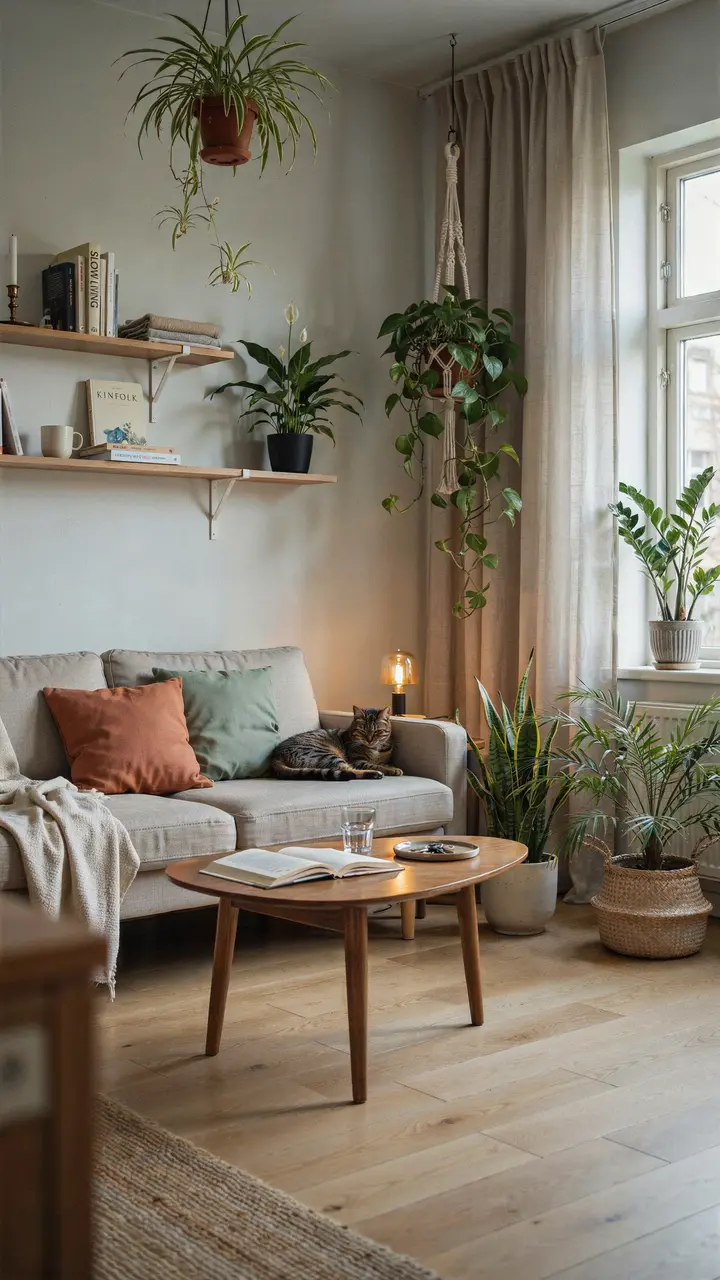
Create Height with Plant Stands
When floor space is limited, think vertically. Plant stands allow you to display greenery at different heights, adding depth and dimension to a room without making it feel crowded.
Tall plants like Snake Plants, Parlor Palms, and Cast Iron Plants look especially elegant on simple wooden or metal stands, helping draw the eye upward and making ceilings appear higher.
Add Life with Floating Shelves
Floating shelves are perfect for apartments because they provide extra display space without taking up valuable floor area.
Trailing plants such as Pothos and Heartleaf Philodendrons look particularly beautiful here. Their cascading vines soften hard edges and naturally guide the eye through the room, creating a cozy, lived-in atmosphere.
Hang Plants to Maximize Space
Hanging planters are one of the easiest ways to decorate with greenery while keeping surfaces clear.
Place Spider Plants, Pothos, or Philodendrons near windows with indirect light or in room corners where their vines can spill gracefully downward. Hanging plants add movement and texture while freeing up tables, desks, and shelves for everyday use.
Brighten Empty Corners
Nearly every apartment has that one awkward corner that feels unfinished. Instead of leaving it empty, place a low-light plant there to instantly make the space feel intentional.
Larger options like the Parlor Palm or Cast Iron Plant work beautifully in decorative pots, while medium-sized Chinese Evergreens or Peace Lilies can soften smaller corners without overwhelming the room.
Bring Greenery into the Bathroom
Bathrooms often receive filtered light and naturally higher humidity, making them surprisingly suitable for many tropical houseplants.
Peace Lilies, Lucky Bamboo, Heartleaf Philodendrons, and Pothos frequently thrive in these environments, transforming an ordinary bathroom into a relaxing spa-like retreat.
Refresh Your Workspace
A small plant on your desk can completely change the feel of your workspace.
Compact options such as Lucky Bamboo, Chinese Evergreen, or a small ZZ Plant add color without taking up much room. Besides improving the appearance of your office, having greenery nearby can make long workdays feel more enjoyable and connected to nature.
Style Shelves and Bookcases
Bookshelves don't have to be filled entirely with books and decorative objects. Mixing plants with books, framed photos, candles, and artwork creates a more balanced and visually interesting display.
Allow trailing vines to weave naturally across shelves while upright plants provide structure and contrast. Varying plant sizes creates a layered look that feels curated rather than cluttered.
Group Plants Together
Instead of scattering individual plants throughout your apartment, consider grouping several together.
Combining different heights, leaf shapes, and textures creates a mini indoor jungle while also slightly increasing humidity around the plants. For example, pair a tall Snake Plant with a Chinese Evergreen and a trailing Pothos to create a dynamic arrangement that looks professionally styled.
Match Planters to Your Décor
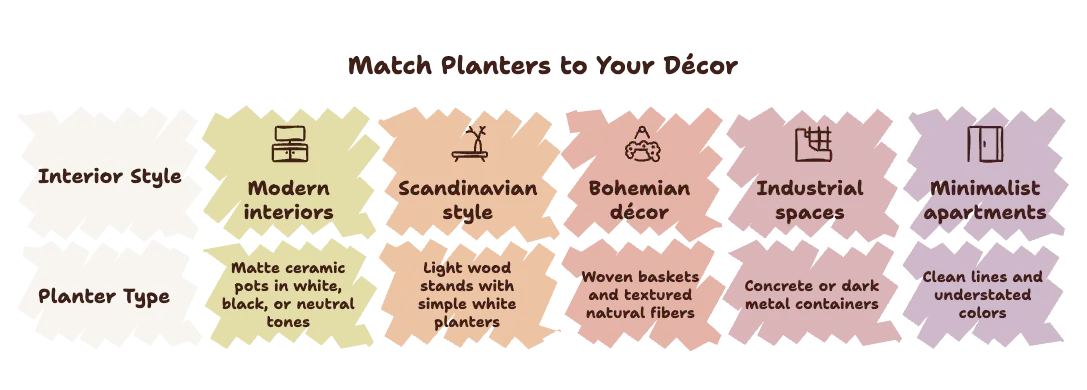
The right planter can be just as important as the plant itself.
- Modern interiors: Matte ceramic pots in white, black, or neutral tones.
- Scandinavian style: Light wood stands with simple white planters.
- Bohemian décor: Woven baskets and textured natural fibers.
- Industrial spaces: Concrete or dark metal containers.
- Minimalist apartments: Clean lines and understated colors that let the greenery stand out.
Choosing coordinated planters helps create a polished, cohesive look throughout your home.
Less Can Be More
When decorating a small apartment, resist the temptation to buy dozens of plants all at once. A few healthy, well-placed houseplants often make a stronger visual impact than overcrowding every available surface.
Start with two or three easy-care plants, learn what grows best in your space, and gradually expand your collection as your confidence grows.
Easy Apartment Styling Ideas
- Place a Snake Plant beside the sofa for vertical interest.
- Display a Peace Lily on a side table as a living centerpiece.
- Let a Pothos trail from a floating shelf.
- Hang a Spider Plant near a bright window.
- Add Lucky Bamboo to your home office desk.
- Position a Parlor Palm in an empty bedroom corner.
- Group several plants together on a plant stand for a lush focal point.
Decorating with low-light houseplants is about creating a home that feels warm, relaxing, and alive. With thoughtful placement and a little creativity, even the darkest apartment can become a beautiful green sanctuary that reflects your personal style.
Frequently Asked Questions
Can plants survive in rooms without windows?
Most living houseplants cannot survive indefinitely in a room with no windows because they still need light to perform photosynthesis. However, many low-light plants can thrive in spaces with very little natural light if you supplement with a full-spectrum LED grow light for several hours each day. Without any source of light, even the hardiest indoor plants will eventually decline.
Which low-light houseplant is easiest for beginners?
Several low-light plants are ideal for first-time plant owners, but the Snake Plant and ZZ Plant are often considered the easiest. Both are highly tolerant of neglect, require infrequent watering, and adapt well to a variety of indoor conditions. If you occasionally forget to water your plants, these two are excellent choices.
How often should I water low-light plants?
There isn't a universal watering schedule because every home has different temperatures, humidity levels, and lighting conditions. Instead of watering by the calendar, check the soil first. Most low-light houseplants should only be watered after the top one to two inches of soil have dried out. Since plants grow more slowly in low light, they generally need less water than those in brighter locations.
Do low-light houseplants help improve indoor air quality?
Houseplants can contribute to a fresher indoor environment by adding humidity through transpiration and creating a more relaxing atmosphere. While some studies suggest certain plants can remove small amounts of airborne compounds under controlled conditions, they shouldn't be relied upon as a replacement for proper ventilation or air filtration. Their greatest benefits are often aesthetic, psychological, and their ability to make indoor spaces feel more inviting.
Can I use grow lights in a dark apartment?
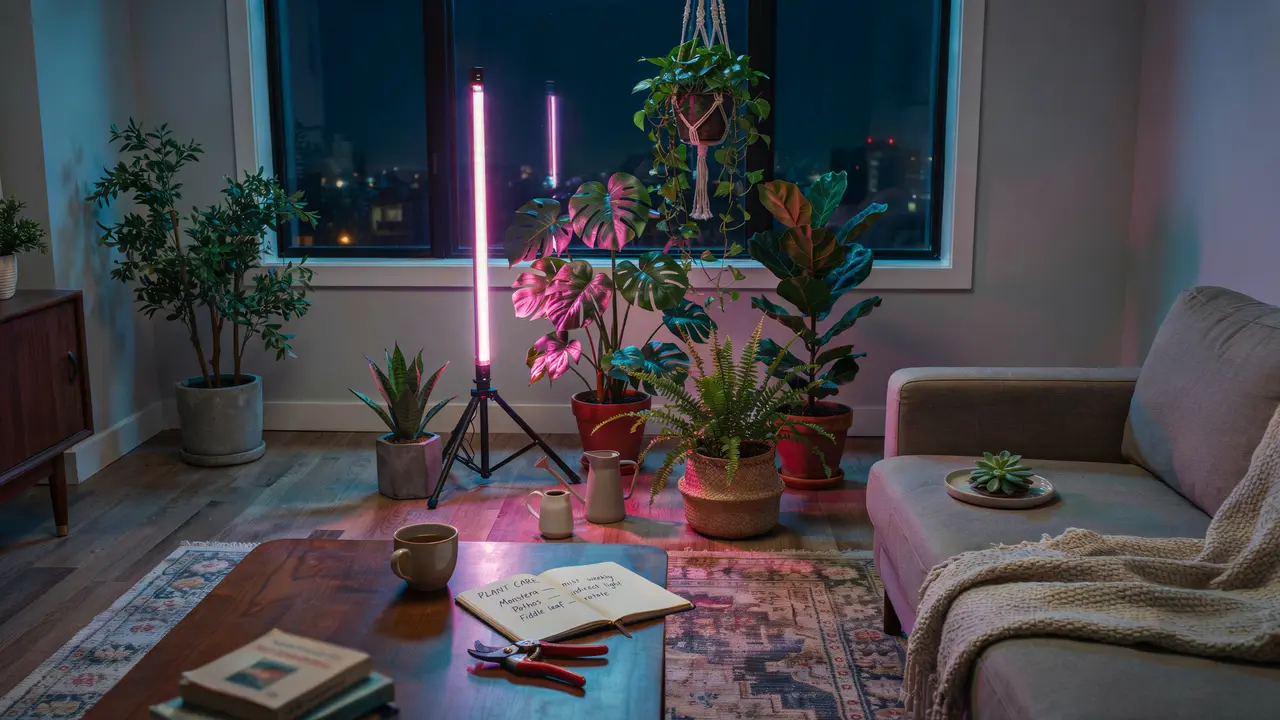
Absolutely. Modern LED grow lights are energy-efficient, affordable, and designed to mimic the wavelengths of natural sunlight that plants use for photosynthesis. They're an excellent solution for apartments with limited natural light and can help maintain healthy growth, richer foliage, and stronger stems throughout the year.
Which low-light houseplant grows the fastest?
Among the plants featured in this guide, Pothos and Heartleaf Philodendron are typically the fastest growers. Under good care and consistent indirect light, their vines can grow several feet over time. Regular pruning encourages fuller growth, and both plants are incredibly easy to propagate from stem cuttings.
Are low-light plants safe for pets?
Not all of them. Several popular low-light houseplants, including Peace Lilies, Pothos, Philodendrons, Snake Plants, and ZZ Plants, can be toxic if chewed by cats or dogs. If you have curious pets, research each plant before bringing it home or choose pet-friendly alternatives such as certain varieties of Spider Plants or Parlor Palms.
Why are the leaves on my low-light plant turning yellow?
Yellow leaves are most commonly caused by overwatering, especially in low-light conditions where the soil takes longer to dry. Other possible causes include poor drainage, insufficient light, natural aging of older leaves, or occasional nutrient deficiencies. Checking the soil moisture before watering is the best way to prevent this common problem.
Can low-light plants live in a bathroom?
Yes. Bathrooms with windows often provide ideal conditions for many tropical houseplants because they combine indirect light with naturally higher humidity. Plants like Peace Lilies, Pothos, Heartleaf Philodendrons, and Lucky Bamboo frequently thrive in these environments.
Should I fertilize low-light houseplants?
Yes, but only lightly. During spring and summer, a balanced liquid houseplant fertilizer applied every four to eight weeks is usually enough. Because these plants grow more slowly in lower light, over-fertilizing can do more harm than good. Most houseplants require little to no fertilizer during winter when growth naturally slows.
Final Thoughts
A lack of bright windows doesn't mean you have to give up on the idea of a beautiful indoor garden. As you've seen, there are plenty of resilient, low-light houseplants that can thrive in dark rooms, shaded corners, and small apartments with the right care. From the nearly indestructible Snake Plant and ZZ Plant to the cascading beauty of Pothos and the elegant blooms of the Peace Lily, there's a perfect plant for every space and every experience level.
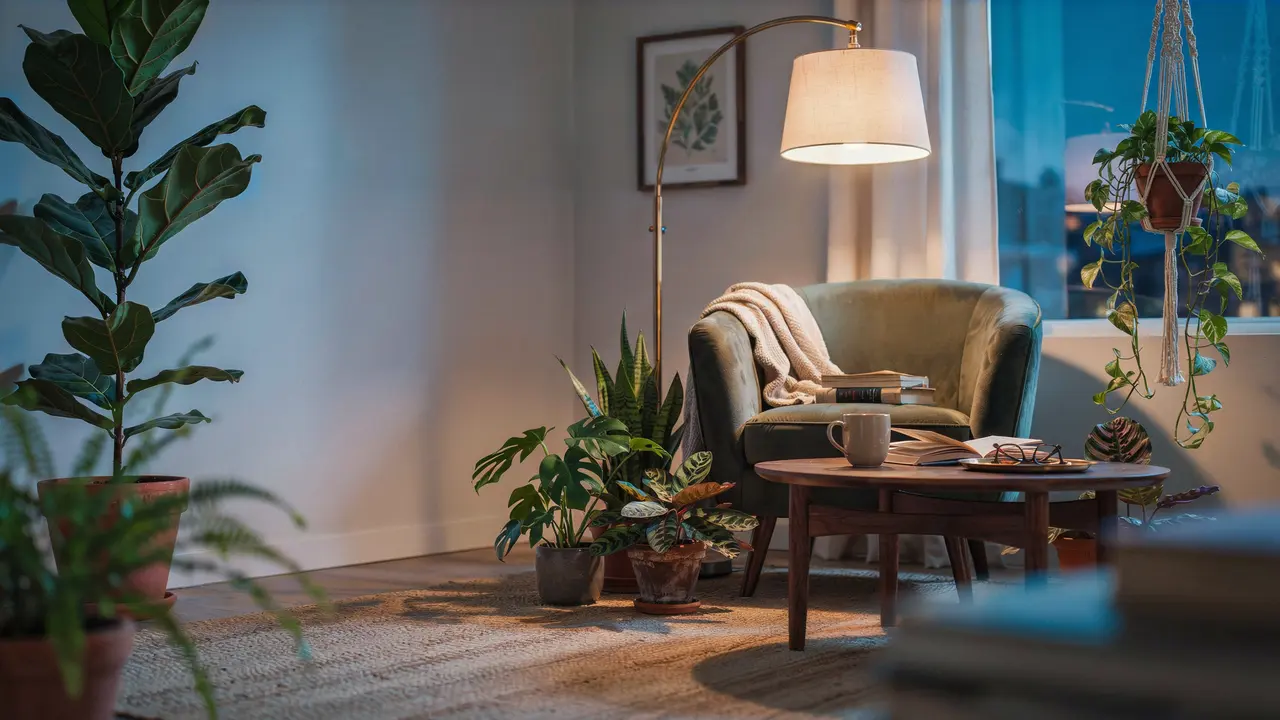
The key to success isn't finding plants that need no light, it's choosing species that naturally adapt to lower light conditions and providing them with a simple, consistent care routine. By avoiding overwatering, using well-draining soil, cleaning the leaves regularly, and placing your plants where they can receive the available indirect light, you'll set them up for long-term health and steady growth.
Don't feel like you need to transform your entire home overnight. Start with one or two beginner-friendly plants and learn how they respond to your environment. As your confidence grows, you can gradually expand your collection, experiment with different plant varieties, and create beautiful displays that reflect your personal style.
Beyond their visual appeal, houseplants have a unique way of making a home feel calmer, warmer, and more welcoming. A simple pot of greenery on a shelf, a trailing vine in a hanging basket, or a graceful palm in an empty corner can completely change the atmosphere of a room. Even the smallest apartment can become a peaceful retreat when surrounded by living plants.
Remember, successful indoor gardening isn't about perfection, it's about observation and consistency. Pay attention to your plants, adjust your care routine as the seasons change, and don't be discouraged by the occasional yellow leaf or slow-growing stem. Every plant owner learns through experience, and each success makes the hobby even more rewarding.
Whether you're decorating your first apartment, refreshing a dim office, or bringing life to a quiet corner of your home, the right low-light houseplants can make all the difference. With a little patience and care, you'll enjoy lush greenery, cleaner-looking living spaces, and the quiet satisfaction that comes from helping something grow.
So choose your favorite plant, find the perfect spot, and get started. Your home doesn't need endless sunshine to become a thriving indoor oasis, it just needs the right plants and a little attention.

Leave a comment
Your email address will not be published. Required fields are marked *