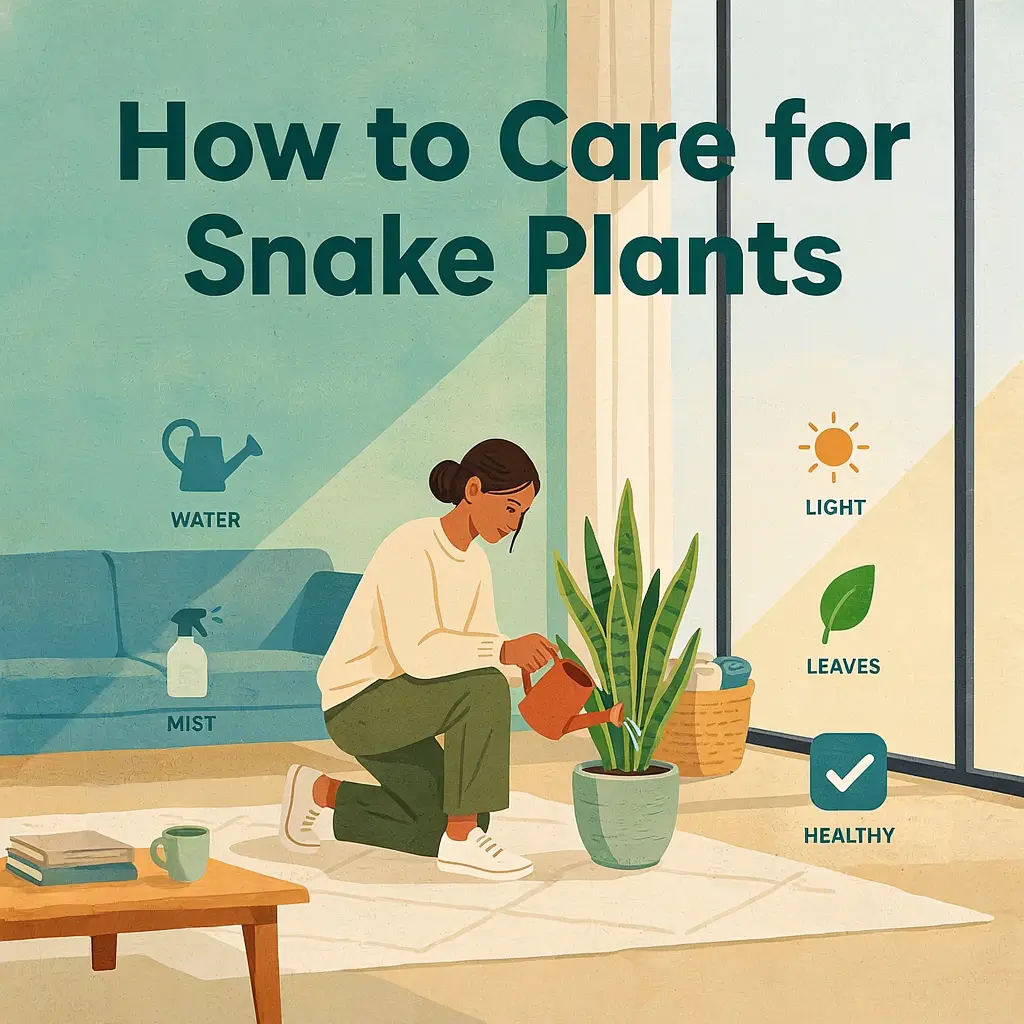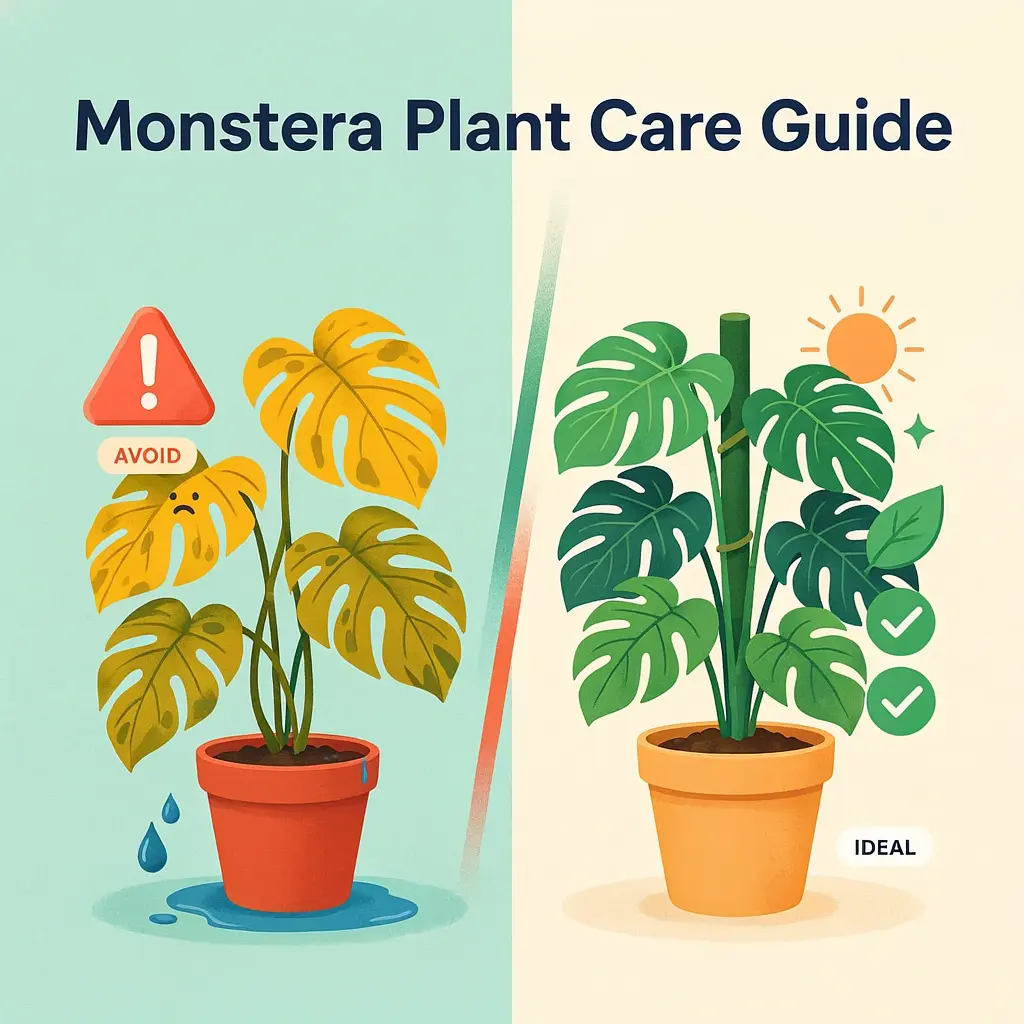
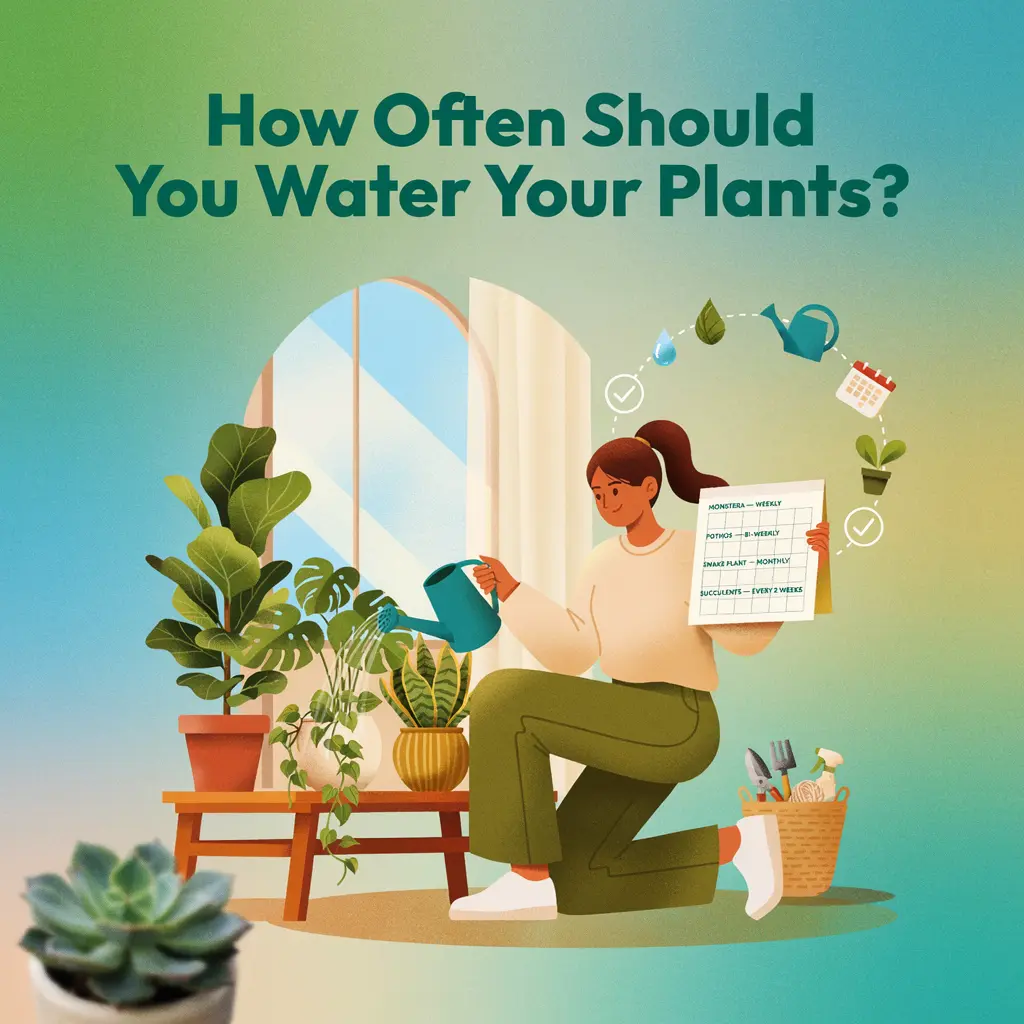
If you've ever asked yourself, "How often should I water my plants?" you're not alone. It's one of the most common questions among plant owners, whether you're caring for a single pothos on your desk or tending to a thriving backyard garden. Surprisingly, there's no universal answer. While many people search for a simple watering schedule, the truth is that healthy plants depend on far more than a calendar.
Every plant has unique needs shaped by its species, the size of its pot, the type of soil it's growing in, the amount of sunlight it receives, and even the season. A cactus sitting on a bright windowsill may only need water every few weeks, while a thirsty peace lily in a warm living room could need a drink much sooner. Following the same routine for every plant is one of the quickest ways to end up with yellow leaves, root rot, or a struggling garden.
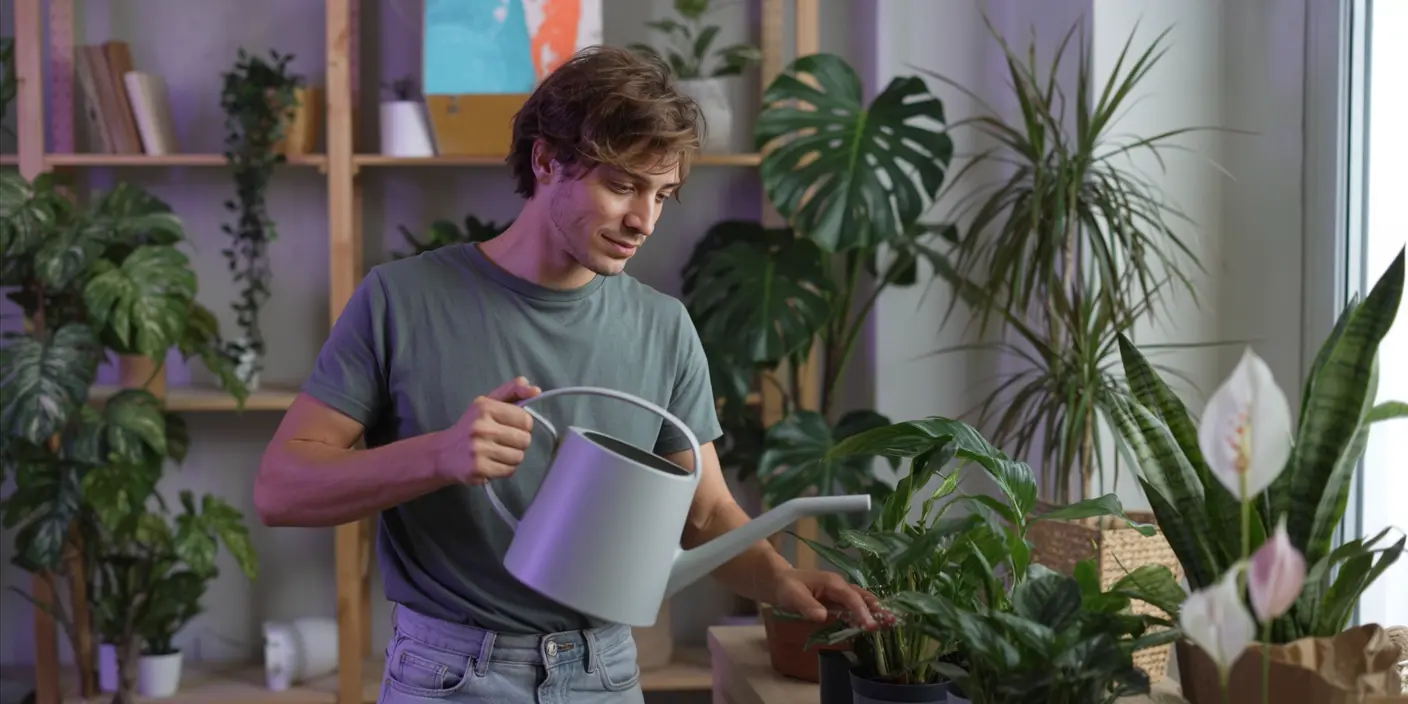
Learning when to water is just as important as learning how much water to give. Instead of relying on guesswork, experienced gardeners pay attention to the soil, the weather, and the subtle signals their plants provide. Once you understand these cues, watering becomes far less stressful and far more effective.
In this complete guide, you'll discover how often to water different types of plants, including indoor houseplants, outdoor flowers, vegetables, herbs, succulents, cacti, and tropical varieties. You'll also learn how to recognize the warning signs of overwatering and underwatering, the best time of day to water, and practical techniques that help your plants develop stronger, healthier roots.
Whether you're a complete beginner or looking to improve your plant care routine, this guide will give you the confidence to water your plants the right way, helping them stay vibrant, healthy, and growing beautifully throughout every season.
Why There Is No One-Size-Fits-All Watering Schedule
One of the biggest misconceptions in plant care is the belief that every plant should be watered on a fixed schedule. It's common to hear advice like "water once a week" or "give your plants a drink every Sunday," but following a rigid routine can do more harm than good. Plants don't live by the calendar, they respond to their environment.
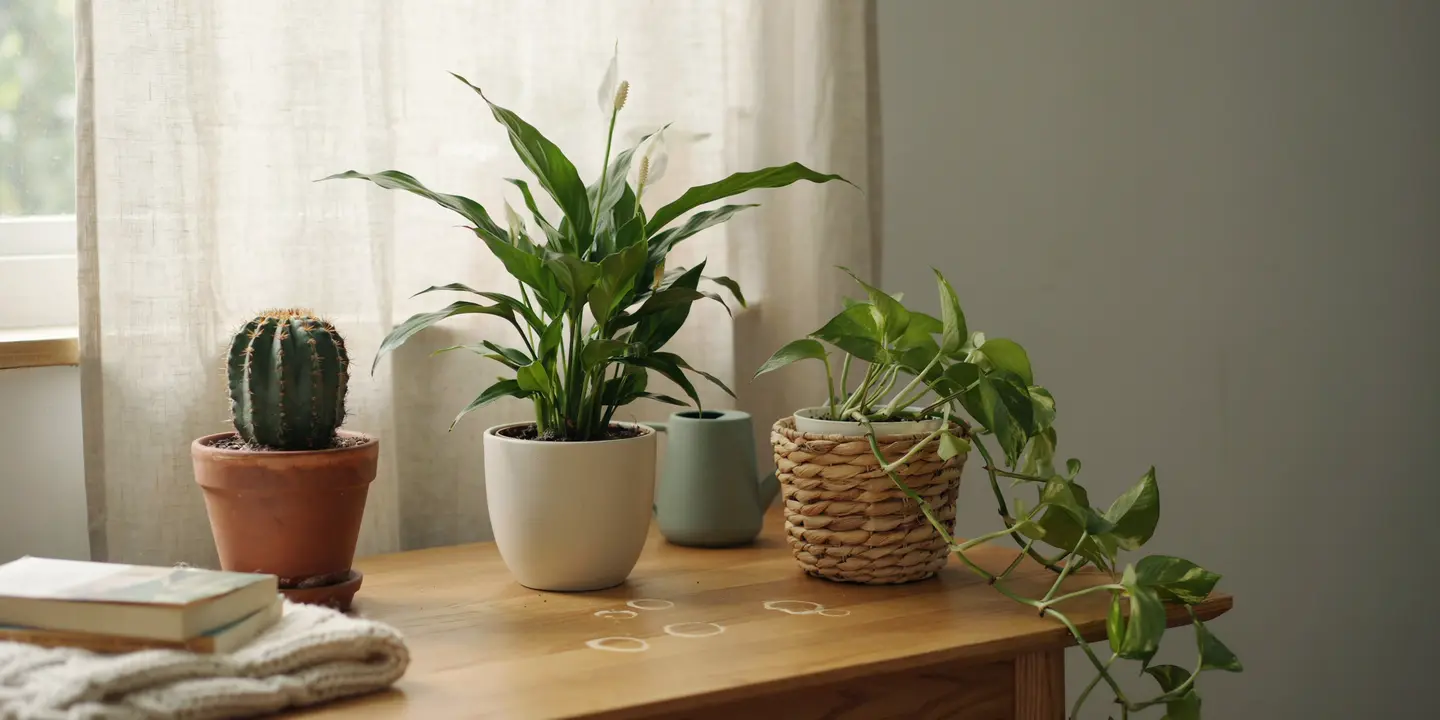
Think about how different your home feels throughout the year. During the summer, warmer temperatures and longer days cause soil to dry out much faster. In winter, cooler weather and slower plant growth mean moisture stays in the soil longer. If you water the same amount every week regardless of the season, you're likely to overwater during colder months and underwater when temperatures rise.
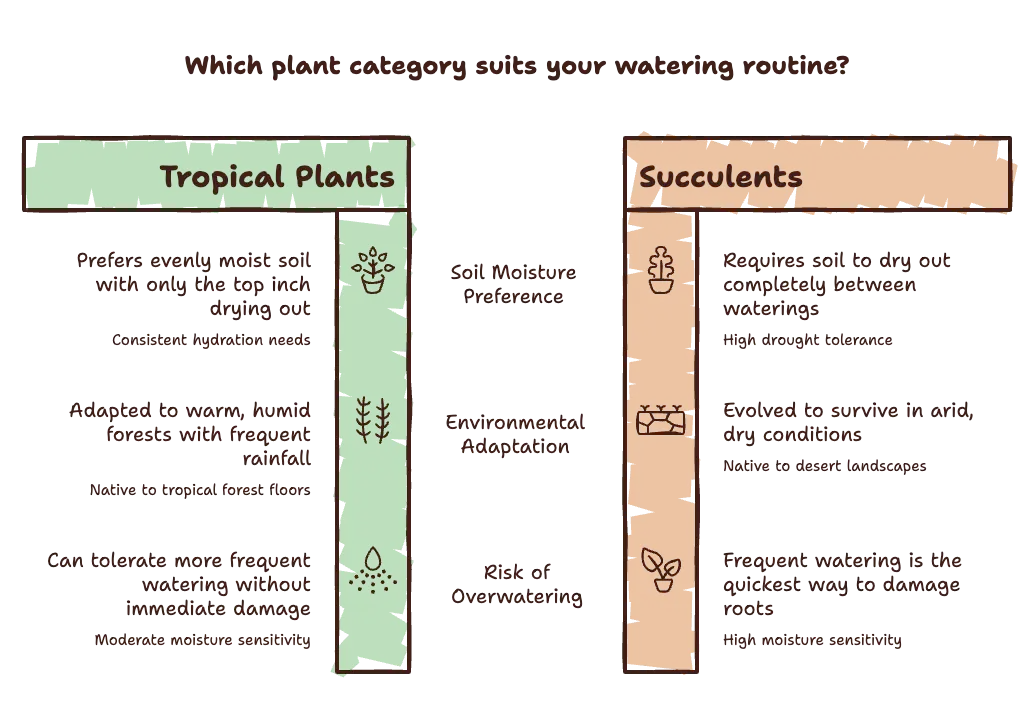
Plant species also play a major role. Succulents and cacti have evolved to store water in their leaves and stems, allowing them to survive long periods without rainfall. Tropical houseplants, on the other hand, naturally grow in humid environments where the soil stays consistently moist. Treating these two plant types the same is almost guaranteed to lead to problems.
The container and growing medium matter just as much. A small pot dries out more quickly than a large one because it holds less soil and less moisture. Terracotta pots are porous and allow water to evaporate through their sides, while plastic and glazed ceramic pots retain moisture for much longer. Soil mixes also vary greatly. A chunky, well-draining mix dries faster than a dense, moisture-retaining potting soil.
Your plant's location is another important factor. A plant sitting in direct sunlight near a south-facing window will use water much faster than one tucked into a shaded corner. Outdoor plants exposed to wind, heat, and full sun often need more frequent watering than indoor plants protected from the elements.
Humidity, airflow, and even the size of the plant itself can influence watering needs. Larger plants with more leaves lose water through transpiration at a faster rate, while dry indoor air from heaters or air conditioners can cause soil to dry out surprisingly quickly.
Rather than watering on a strict schedule, the healthiest approach is to let your plants guide you. Checking the soil before reaching for the watering can helps ensure you're watering based on need instead of habit. Over time, you'll begin to recognize each plant's natural rhythm, making it much easier to provide the right amount of water at the right time.
The goal isn't to follow a universal timetable, it's to understand the unique conditions your plants are growing in. Once you shift your focus from the calendar to the plant itself, you'll avoid many of the most common watering mistakes and create an environment where your plants can truly thrive.
The Biggest Factors That Determine How Often You Should Water Plants
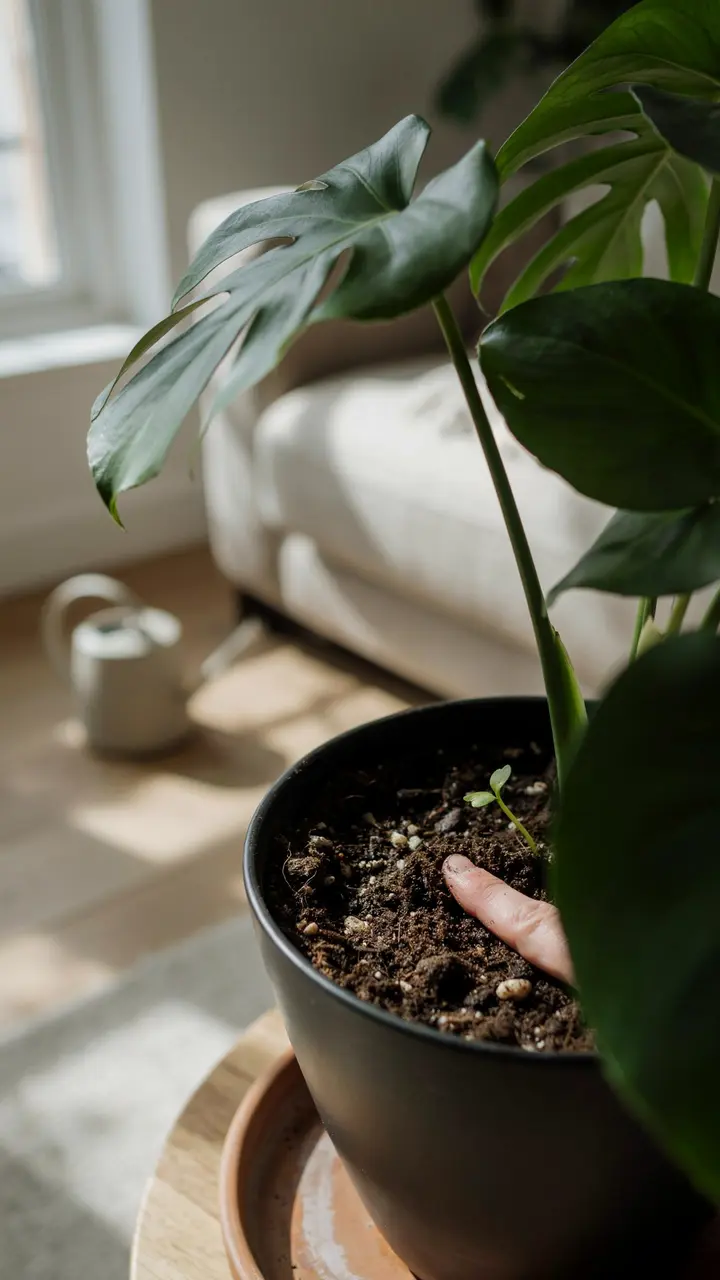
If you've ever wondered why one plant seems to need water every few days while another thrives for weeks without it, the answer lies in the many factors that influence how quickly moisture leaves the soil. Understanding these variables will help you move beyond guesswork and create a watering routine that's tailored to each plant.
Plant Species
The type of plant you own is the single biggest factor in determining how often it needs water. Different plants have adapted to survive in very different environments, and those natural adaptations continue to influence their watering needs.
Tropical Plants
Plants like monsteras, pothos, peace lilies, calatheas, and philodendrons come from warm, humid forests where rainfall is frequent and the soil rarely dries out completely. They generally prefer evenly moist soil, although most still benefit from allowing the top inch of soil to dry before watering again.
Succulents
Succulents store water in their thick leaves and stems, making them highly drought tolerant. These plants prefer the soil to dry out completely before being watered again. Frequent watering is one of the quickest ways to damage their roots.
Cacti
Cacti require even less water than most succulents. Because they evolved in desert environments, they thrive when allowed to dry out thoroughly between waterings. During winter dormancy, many cacti require very little water at all.
Flowering Plants
Flowering plants often need more consistent moisture because producing blooms requires significant energy. Allowing the soil to become excessively dry may reduce flowering and shorten bloom time.
Herbs
Kitchen herbs vary in their watering preferences. Basil enjoys consistently moist soil, while rosemary, thyme, oregano, and sage prefer drier conditions. Knowing the needs of each herb helps prevent common problems like root rot or wilting.
Vegetables
Vegetables are among the thirstiest plants in the garden. Tomatoes, peppers, cucumbers, squash, and leafy greens generally require regular deep watering, especially during hot weather and while producing fruit.
Pot Size
Container size has a surprisingly large impact on watering frequency.
Small pots contain less soil, which means they hold less water and dry out more quickly. Large containers retain moisture longer because they have a greater volume of soil surrounding the roots.
This is why a small houseplant may need watering twice as often as the exact same plant growing in a larger container.
Soil Type
Not all potting mixes hold water equally.
Light, airy mixes containing perlite, bark, coco coir, or coarse sand drain quickly and provide excellent airflow around roots. Dense soils with high amounts of peat or clay retain moisture much longer.
Choosing the right soil for your plant is just as important as choosing the right watering schedule.
Drainage
Healthy roots need both water and oxygen.
Containers without drainage holes trap excess water around the roots, dramatically increasing the risk of root rot. Pots with proper drainage allow excess water to escape while keeping enough moisture available for healthy growth.
Whenever possible, choose containers that allow water to flow freely out of the bottom.
Humidity
Humidity affects how quickly water evaporates from both the soil and the leaves.
In naturally humid environments, plants lose moisture more slowly and often require less frequent watering. In dry homes, especially during winter when heating systems are running, soil can dry out much faster than expected.
Many tropical houseplants appreciate higher humidity even if they don't necessarily need more frequent watering.
Temperature
Warm temperatures accelerate evaporation and increase a plant's water consumption.
During hot summer months, plants actively grow and lose water quickly through transpiration. Cooler temperatures slow growth and reduce water requirements, meaning plants often need watering much less frequently during autumn and winter.
Adjusting your watering routine with the seasons helps prevent both overwatering and underwatering.
Sunlight Exposure
Light directly affects how much water a plant uses.
Plants growing in full sun generally require more frequent watering than those in partial shade because sunlight warms both the plant and the soil, increasing evaporation.
Indoor plants placed beside bright south- or west-facing windows also tend to dry out faster than plants in lower-light areas.
Air Circulation
Good airflow promotes healthy growth, but it also increases evaporation.
Plants placed near ceiling fans, open windows, air conditioners, or heating vents often lose moisture more quickly than plants in more stable environments.
While airflow helps reduce fungal diseases, it may also require you to check soil moisture more often.
No single factor determines when a plant needs water. Instead, it's the combination of plant type, pot size, soil, drainage, climate, temperature, sunlight, humidity, and airflow that creates each plant's unique watering schedule. Once you understand how these factors work together, you'll be able to make confident watering decisions instead of relying on a fixed calendar, giving your plants exactly what they need to flourish.
How Often to Water Indoor Plants
Indoor plants bring life, color, and cleaner air into our homes, but they also create one of the biggest sources of confusion for beginners: how often should you water them? Unlike outdoor plants that benefit from rainfall and natural weather patterns, houseplants rely entirely on you to meet their watering needs. The challenge is finding the right balance, because both too much and too little water can quickly affect a plant's health.
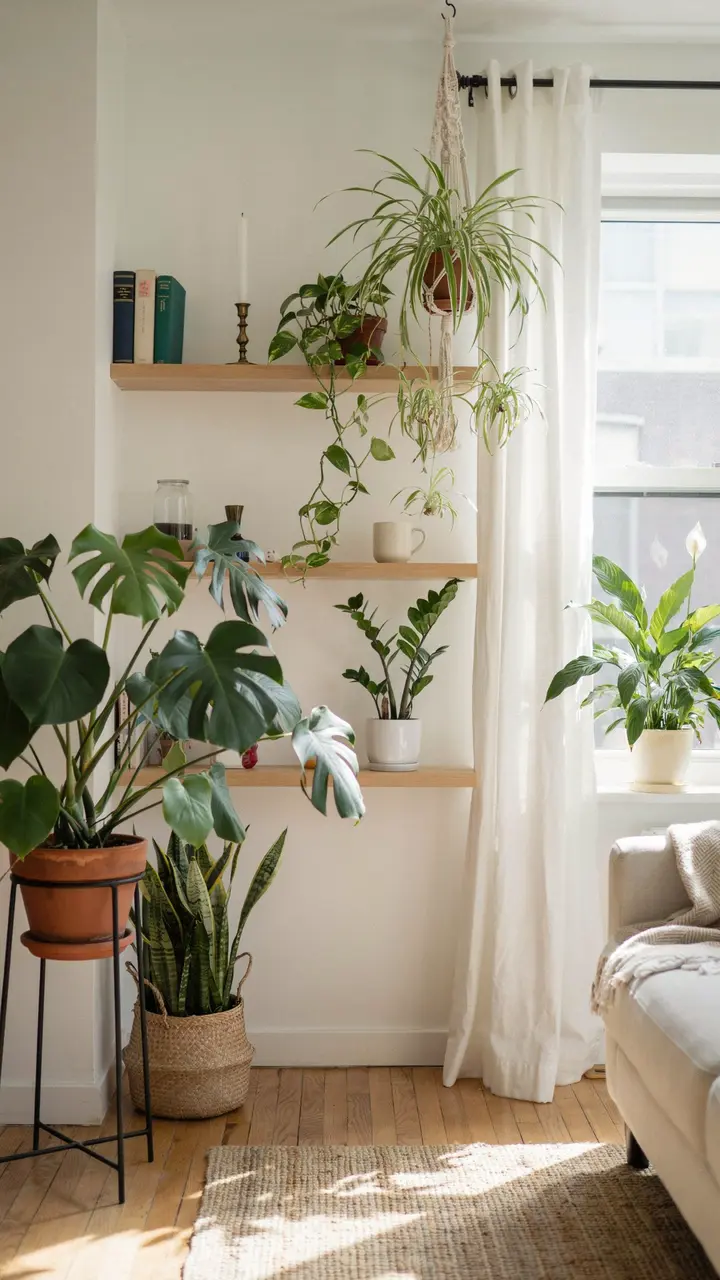
The good news is that most indoor plants follow similar watering principles. Instead of sticking to a rigid schedule, it's better to understand how your home's environment influences the soil. Light, temperature, humidity, and even the type of container all determine how quickly your plants use water.
A General Rule of Thumb
Most common houseplants need watering approximately every 7 to 14 days, but this is only a starting point. Some plants may need water every five to seven days during warm summer weather, while others can comfortably go two to four weeks between waterings during the cooler months.
Rather than asking, "Has it been a week?" ask yourself, "Has the soil dried enough?" Checking the soil before watering is a far more reliable method than following a calendar.
Why Indoor Plants Dry Out Differently
Indoor environments are much more controlled than outdoor gardens, but that doesn't mean every room provides the same conditions.
A plant sitting near a bright south-facing window will use water much faster than one in a shaded office. Rooms with large windows, direct sunlight, ceiling fans, fireplaces, heaters, or air conditioners often cause soil to dry out more quickly.
Humidity also makes a significant difference. Bathrooms and kitchens tend to stay more humid, allowing soil to retain moisture longer, while bedrooms and living rooms with constant air conditioning or heating usually dry out faster.
Watering Frequency by Plant Type
While every plant is unique, these general guidelines provide a helpful starting point.

Tropical Houseplants
Plants such as pothos, monsteras, philodendrons, peace lilies, and many calatheas usually prefer the soil to remain lightly moist. Water them when the top 1 to 2 inches of soil feel dry. Depending on your home, this often means watering every 7 to 10 days during active growth.
Snake Plants
Snake plants are extremely forgiving and prefer the soil to dry almost completely before receiving more water. In many homes, watering every 2 to 4 weeks is sufficient, with even less water needed during winter.
ZZ Plants
ZZ plants store water in their thick underground rhizomes, allowing them to tolerate long periods without watering. They often thrive with watering every 2 to 4 weeks, depending on temperature and light.
Spider Plants
Spider plants appreciate evenly moist soil but dislike sitting in soggy conditions. Watering roughly every 7 to 10 days works well for most indoor environments.
Peace Lilies
Peace lilies consume water more quickly than many houseplants and visibly droop when thirsty. While they usually recover after watering, it's better to water when the top inch of soil becomes dry rather than waiting for dramatic wilting.
Succulents and Cacti
These drought-loving plants should only be watered once the soil has dried completely. Many indoor succulents require watering every 2 to 4 weeks, while cacti may need even less frequent watering.
Adjust Your Routine Throughout the Year
One of the biggest mistakes plant owners make is watering the same amount all year long.
During spring and summer, plants grow more actively and use water faster. They may require watering more frequently because of increased sunlight and warmer temperatures.
As autumn arrives and daylight hours shorten, plant growth slows. During winter, many houseplants enter a resting period and need significantly less water. Continuing to water as often as you did in summer is one of the leading causes of overwatering and root rot.
Checking soil moisture before every watering becomes especially important during these slower-growing months.
Common Indoor Watering Mistakes
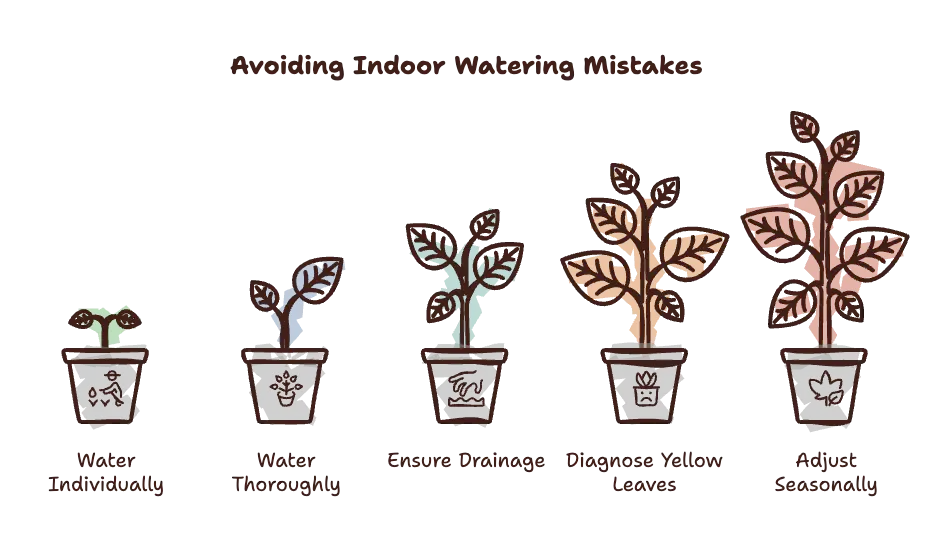
Even experienced plant owners occasionally make watering errors. Some of the most common include:
- Watering every plant on the same day regardless of its needs.
- Giving small amounts of water instead of watering thoroughly.
- Ignoring drainage holes and allowing water to collect at the bottom of decorative pots.
- Assuming yellow leaves always mean the plant is dry, when overwatering is often the real cause.
- Forgetting to adjust watering during seasonal changes.
Build a Flexible Watering Habit
Instead of setting reminders to water every seven days, develop the habit of checking your plants regularly. Spend a few minutes each week feeling the soil, lifting pots to judge their weight, and observing new growth. You'll soon notice that every plant develops its own rhythm.
With a little practice, you'll stop relying on a fixed schedule and start responding to what your plants actually need. That simple shift is one of the most effective ways to keep indoor plants healthy, vibrant, and growing year-round.
How Often to Water Outdoor Plants
Outdoor plants experience changing weather, direct sunlight, wind, and natural rainfall, making their watering needs far less predictable than those of indoor plants. While nature often lends a helping hand, it's not always enough to keep plants healthy, especially during periods of intense heat or prolonged dry weather.
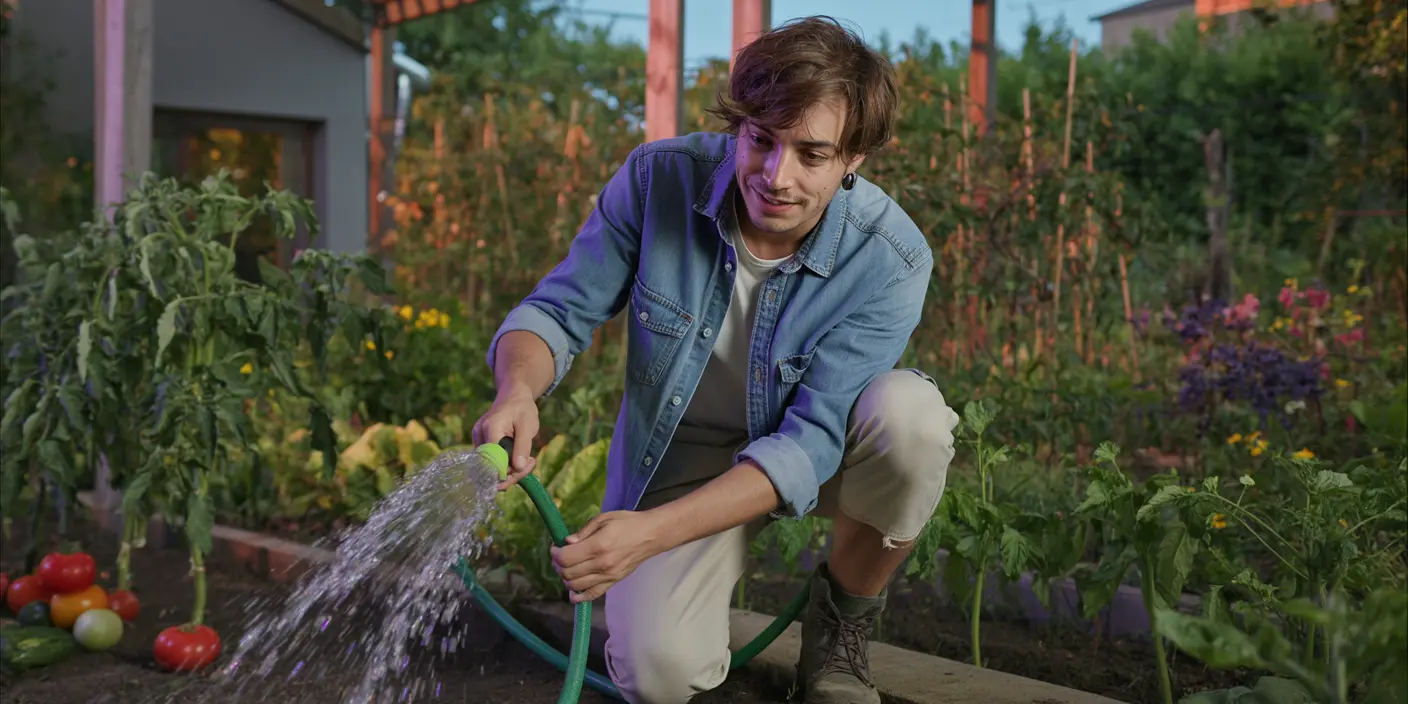
Rather than following a fixed watering schedule, successful gardeners pay attention to recent rainfall, soil moisture, temperatures, and the specific needs of each plant. A week of steady rain may eliminate the need for watering altogether, while a few days of scorching sunshine can dry the soil surprisingly quickly.
The key is learning how different outdoor plants use water and adjusting your routine as conditions change.
Garden Plants
Established garden plants generally need about 1 inch (2.5 cm) of water per week, whether it comes from rainfall, irrigation, or a combination of both. This amount encourages strong, healthy root development without keeping the soil constantly saturated.
During particularly hot or windy weather, you may need to water more frequently, especially if the soil dries out quickly.
Flower Beds
Flowering annuals tend to require more consistent moisture than many other garden plants because they continuously produce blooms throughout the growing season. During warm weather, many flower beds benefit from deep watering two to three times per week, depending on rainfall and soil conditions.
Perennial flowers are often more drought tolerant once established but still appreciate regular watering during extended dry spells.
Shrubs
Newly planted shrubs need frequent watering while their roots become established. For the first several weeks after planting, they may require water every few days.
Once established, most shrubs only need deep watering every one to two weeks, although sandy soils and extreme heat may require more frequent irrigation.
Trees
Young trees require regular deep watering to develop strong root systems. Depending on weather conditions, newly planted trees often need watering once or twice each week during their first growing season.
Mature trees rarely require frequent watering unless drought conditions persist. When they do need water, it's better to water deeply and slowly rather than giving frequent shallow drinks.
Raised Garden Beds
Raised beds usually dry out faster than traditional in-ground gardens because they have excellent drainage and are exposed on multiple sides.
During the peak of summer, raised beds may require watering every day or every other day, especially when growing thirsty vegetables such as tomatoes, cucumbers, lettuce, peppers, or squash.
Regular soil checks help prevent both underwatering and unnecessary watering.
Outdoor Containers
Plants growing in containers face the greatest risk of drying out because pots hold a limited amount of soil.
Small pots sitting in full sun can sometimes require daily watering during hot summer weather, while larger containers may only need water every few days. Hanging baskets are particularly vulnerable because they receive constant airflow and often dry out faster than ground-level containers.
Checking the soil daily during periods of extreme heat is often the best approach.
Consider the Weather Before Watering
Rainfall is one of the biggest factors affecting outdoor watering.

Before reaching for the hose, consider questions like:
- Has it rained recently?
- How deeply did the rain soak the soil?
- Are high temperatures expected today?
- Has the wind been unusually strong?
- Is the soil still moist beneath the surface?
A quick soil check often tells you far more than the weather forecast alone.
Water Deeply Instead of Frequently
Many gardeners make the mistake of watering lightly every day. While this wets the soil surface, it often encourages shallow root growth, making plants more vulnerable to heat and drought.
Deep watering allows moisture to reach the lower root zone, encouraging roots to grow downward where the soil stays cooler and retains water longer. Plants with deeper root systems are generally healthier, stronger, and more drought resistant.
The Best Time to Water Outdoor Plants
Early morning is widely considered the best time to water outdoor plants. Cooler temperatures allow water to soak into the soil before much of it evaporates, giving plants plenty of moisture to use throughout the day.
Evening watering is usually acceptable when mornings aren't possible, but leaving foliage wet overnight can increase the risk of fungal diseases for certain plants. Midday watering is generally the least efficient because much of the moisture evaporates before reaching the roots.
Let Nature Be Your Guide
Successful outdoor watering isn't about sticking to a calendar, it's about responding to changing conditions. Healthy soil, deep root systems, and regular moisture checks will always outperform a rigid watering routine.
By observing your garden, paying attention to the weather, and learning the needs of each plant, you'll provide just the right amount of water to encourage steady growth, stronger roots, and abundant flowers, fruits, and foliage throughout the growing season.
Watering Guide by Plant Type
No matter how experienced you are with plants, one rule always holds true: different plants have different watering needs. A schedule that keeps a peace lily lush could quickly kill a cactus, while watering a fern like a succulent would leave it dry and struggling.
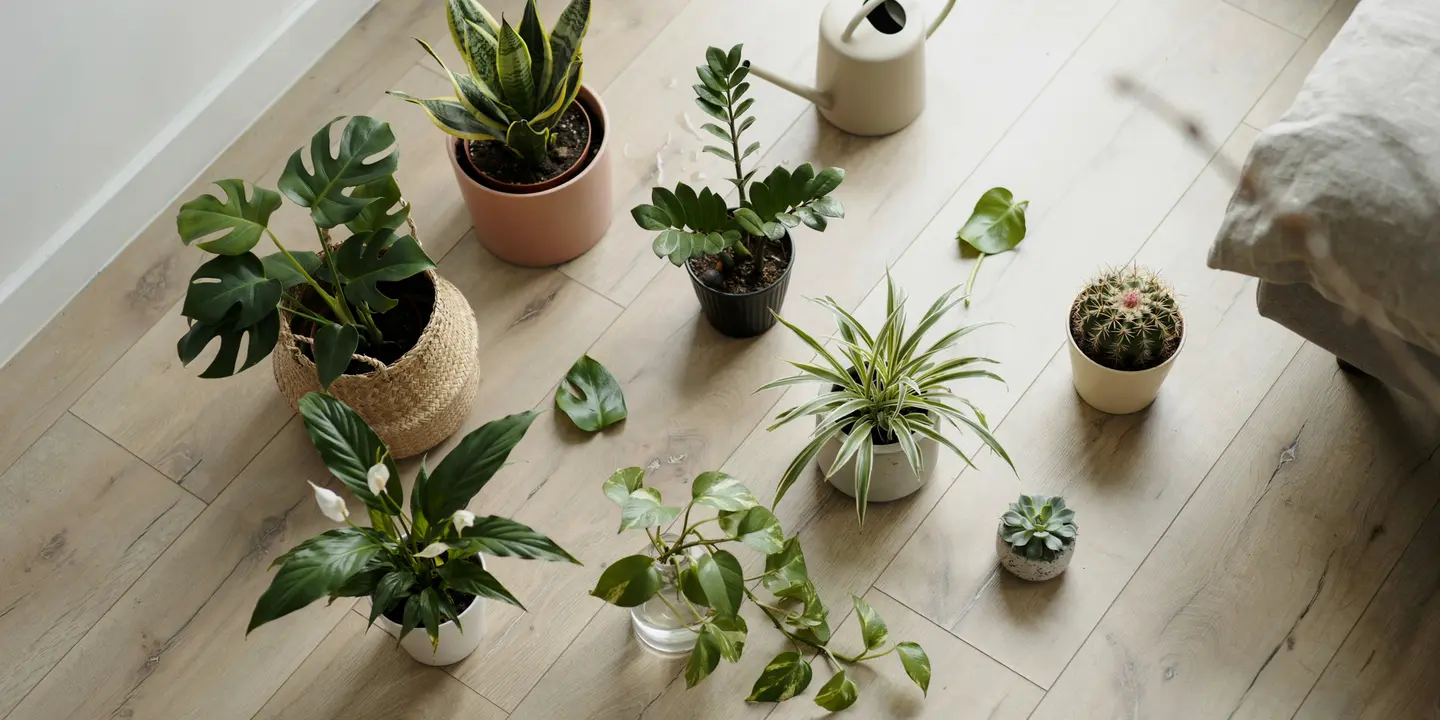
Use the following guide as a starting point. Remember that temperature, humidity, sunlight, pot size, and soil type will always influence exactly how often your plants need water.
Succulents
Succulents are designed to survive long periods without rain by storing water in their thick, fleshy leaves. They prefer a "soak and dry" approach, meaning the soil should dry out completely before you water again.
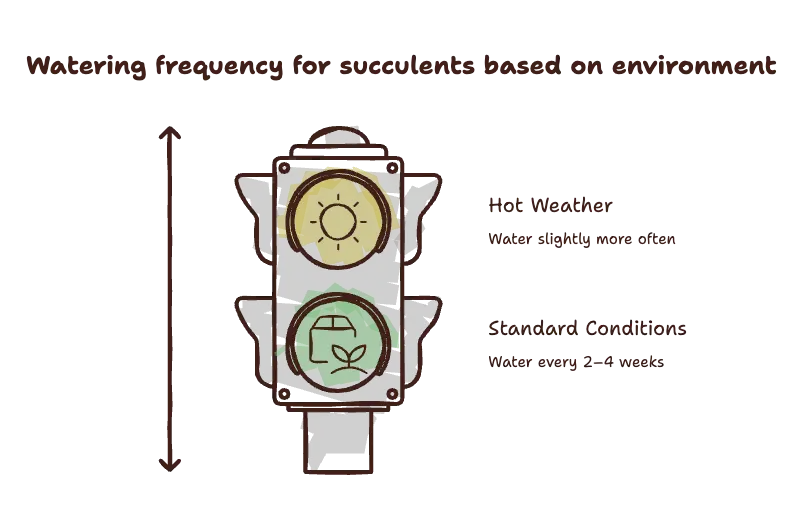
Typical watering frequency:
- Every 2–4 weeks indoors
- Slightly more often outdoors during very hot weather
Watering tip: Always water deeply, then allow the soil to dry completely before the next watering.
Cacti
Cacti are among the most drought-tolerant plants you can grow. Their roots dislike constantly wet soil, making overwatering their biggest enemy.
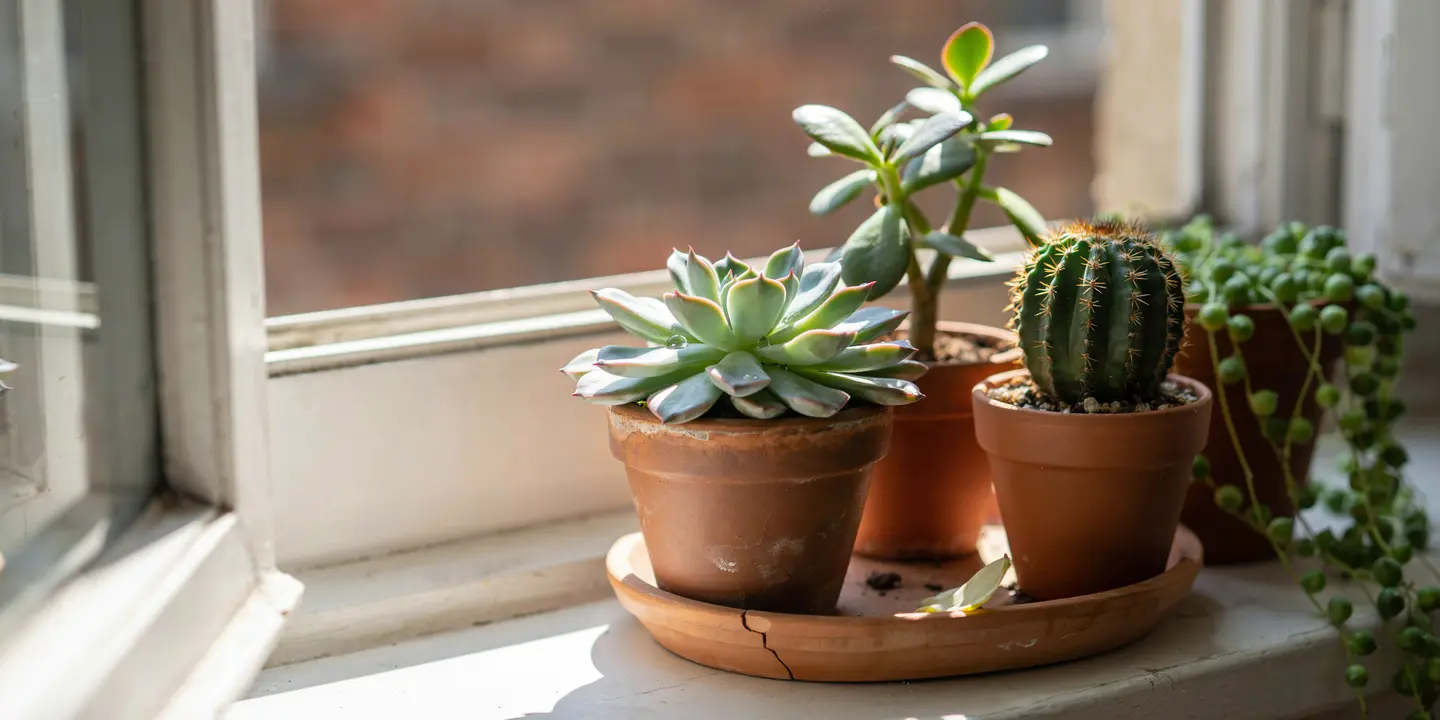
Typical watering frequency:
- Every 3–4 weeks during spring and summer
- Every 4–8 weeks during winter, depending on conditions
Watering tip: Use a fast-draining cactus mix and never let the pot sit in standing water.
Snake Plants
Snake plants are famous for being low-maintenance. Their thick leaves store moisture, allowing them to go weeks without additional water.
Typical watering frequency:
- Every 2–4 weeks
- Less often during winter
Watering tip: When in doubt, wait another few days before watering.
Pothos
Pothos are adaptable houseplants that enjoy slightly moist soil but don't like sitting in water.
Typical watering frequency:
- Every 7–10 days during active growth
- Every 10–14 days during cooler months
Watering tip: Allow the top 1–2 inches of soil to dry before watering again.
Monstera
Monsteras grow quickly during spring and summer and appreciate consistent moisture without becoming waterlogged.
Typical watering frequency:
- Every 7–10 days in warm weather
- Every 2–3 weeks during winter
Watering tip: Water thoroughly whenever the top few inches of soil feel dry.
Peace Lily
Peace lilies enjoy evenly moist soil and are well known for dramatically drooping when they become thirsty.
Typical watering frequency:
- About once a week
- Slightly more often in warm, dry homes
Watering tip: Don't wait until the plant repeatedly wilts. Water when the top inch of soil feels dry.
Spider Plant
Spider plants prefer lightly moist soil but can tolerate short periods of dryness.
Typical watering frequency:
- Every 7–10 days
- Slightly less during winter
Watering tip: Empty excess water from decorative pots to prevent root problems.
ZZ Plant
ZZ plants store water in underground rhizomes, making them extremely forgiving if you occasionally forget to water.
Typical watering frequency:
- Every 2–4 weeks
Watering tip: These plants almost always perform better with too little water than too much.
Ferns
Most ferns naturally grow in humid forests where the soil remains consistently moist.
Typical watering frequency:
- Every 3–7 days, depending on humidity
Watering tip: Keep the soil evenly moist but never soggy. Increasing humidity often benefits ferns more than simply watering more frequently.
Orchids
Orchids are unique because many varieties grow attached to trees instead of in soil. Their bark-based growing medium dries much faster than traditional potting mix.
Typical watering frequency:
- Every 7–10 days
- Less often during winter
Watering tip: Water thoroughly, then allow the bark to become almost dry before watering again.
Herbs
Herbs vary widely in their watering preferences.
Moisture-loving herbs:
- Basil
- Parsley
- Cilantro
These usually need watering every 3–7 days, depending on conditions.
Drought-tolerant herbs:
- Rosemary
- Thyme
- Sage
- Oregano
These prefer the soil to dry between waterings and often only need water every 7–14 days.
Watering tip: Group herbs with similar watering needs together whenever possible.
Vegetables
Vegetables require steady moisture to produce healthy roots, leaves, flowers, and fruit.
Typical watering frequency:
- Deep watering 2–3 times per week
- More often during heat waves
Tomatoes, cucumbers, peppers, squash, and leafy greens generally need more consistent watering than drought-tolerant vegetables.
Watering tip: Water at the base of the plant instead of wetting the leaves whenever possible.
Flowering Annuals
Annual flowers bloom continuously throughout the growing season, making them relatively thirsty plants.
Typical watering frequency:
- Two to three times per week
- Daily for container-grown flowers during extreme heat
Watering tip: Mulch around flower beds to help retain soil moisture.
Flowering Perennials
Once established, most perennial flowers develop deeper roots than annuals and become more drought tolerant.
Typical watering frequency:
- About once each week during dry weather
- Less often when rainfall is sufficient
Watering tip: Deep watering encourages stronger roots and healthier blooms year after year.
Quick Reference Watering Guide
Plant Type | Typical Watering Frequency |
Succulents | Every 2–4 weeks |
Cacti | Every 3–4 weeks |
Snake Plant | Every 2–4 weeks |
Pothos | Every 7–10 days |
Monstera | Every 7–10 days |
Peace Lily | About once a week |
Spider Plant | Every 7–10 days |
ZZ Plant | Every 2–4 weeks |
Ferns | Every 3–7 days |
Orchids | Every 7–10 days |
Herbs | Every 3–14 days (depending on variety) |
Vegetables | 2–3 deep waterings per week |
Flowering Annuals | 2–3 times per week |
Flowering Perennials | About once per week during dry weather |
These recommendations are excellent starting points, but no watering guide can replace observing your own plants. Make it a habit to check the soil before watering, monitor how quickly it dries under your home's conditions, and adjust your routine as the seasons change. Over time, you'll develop an instinct for each plant's needs, making healthy growth feel less like guesswork and more like second nature.
Seasonal Watering Guide
One of the easiest ways to improve your plant care routine is to adjust your watering habits with the seasons. Plants don't use the same amount of water all year long. Changes in temperature, sunlight, humidity, and growth cycles all influence how quickly the soil dries out and how much moisture your plants actually need.
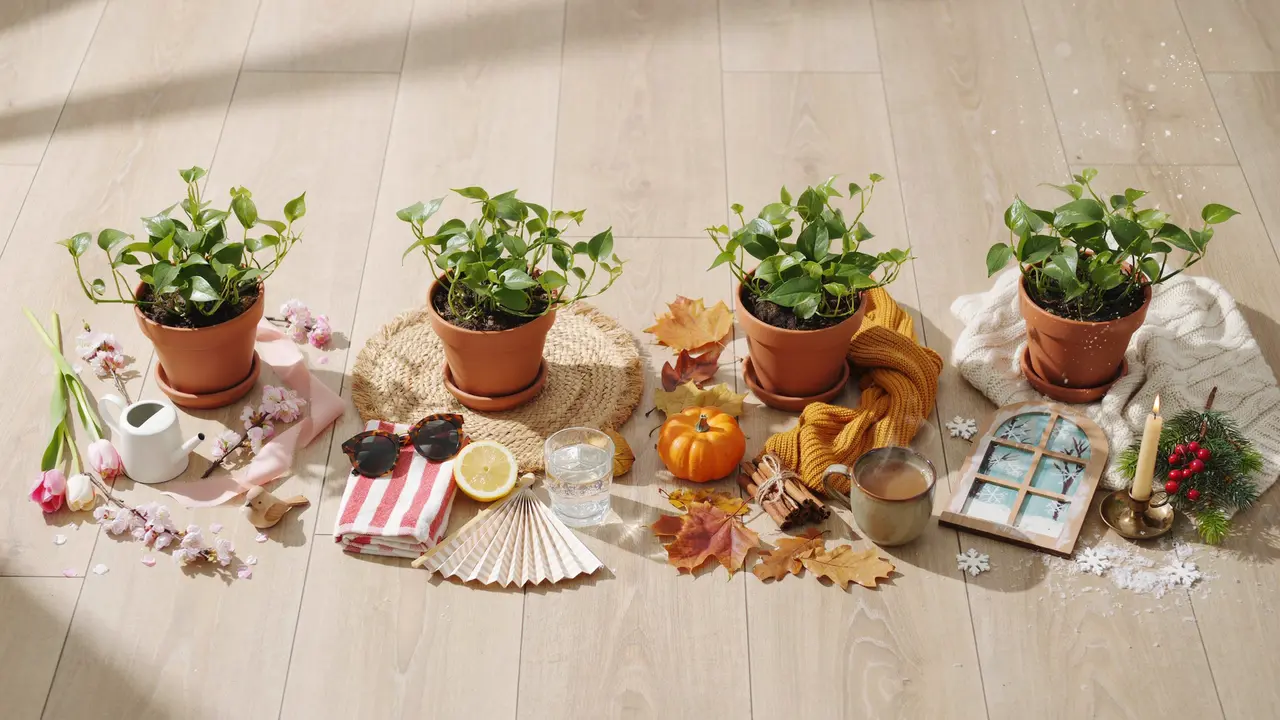
Many watering problems happen because people continue using the same routine month after month. A schedule that works perfectly in the middle of summer can easily lead to overwatering during winter. By understanding how each season affects plant growth, you'll know when to water more, when to water less, and when to simply let nature take its course.
Spring
Spring marks the beginning of the growing season for many plants. As temperatures rise and daylight hours increase, plants wake up from their winter dormancy and begin producing fresh leaves, stronger roots, and new stems.
Because growth accelerates during this time, plants naturally require more water than they did during winter.
During spring:
- Check soil moisture more frequently.
- Gradually increase watering as growth resumes.
- Begin fertilizing if appropriate for your plant.
- Watch for new leaves, which often signal increased water demand.
Outdoor gardens also begin to dry out faster as rainfall patterns change and warmer days become more common.
Spring tip: Avoid jumping immediately to heavy watering. Increase gradually as your plants become more active.
Summer
Summer is typically the most demanding season for plant watering. Higher temperatures, stronger sunlight, longer days, and increased evaporation all contribute to faster soil drying.
Outdoor plants often require significantly more attention during hot weather, especially those growing in containers or raised beds.
During summer:
- Water deeply instead of lightly.
- Check container plants daily during heat waves.
- Water early in the morning whenever possible.
- Add mulch around outdoor plants to reduce evaporation.
- Monitor newly planted flowers, vegetables, shrubs, and trees closely.
Indoor plants located near sunny windows may also require more frequent watering than they did during spring.
Summer tip: A plant may need watering much sooner during a week of extreme heat than during a mild summer week. Always check the soil rather than relying on a fixed schedule.
Autumn (Fall)
As autumn arrives, temperatures begin to cool and daylight hours become shorter. Many plants naturally slow their growth in preparation for winter, reducing the amount of water they consume.
This is the time when many gardeners accidentally overwater by continuing their summer routine.
During autumn:
- Begin reducing watering frequency.
- Continue checking soil before watering.
- Remove dead leaves and spent flowers.
- Prepare outdoor plants for cooler weather.
Houseplants often continue growing indoors but at a slower pace than during the warmer months.
Autumn tip: If the soil remains damp longer than it did in summer, wait until it dries appropriately before watering again.
Winter
Winter is when most indoor and outdoor plants require the least amount of water. Lower temperatures, shorter days, and slower growth mean the soil remains moist much longer.
Many houseplants enter a resting period during winter, while outdoor plants may become dormant altogether.
During winter:
- Water only when the soil has dried sufficiently.
- Expect longer periods between waterings.
- Keep plants away from heating vents that can dry them out.
- Avoid leaving roots in cold, waterlogged soil.
Succulents, cacti, snake plants, and ZZ plants often require very little water during this season.
Tropical plants may still need occasional watering, but almost always less frequently than during summer.
Winter tip: Overwatering is the leading cause of winter plant problems. When conditions are cool and growth slows, patience is often better than reaching for the watering can.
How the Seasons Affect Different Plant Types
Not every plant responds to seasonal changes in the same way.
- Succulents and cacti dramatically reduce their water needs during winter.
- Tropical houseplants continue growing indoors but generally consume less water.
- Vegetable gardens often need daily attention during summer but little to none once the growing season ends.
- Flowering annuals require regular watering while blooming but are usually removed after the season.
- Established trees and shrubs become increasingly drought tolerant once fully rooted and often rely primarily on natural rainfall.
Understanding your specific plant type helps you make even better watering decisions throughout the year.
Let the Seasons Guide Your Watering Routine
Instead of following the same schedule every month, allow the seasons to shape your watering habits. Think of watering as a flexible routine rather than a fixed rule.
As a simple reminder:
- Spring: Gradually increase watering.
- Summer: Water more often and more deeply.
- Autumn: Slowly reduce watering.
- Winter: Water sparingly and only when needed.
By adapting your routine throughout the year, you'll reduce the risk of overwatering, encourage stronger root systems, and help your plants stay healthy no matter the season. The more closely your watering habits match your plant's natural growth cycle, the easier it becomes to maintain thriving indoor and outdoor gardens year after year.
Morning vs Evening: What Is the Best Time to Water Plants?
Knowing how often to water your plants is only part of the equation. When you water can also make a noticeable difference to your plant's health. While most plants can survive being watered at different times of the day, choosing the right time helps reduce water waste, encourages stronger growth, and lowers the risk of disease.
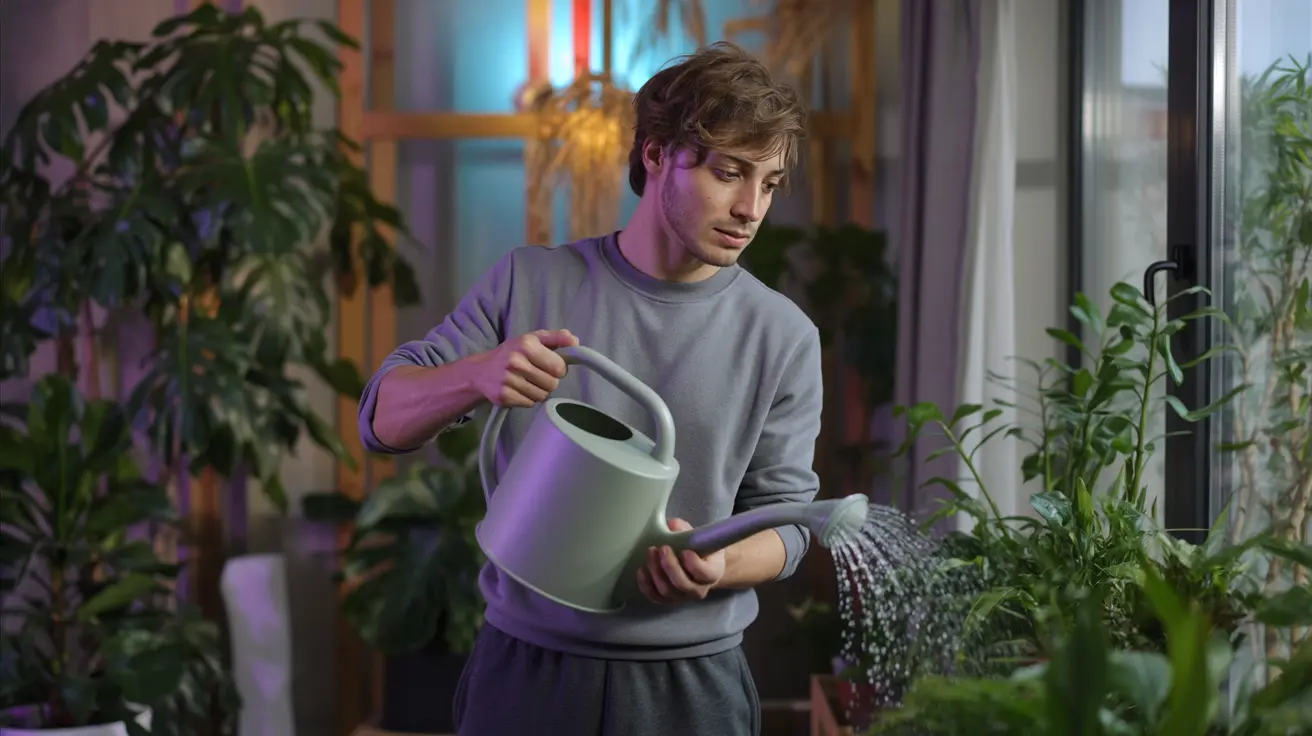
So, is it better to water plants in the morning or the evening? For most situations, the answer is simple: early morning is the best time to water plants.
Why Morning Is the Best Time to Water Plants
Watering early in the morning, ideally between sunrise and mid-morning, gives your plants the best possible start to the day.
During the cooler morning hours, water has time to soak deep into the soil before the sun becomes intense. Plant roots can absorb moisture efficiently, providing the water needed to support photosynthesis and healthy growth throughout the day.
Morning watering also offers several important benefits:
- Less water is lost through evaporation.
- Roots receive moisture before the hottest part of the day.
- Leaves that become wet have plenty of time to dry, reducing the risk of fungal diseases.
- Plants are better prepared to handle afternoon heat and sunlight.
- Water reaches deeper into the soil instead of evaporating from the surface.
Whether you're watering houseplants on a sunny windowsill or tending to an outdoor vegetable garden, morning watering is generally the safest and most effective choice.
Is It Okay to Water Plants in the Evening?
Yes, evening watering is perfectly acceptable if mornings aren't practical.
In fact, many gardeners successfully water in the early evening, especially during extremely hot summers when daytime temperatures remain high.
However, there are a few drawbacks to keep in mind.
When water remains on leaves overnight, cooler temperatures and slower evaporation can create favorable conditions for fungal diseases, mildew, and certain bacterial infections. This risk is greater for dense plants with limited airflow.
If you water in the evening:
- Aim for the early evening rather than late at night.
- Water the soil instead of soaking the leaves.
- Avoid leaving standing water around the base of plants.
- Ensure plants have good air circulation.
For most healthy plants, occasional evening watering isn't harmful, it's simply not quite as ideal as watering in the morning.
Should You Water Plants During the Middle of the Day?
Many people have heard that watering plants during the hottest part of the day will "burn" the leaves because water droplets act like tiny magnifying glasses.
In reality, this is largely a gardening myth. Water droplets generally do not burn healthy leaves under normal conditions.
The real issue with midday watering is efficiency.
During hot, sunny afternoons:
- Water evaporates much faster.
- Soil dries more quickly.
- Plants may experience temporary stress from intense heat.
- More water is required to achieve the same level of soil moisture.
While watering during the day won't usually harm your plants, it's less efficient because more of the water is lost before it reaches the roots.
If your plants are clearly wilting during a heat wave, don't wait until evening. Giving them water immediately is far better than allowing them to suffer from prolonged dehydration.
Indoor Plants Follow Similar Rules
Houseplants aren't exposed to direct weather, but timing still matters.
Morning watering works well because it allows excess moisture to drain away during the day, reducing the chance of constantly damp soil.
If you water indoor plants in the evening, make sure decorative pots or saucers aren't holding standing water overnight.
For most houseplants, consistency is more important than the exact hour of the day.
Special Situations
Some growing conditions require slight adjustments to your watering routine.
During Heat Waves
Plants may need watering earlier than usual, and container plants might even require a second watering later in the day if the soil dries out completely.
During Drought
Focus on deep watering less frequently rather than shallow watering every day. This encourages roots to grow deeper into the soil where moisture lasts longer.
Newly Planted Flowers, Trees, and Shrubs
Young plants have smaller root systems and often need more frequent watering while they become established. Water early in the day whenever possible to reduce transplant stress.
Rainy Weather
If rain has already provided enough moisture, skip watering altogether. Always check the soil before adding more water.
The Best Watering Schedule Is One That Fits Your Plants
Although early morning is generally considered the ideal time to water, the most important factor is ensuring your plants receive the right amount of moisture when they actually need it.
If your only opportunity is after work in the evening, that's still far better than letting your plants remain dry for days. Healthy watering habits are built on observing your plants, checking the soil regularly, and adjusting your routine to suit the weather, the season, and the needs of each individual plant.
In the end, successful watering isn't about following strict rules, it's about giving your plants consistent care at the time that works best for both them and you.
How to Tell When Your Plant Actually Needs Water
One of the best habits any plant owner can develop is learning to recognize when a plant genuinely needs water. Instead of watering because it's "watering day," successful gardeners pay attention to the soil and the plant itself. This simple change dramatically reduces the risk of overwatering and underwatering.
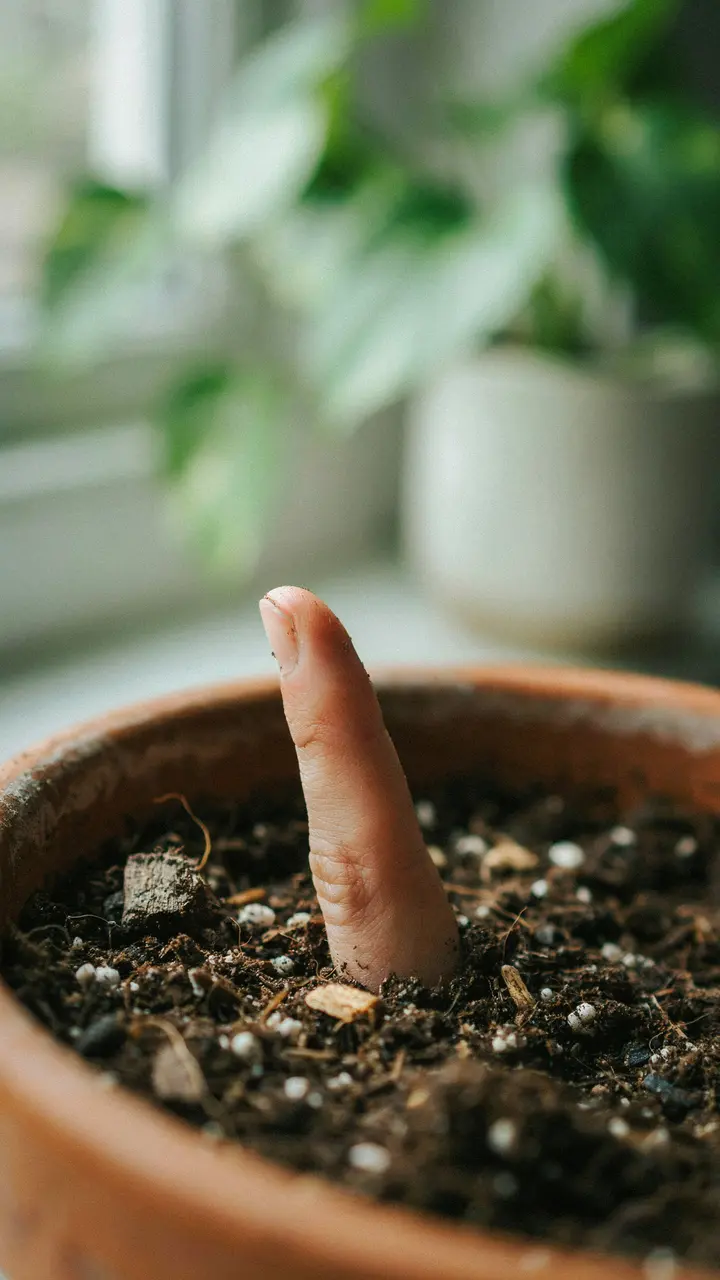
Fortunately, you don't need expensive equipment or years of gardening experience to know when it's time to water. A few easy techniques can help you make confident decisions and keep your plants healthy all year long.
The Finger Test
The finger test is one of the simplest and most reliable ways to check soil moisture.
Insert your finger about 1–2 inches (2.5–5 cm) into the soil.
- If the soil feels dry at that depth, it's usually time to water.
- If it still feels cool and moist, wait another day or two before checking again.
For larger outdoor plants, you may need to check slightly deeper since moisture often remains below the surface.
This method only takes a few seconds and quickly becomes second nature.
Use a Wooden Chopstick or Skewer
If you don't want to use your finger, a wooden chopstick, bamboo skewer, or even an untreated wooden pencil works surprisingly well.
Push it several inches into the soil, then pull it back out.
- If the wood comes out clean and dry, the soil likely needs water.
- If it comes out darkened with damp soil sticking to it, there's still enough moisture available.
This method is especially useful for deep pots where the surface may look dry while the lower soil remains wet.
Lift the Pot
Experienced indoor gardeners often judge watering needs simply by lifting the pot.
A freshly watered plant feels noticeably heavier because the soil contains plenty of moisture. As the soil dries, the container becomes much lighter.
After lifting your plants a few times before and after watering, you'll begin to recognize the difference without even checking the soil.
This is one of the fastest ways to assess moisture levels for small and medium-sized houseplants.
Use a Moisture Meter
A moisture meter provides a quick reading of the soil's moisture level using a simple probe inserted into the pot.
While not essential, these inexpensive tools can be helpful for beginners or for large collections of houseplants.
Keep in mind that moisture meters work best when used as a guide rather than the only deciding factor. It's still important to observe your plants and understand their natural watering preferences.
Observe the Soil
Healthy soil gives plenty of visual clues.
Dry soil often:
- Appears lighter in color.
- Pulls away slightly from the edges of the pot.
- Feels loose and crumbly.
- Produces little or no moisture when squeezed.
Moist soil usually:
- Appears darker.
- Feels cool to the touch.
- Holds together more easily.
- Clings lightly to your finger.
Learning to recognize these differences helps you make better watering decisions.
Watch Your Plant's Leaves
Plants often communicate their needs long before serious damage occurs.
Signs a plant may need water include:
- Slight drooping.
- Soft or limp leaves.
- Curling leaf edges.
- Leaves losing firmness.
- Slower growth.
- Flowers beginning to wilt.
However, remember that drooping leaves don't always mean the plant is thirsty. Overwatered plants can droop too, which is why checking the soil is always important before watering.
Pay Attention to the Season
Your plant's watering needs naturally change throughout the year.
During spring and summer, active growth means plants usually consume water more quickly.
In autumn and winter, cooler temperatures and slower growth often allow the soil to stay moist for much longer.
A plant that needed water every week in July might only require watering every two or three weeks during winter.
Always let the soil, not the calendar, tell you when it's time.
Consider Your Plant's Environment
Two identical plants can have completely different watering schedules depending on where they grow.
Ask yourself:
- Is the plant receiving direct sunlight?
- Is it near a heater or air conditioner?
- Does the room have low humidity?
- Is the pot made of terracotta or plastic?
- Is there good drainage?
These environmental factors often explain why one plant dries out much faster than another.
Build the Habit of Checking, Not Guessing
Instead of watering automatically every weekend, spend a few minutes checking each plant individually. Feel the soil, observe the leaves, and notice the weight of the pot. These quick observations provide far more accurate information than any fixed schedule ever could.
Over time, you'll begin to recognize each plant's unique rhythm. Some will consistently need water every week, while others may happily go several weeks between waterings. By responding to what your plants are actually telling you, you'll develop healthier watering habits, avoid common mistakes, and give your plants exactly what they need to grow strong and vibrant.
Signs You're Overwatering Your Plants
If there's one mistake that causes more plant problems than any other, it's overwatering. Many people assume that giving a plant more water means giving it more care, but the opposite is often true. Plants need oxygen around their roots just as much as they need moisture. When the soil stays constantly wet, those air pockets disappear, making it difficult for roots to breathe. Over time, this can lead to root rot, fungal diseases, and even the death of an otherwise healthy plant.
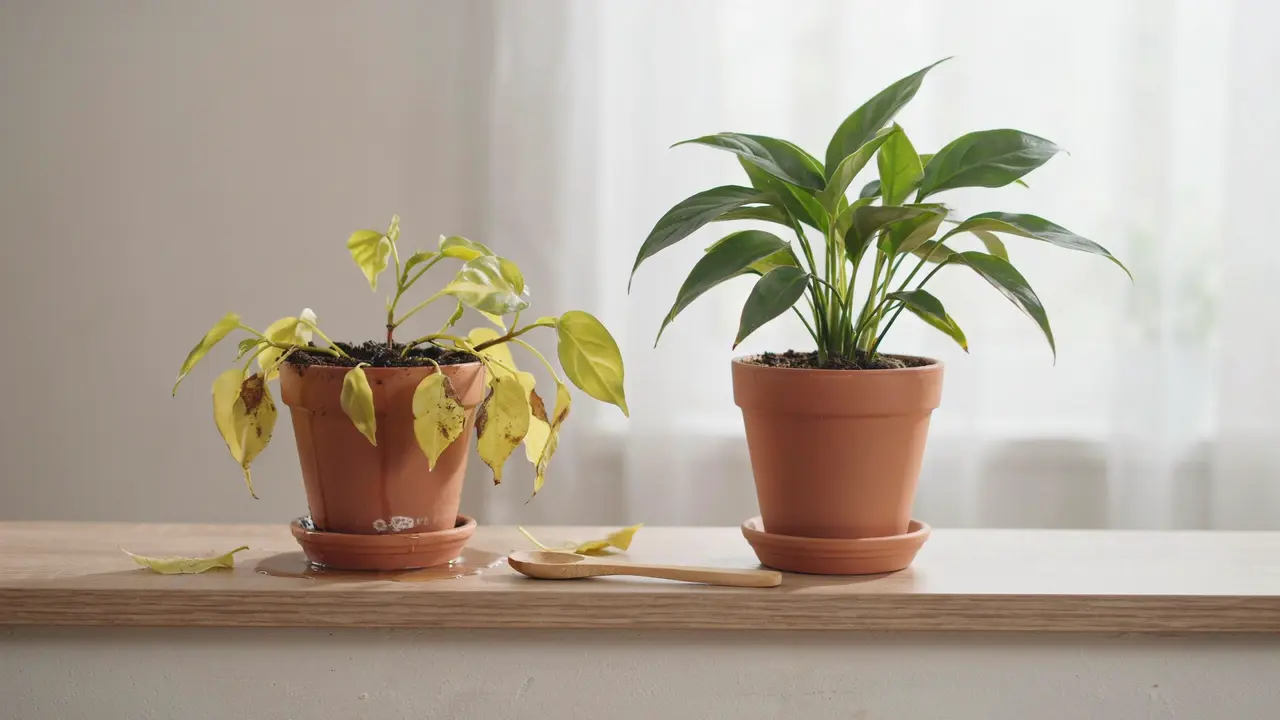
The tricky part is that overwatered plants often look thirsty. Their leaves may droop or turn yellow, leading many people to add even more water and unintentionally make the problem worse. Learning to recognize the signs of overwatering can help you act quickly before lasting damage occurs.
Yellow Leaves
One of the earliest and most common symptoms of overwatering is yellowing leaves.
Unlike the natural yellowing that occurs as older leaves age, overwatering often causes several leaves to turn yellow at the same time. The leaves may feel soft, swollen, or slightly translucent rather than dry and crispy.
If the soil is consistently wet and the leaves are turning yellow, excessive watering is a likely cause.
Wilting Even Though the Soil Is Wet
This is one of the most confusing symptoms for beginners.
When roots remain surrounded by water for too long, they begin to lose access to oxygen. Damaged roots can no longer absorb water efficiently, causing the plant to wilt, even though there's plenty of moisture in the soil.
Before watering a drooping plant, always check whether the soil is actually dry. Wet soil combined with wilting usually points toward overwatering rather than underwatering.
Soft, Mushy Stems
Healthy stems should feel firm and support the plant naturally.
When stems become soft, mushy, or begin collapsing, excess moisture may have started damaging plant tissue. This is especially common in succulents, cacti, and other plants that are adapted to dry conditions.
If caught early, reducing watering and improving drainage may save the plant.
Root Rot
Root rot is one of the most serious consequences of chronic overwatering.
Healthy roots are usually white or light tan and feel firm. Rotting roots often appear:
- Dark brown or black.
- Soft and mushy.
- Slimy to the touch.
- Accompanied by an unpleasant, sour smell.
Because root rot develops below the soil surface, it often goes unnoticed until the plant begins declining rapidly.
If you suspect root rot, gently remove the plant from its pot and inspect the roots. Trimming damaged roots and repotting in fresh, well-draining soil can sometimes prevent further damage.
Mold Growing on the Soil
A constantly damp soil surface creates ideal conditions for mold growth.
You may notice:
- White fuzzy patches.
- Green algae.
- Gray mold.
- A musty smell around the pot.
While small amounts of surface mold aren't always harmful, they usually indicate that the soil is remaining wet for too long.
Improving airflow and allowing the soil to dry more between waterings often solves the problem.
Fungus Gnats
Tiny black insects flying around your houseplants are often fungus gnats.
These pests lay their eggs in moist soil, and their larvae thrive in constantly wet growing conditions.
While adult gnats are mostly a nuisance, large infestations can stress young plants and indicate that your watering routine needs adjustment.
Allowing the soil to dry appropriately between waterings usually helps reduce their population.
Leaves Falling Off
Overwatered plants sometimes begin dropping healthy-looking leaves without much warning.
Unlike drought-related leaf drop, which is usually accompanied by dry, crispy foliage, overwatered leaves often remain soft and green before falling.
Sudden leaf loss combined with soggy soil is another strong sign that roots are receiving too much moisture.
Slow or Stunted Growth
Plants suffering from excessive watering often stop producing healthy new growth.
Instead of developing vibrant leaves and strong stems, growth becomes sluggish as damaged roots struggle to absorb oxygen and nutrients.
If your plant hasn't grown in weeks despite receiving plenty of light and fertilizer, the watering routine may be worth reviewing.
How to Fix an Overwatered Plant
If you catch the problem early, many overwatered plants can recover.
Here are a few simple steps:
- Stop watering until the soil has dried appropriately.
- Empty any standing water from saucers or decorative pots.
- Move the plant to a location with better airflow and indirect light.
- Check that the container has proper drainage holes.
- Consider repotting if the soil remains saturated for long periods.
- Trim any rotten roots before replanting in fresh, well-draining soil.
Avoid adding fertilizer until the plant begins recovering, as damaged roots are more sensitive to excess nutrients.
Prevention Is Always Easier Than Recovery
The easiest way to avoid overwatering is to make soil checks part of your routine. Before reaching for the watering can, insert your finger into the soil, lift the pot to judge its weight, or use a moisture meter if needed. Remember that plants generally recover more easily from being slightly dry than from sitting in constantly waterlogged soil.
By learning these warning signs and watering only when your plants truly need it, you'll create healthier roots, stronger growth, and a much lower risk of disease. In the long run, thoughtful watering is one of the most valuable skills any plant owner can develop.
Signs Your Plants Need More Water
While overwatering is one of the most common causes of plant problems, underwatering can be just as damaging if left unchecked. Plants rely on water to transport nutrients, maintain strong cell structure, support photosynthesis, and fuel healthy growth. When moisture becomes scarce, they begin showing visible signs of stress.
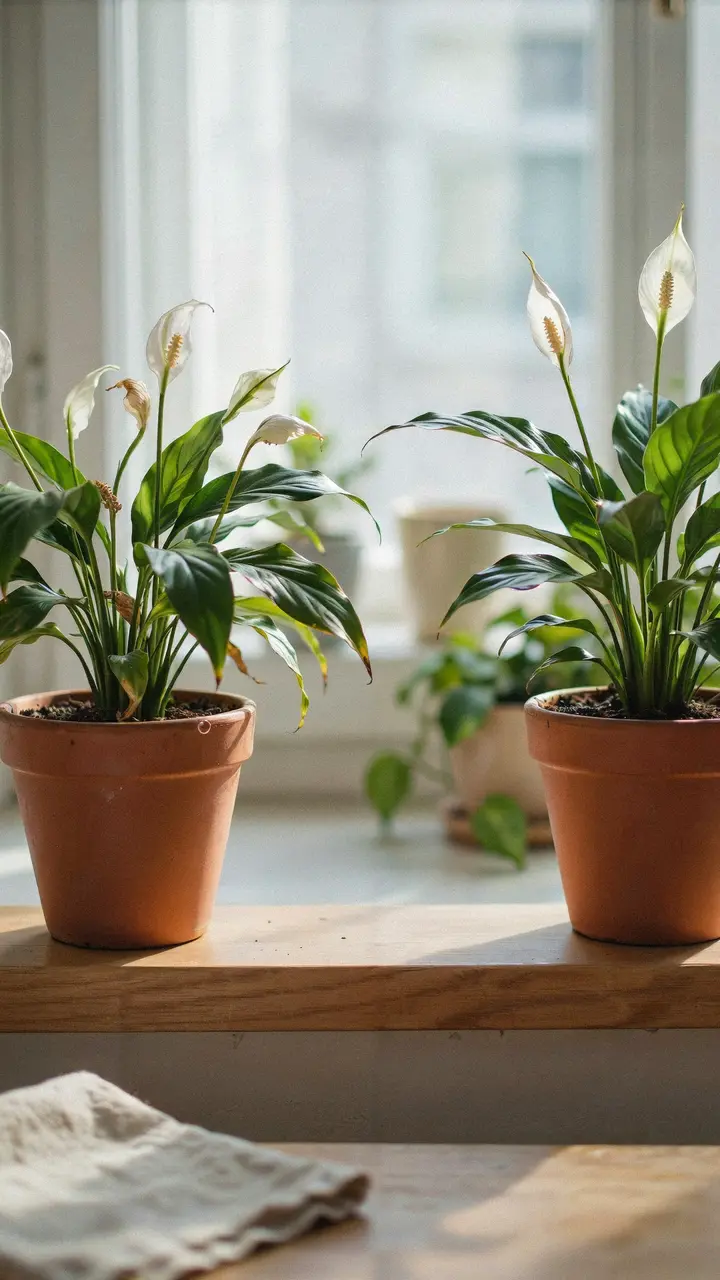
The good news is that many underwatered plants recover quickly once they receive a proper watering. The key is recognizing the warning signs early, before prolonged dehydration causes permanent damage.
It's important to remember that these symptoms should always be considered alongside a soil check. Some signs of underwatering can resemble overwatering, so confirming that the soil is actually dry helps you make the right decision.
Dry Soil
The most obvious sign that a plant needs water is dry soil.
If you insert your finger 1–2 inches into the soil and it feels completely dry, it's usually time to water. In severe cases, the soil may become so dry that it pulls away from the sides of the pot, leaving visible gaps.
Outdoor soil may also appear dusty, cracked, or crumbly after extended periods without rain.
Checking the soil is always more reliable than relying on the calendar.
Wilting Leaves
One of the earliest signs of dehydration is wilting.
Without enough water, plant cells lose pressure, causing leaves and stems to become limp or droopy. Many plants regain their firmness within a few hours after a thorough watering, provided they haven't been left dry for too long.
However, remember that wilting can also be a symptom of overwatering. Always check the soil before assuming your plant is thirsty.
Brown, Crispy Leaf Edges
Dry, crunchy leaf tips and brown edges are common signs that a plant isn't receiving enough moisture.
This symptom is especially common in tropical houseplants that naturally prefer higher humidity and consistently moist soil.
While low humidity can also contribute to crispy edges, dry soil is often the primary cause.
Curling Leaves
Many plants respond to drought by curling or folding their leaves inward.
This natural response helps reduce the amount of water lost through transpiration by decreasing the leaf's exposed surface area.
If you notice leaves beginning to curl and the soil is dry, it's usually a strong indication that watering is needed.
Slow or Stunted Growth
Plants require water to transport nutrients from the soil and produce new leaves, stems, flowers, and fruit.
When water becomes limited, growth naturally slows as the plant shifts its energy toward survival instead of expansion.
If your plant seems healthy but hasn't produced new growth in a long time, inconsistent watering may be part of the problem.
Dropping Leaves or Flowers
Many plants shed leaves, buds, or flowers when they become stressed by a lack of water.
Flowering plants may drop unopened buds before they bloom, while vegetables may produce smaller fruit or stop flowering altogether.
Regular, consistent watering helps reduce this type of stress and supports healthier growth throughout the season.
Lightweight Pots
If you grow houseplants in containers, the weight of the pot can provide valuable clues.
As the soil dries, the pot becomes significantly lighter. After watering, it feels much heavier because the soil is holding moisture.
With practice, simply lifting the pot becomes one of the quickest ways to estimate whether your plant needs water.
Dull or Lifeless Foliage
Healthy, well-watered plants usually have vibrant, glossy leaves.
Plants suffering from dehydration often appear dull, faded, or less vibrant. Their leaves may lose firmness and begin looking tired or limp even before they start wilting dramatically.
This subtle change is often an early warning sign that shouldn't be ignored.
How to Water a Dry Plant Properly
If your plant has become very dry, avoid giving it only a small splash of water.
Instead:
- Water slowly and thoroughly until water drains from the bottom of the pot.
- Allow excess water to drain completely.
- Empty saucers so roots aren't left sitting in standing water.
- For extremely dry potting soil that repels water, soak the pot in a container of water for 15–30 minutes to allow the soil to rehydrate evenly.
Outdoor plants also benefit from slow, deep watering rather than a quick sprinkle, which often wets only the surface.
Prevent Underwatering Before It Starts
The easiest way to prevent underwatering is to observe your plants regularly instead of waiting for dramatic symptoms. Check the soil every few days, especially during hot weather or periods of active growth. Plants growing in small pots, hanging baskets, and sunny locations often need more frequent attention because their soil dries out much faster.
By combining regular soil checks with careful observation of your plant's leaves, stems, and overall appearance, you'll learn to recognize thirst before it becomes a serious problem. This proactive approach helps your plants stay healthy, resilient, and full of vibrant growth throughout the year.
How Much Water Should You Give Your Plants?
Knowing when to water is only half the battle. The next question is just as important: how much water should you actually give your plants?
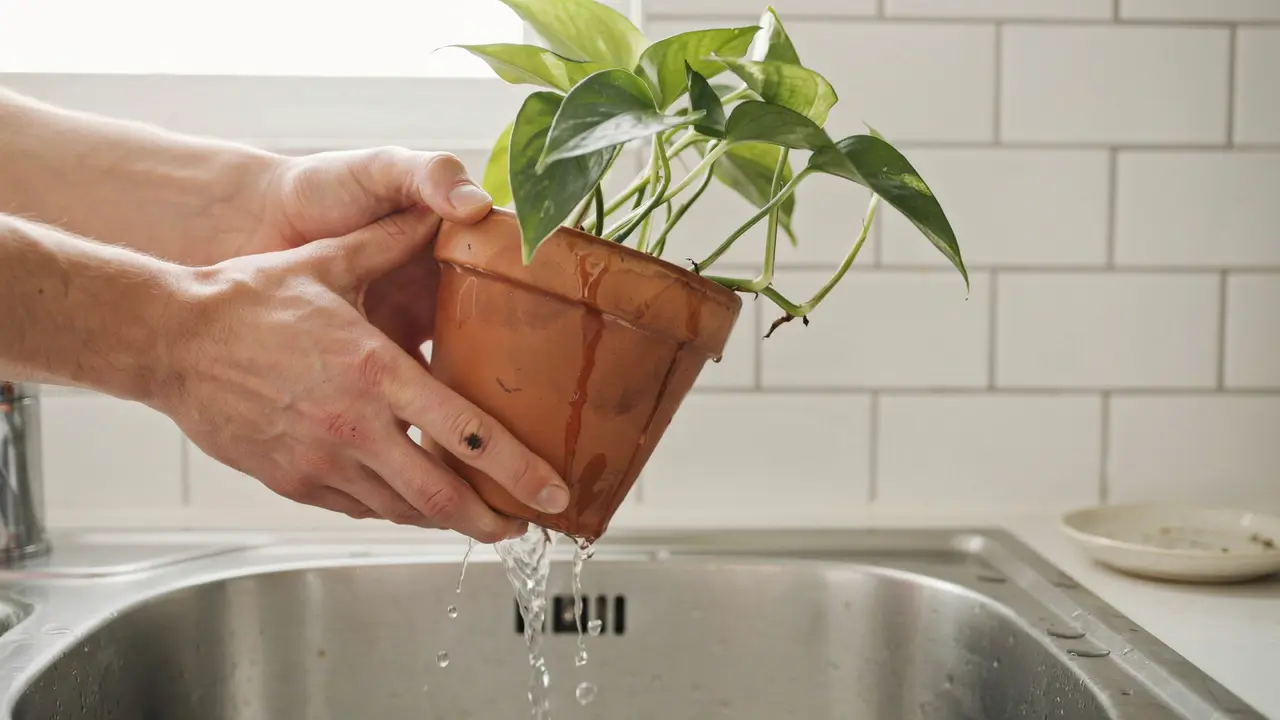
Many plant owners worry about giving too much or too little water during each watering session. Surprisingly, the answer isn't measured in cups or liters for most plants. Instead of focusing on a specific amount, it's better to focus on watering thoroughly so the entire root system receives the moisture it needs.
Healthy plants benefit far more from occasional deep watering than from frequent, shallow watering.
Water Deeply, Not Lightly
One of the biggest mistakes beginners make is giving plants a small splash of water every day.
While this may dampen the top layer of soil, it rarely reaches the deeper roots where plants absorb most of their moisture. As a result, roots begin growing near the surface instead of extending downward.
Shallow root systems dry out faster, making plants more vulnerable to heat, drought, and inconsistent watering.
Instead, water slowly until the moisture reaches the entire root zone.
Deep watering encourages roots to grow deeper into the soil, producing stronger, healthier, and more resilient plants.
Water Until It Drains
For most potted plants, the best approach is simple:
Water slowly until you see excess water flowing out of the drainage holes at the bottom of the pot.
This indicates that the soil has been evenly saturated from top to bottom.
Once watering is complete:
- Allow the pot to drain fully.
- Empty decorative pots or saucers.
- Never allow the plant to sit in standing water for long periods.
Proper drainage prevents roots from remaining constantly wet while ensuring every part of the root ball receives moisture.
Container Size Matters
The amount of water needed depends largely on the size of the container.
Small Pots
Small pots contain less soil and dry out quickly.
Although they require smaller amounts of water, they usually need watering more frequently because there is less soil available to hold moisture.
Medium Pots
Most common houseplants grow in medium-sized containers that require enough water to fully saturate the soil until excess begins draining from the bottom.
These plants often provide the easiest balance between water retention and drainage.
Large Pots
Large containers hold much more soil, meaning they require considerably more water during each watering session.
However, because they retain moisture longer, they usually need watering less often than smaller pots.
Outdoor Plants Need Deep Soaking
For outdoor gardens, trees, shrubs, and flower beds, slow soaking is generally much better than frequent light sprinkling.
A slow, deep watering allows moisture to penetrate well below the soil surface where larger roots are actively growing.
Using soaker hoses, drip irrigation systems, or a gentle garden hose helps maximize water absorption while minimizing runoff.
Different Plants Need Different Amounts
Although deep watering is generally recommended, different plants still have different moisture requirements.
Succulents and Cacti
These plants require thorough watering followed by complete drying of the soil before watering again.
The amount of water per session may be smaller because their containers are often compact, but the entire soil volume should still become moist.
Tropical Houseplants
Plants like monstera, pothos, philodendrons, and peace lilies prefer consistent moisture.
Water until excess drains from the bottom, then wait until the top portion of soil dries before watering again.
Vegetables
Vegetables often require large amounts of water because they grow rapidly and produce fruit.
Deep watering encourages healthy root systems and supports consistent harvests.
Trees and Shrubs
Young trees and shrubs benefit from slow, prolonged watering that reaches deep into the surrounding soil.
Established trees generally require less frequent but much deeper watering than annual flowers or vegetables.
Avoid Watering by the Clock
Instead of measuring exact amounts every time, let your plant and soil determine how much water is needed.
Ask yourself:
- Has the entire root ball been moistened?
- Has excess water drained away?
- Is the soil evenly damp rather than soaked?
- Will the roots have enough oxygen after watering?
These questions are far more useful than trying to calculate cups or liters for every plant.
Signs You Gave the Right Amount of Water
After watering correctly, you should notice several positive signs:
- The soil feels evenly moist from top to bottom.
- Excess water drains freely through the pot.
- Leaves regain firmness if the plant was thirsty.
- The pot feels noticeably heavier.
- Water isn't pooling on the soil surface for long periods.
These are good indicators that your plant received enough moisture without becoming waterlogged.
Quality Matters More Than Quantity
There's no universal amount of water that works for every plant. A small succulent in a sunny window and a large monstera in a shaded living room have completely different needs. Rather than measuring every watering session, focus on watering thoroughly, allowing proper drainage, and waiting until the soil reaches the appropriate level of dryness before watering again.
When you shift your attention from how much to how well you water, you'll encourage healthier roots, stronger growth, and plants that are better equipped to thrive in every season.
Common Plant Watering Mistakes
Even the healthiest plants can struggle if they're watered incorrectly. Fortunately, most watering problems aren't caused by a lack of effort, they're caused by habits that seem helpful but actually work against the plant. The good news is that once you recognize these common mistakes, they're easy to avoid.
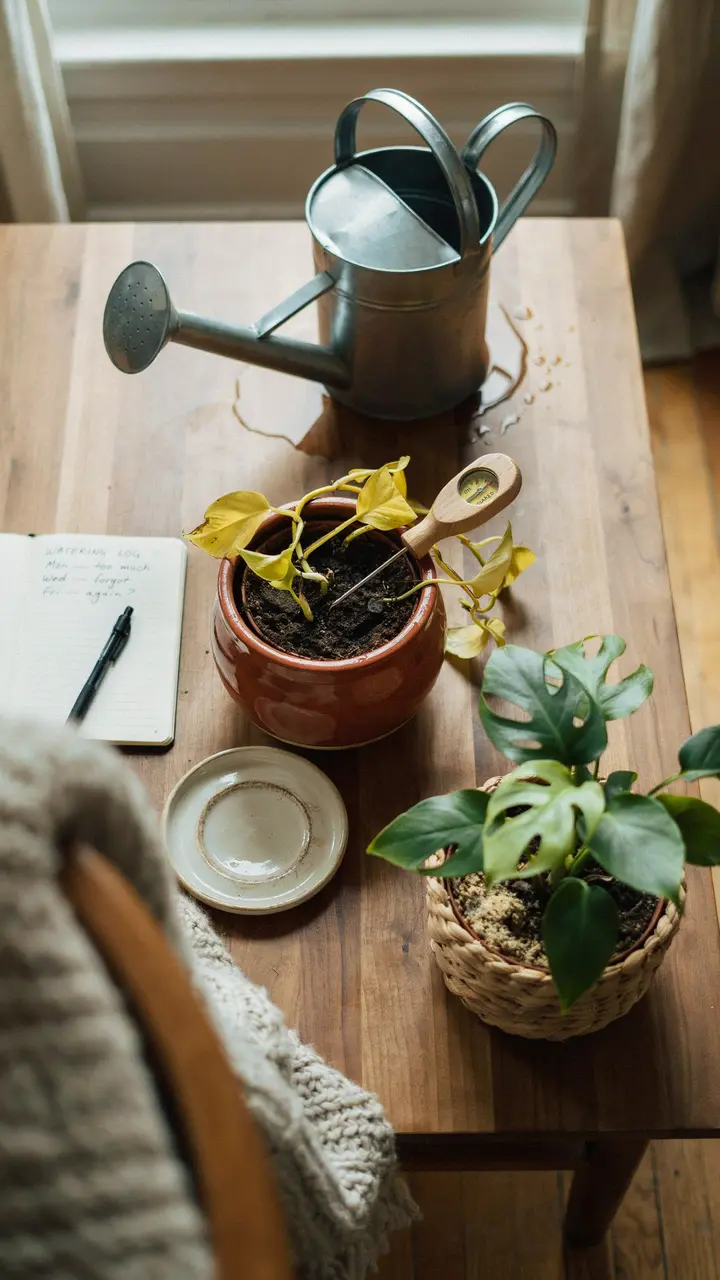
Whether you're growing a collection of indoor houseplants or maintaining an outdoor garden, steering clear of these pitfalls will give your plants a much better chance to thrive.
1. Watering on a Strict Schedule
One of the biggest mistakes is watering every plant on the same day every week.
While routines are helpful for remembering to check your plants, they shouldn't determine when you actually water them. A plant's needs change with the weather, the season, and its stage of growth.
Instead of watering because it's "Sunday," check the soil first. If it's still moist, wait another day or two.
2. Overwatering Out of Kindness
Many people assume that more water equals healthier plants.
In reality, constantly wet soil deprives roots of oxygen and creates ideal conditions for root rot, fungal diseases, and pests such as fungus gnats.
When you're unsure whether to water, it's often better to wait until you've confirmed the soil has dried to the appropriate depth for that particular plant.
3. Underwatering Because You Forgot
Busy schedules, vacations, or simply forgetting to check your plants can leave them without enough moisture for extended periods.
Repeated underwatering weakens plants over time, slows growth, and makes them more vulnerable to pests and disease.
Setting a reminder to check your plants, not necessarily water them, can help build a healthier routine.
4. Using Pots Without Drainage Holes
Decorative pots may look attractive, but if excess water has nowhere to escape, the soil can remain saturated for far too long.
Drainage holes allow excess water to leave the container while fresh oxygen reaches the roots.
If you love decorative planters without drainage, place your plant in a nursery pot with drainage holes and set that inside the decorative container.
5. Giving Only Small Amounts of Water
Lightly sprinkling the soil every day often does more harm than good.
Small amounts of water usually wet only the surface, encouraging shallow root growth while leaving deeper roots dry.
Instead, water thoroughly until moisture reaches the entire root system and excess water drains away.
6. Ignoring Seasonal Changes
Plants don't use the same amount of water all year.
Continuing your summer watering routine through autumn and winter is one of the most common causes of overwatering.
As temperatures cool and growth slows, most plants require less frequent watering. During spring and summer, active growth usually increases water demand again.
7. Watering the Leaves Instead of the Soil
While occasional misting may benefit certain tropical plants, most watering should go directly onto the soil.
Wet foliage can increase the risk of fungal diseases, especially when water remains on leaves overnight.
Aim your watering can or hose at the base of the plant so the roots receive the moisture where it's needed most.
8. Ignoring the Type of Plant
Treating every plant the same almost always leads to problems.
A cactus, fern, orchid, peace lily, and tomato plant all have completely different watering requirements.
Learning the basic needs of each species allows you to adjust your routine instead of relying on a one-size-fits-all approach.
9. Forgetting to Empty Saucers
After watering, excess water often collects in trays or decorative pots beneath the container.
Leaving the pot standing in this water for hours or days keeps the roots constantly wet and increases the likelihood of root rot.
Empty saucers shortly after watering so the roots aren't sitting in stagnant water.
10. Watering at the Wrong Time
Although plants can survive watering at different times of the day, some times are more effective than others.
Watering early in the morning reduces evaporation and gives plants plenty of time to absorb moisture before the heat of the day.
If morning isn't possible, early evening is usually the next best option.
11. Trusting the Surface of the Soil
Many people decide whether to water simply by looking at the top of the soil.
The problem is that the surface often dries much faster than the soil surrounding the roots.
Always check below the surface using your finger, a wooden skewer, or a moisture meter before deciding whether your plant actually needs water.
12. Not Paying Attention to Your Plant
Every plant develops its own rhythm over time.
Some dry out quickly because they're near a sunny window. Others remain moist for much longer because they're growing in larger pots or cooler rooms.
The healthiest plants belong to owners who observe them regularly rather than following rigid rules.
Notice changes in leaf color, growth, soil moisture, and overall appearance. These small observations often reveal exactly what your plant needs.
Build Better Watering Habits
Plant care doesn't have to be complicated. In fact, the best watering routines are usually the simplest. Check the soil before watering, choose containers with proper drainage, adjust your routine with the seasons, and learn the basic needs of each plant you grow. These habits take only a few extra minutes but can prevent many of the problems that frustrate new and experienced gardeners alike.
Remember, successful plant care isn't about watering more often, it's about watering more wisely. By avoiding these common mistakes, you'll create stronger roots, healthier foliage, and plants that continue to flourish year after year.
Easy Watering Tips for Beginners
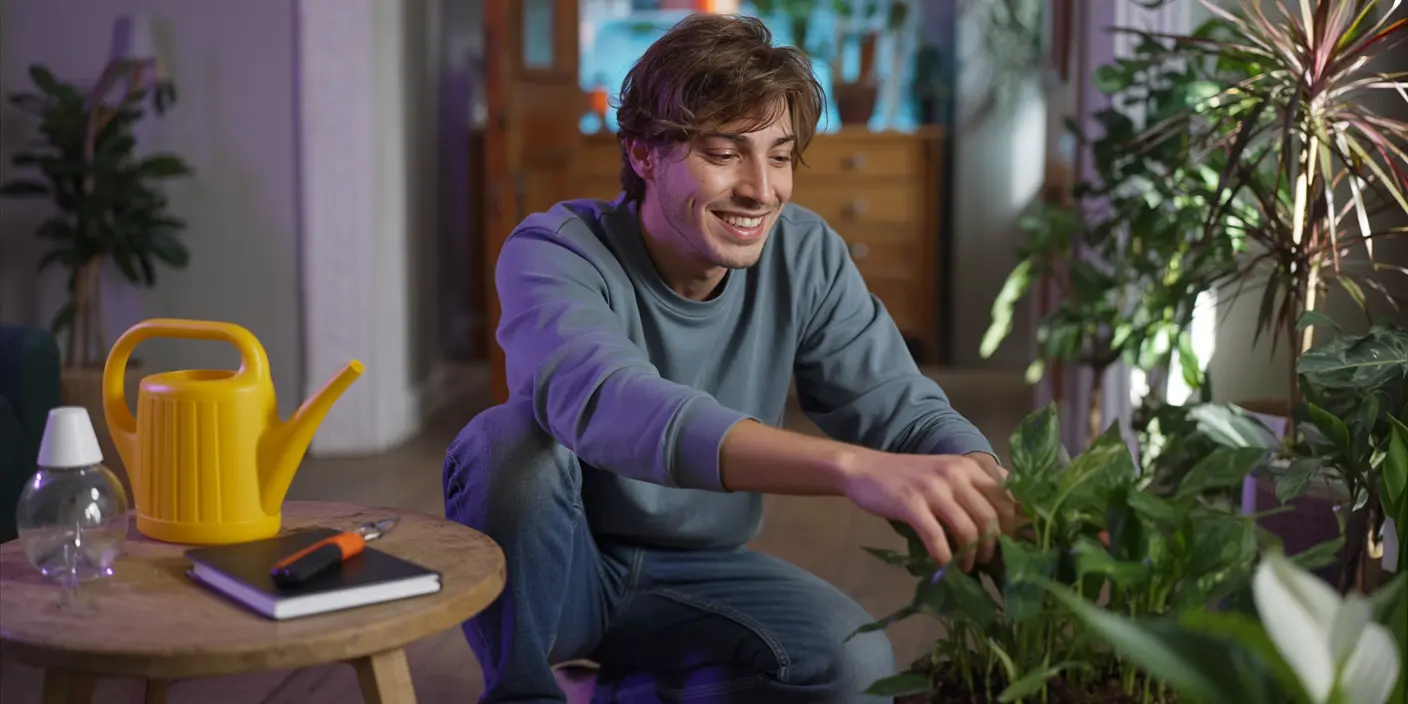
Learning how to water plants doesn't have to be complicated. While every plant has its own preferences, a few simple habits can dramatically improve your success and help you avoid the most common mistakes. Whether you've just bought your first houseplant or you're starting a backyard garden, these beginner-friendly watering tips will set you up for healthier, happier plants.
Remember, successful plant care isn't about being perfect, it's about being observant and consistent.
Always Check the Soil Before Watering
The easiest way to avoid both overwatering and underwatering is to check the soil first.
Instead of watering because it's a certain day of the week, insert your finger about 1–2 inches into the soil.
- If the soil feels dry, it's usually time to water.
- If it still feels moist, wait another day or two before checking again.
This simple habit can prevent many of the most common watering problems.
Water Thoroughly Every Time
When your plant needs water, give it a deep, thorough watering rather than a quick splash.
For potted plants, continue watering until excess water drains from the bottom of the container. This ensures the entire root system receives moisture instead of only the surface soil becoming wet.
Deep watering encourages stronger roots and healthier growth.
Choose Pots with Drainage Holes
Proper drainage is one of the most important parts of healthy watering.
Containers with drainage holes allow excess water to escape, reducing the risk of soggy soil and root rot.
If you're using decorative planters without drainage, keep your plant inside a nursery pot and remove it for watering before returning it once excess water has drained.
Learn Your Plant's Natural Preferences
Not every plant enjoys the same conditions.
Some examples include:
- Succulents and cacti prefer completely dry soil between waterings.
- Peace lilies and ferns appreciate more consistent moisture.
- Snake plants and ZZ plants tolerate drought much better than overwatering.
- Vegetables and flowering plants usually require more frequent watering during active growth.
Understanding these differences makes plant care much easier.
Adjust Your Routine with the Seasons
Plants naturally use more water during spring and summer than they do during autumn and winter.
As temperatures rise and daylight increases, you'll usually need to water more often.
When cooler weather arrives and growth slows, reduce watering accordingly.
Think of your watering schedule as flexible rather than fixed.
Water Early in the Morning
Whenever possible, water your plants early in the day.
Morning watering allows moisture to soak into the soil before temperatures rise while giving wet leaves plenty of time to dry.
Although evening watering is often acceptable, morning remains the most efficient option for most indoor and outdoor plants.
Group Plants with Similar Watering Needs
If you grow several plants, try placing those with similar moisture requirements together.
For example:
- Keep succulents and cacti together.
- Group tropical plants like pothos, monsteras, and philodendrons in another area.
- Grow herbs with similar watering preferences in the same containers or garden bed.
Grouping plants simplifies your watering routine and reduces the chance of accidentally giving one plant too much or too little water.
Use Mulch Outdoors
Adding mulch around outdoor plants helps conserve moisture by reducing evaporation from the soil surface.
Organic mulches such as bark chips, straw, compost, or shredded leaves also help regulate soil temperature and suppress weeds.
A layer of mulch often means you'll spend less time watering during hot summer weather.
Keep an Eye on the Weather
For outdoor plants, always consider recent and upcoming weather conditions.
If heavy rain is expected, you may be able to skip watering altogether.
During heat waves or windy periods, check soil moisture more frequently because plants often dry out much faster.
Let the weather guide your routine instead of relying on a fixed schedule.
Don't Panic Over Every Yellow Leaf
It's completely normal for plants to lose an occasional older leaf.
Before assuming your plant needs more water, check the soil and inspect the overall health of the plant.
Sometimes yellow leaves indicate overwatering rather than underwatering.
Avoid reacting immediately, observe first, then make an informed decision.
Keep a Simple Plant Care Journal
If you're caring for several plants, keeping notes can be surprisingly helpful.
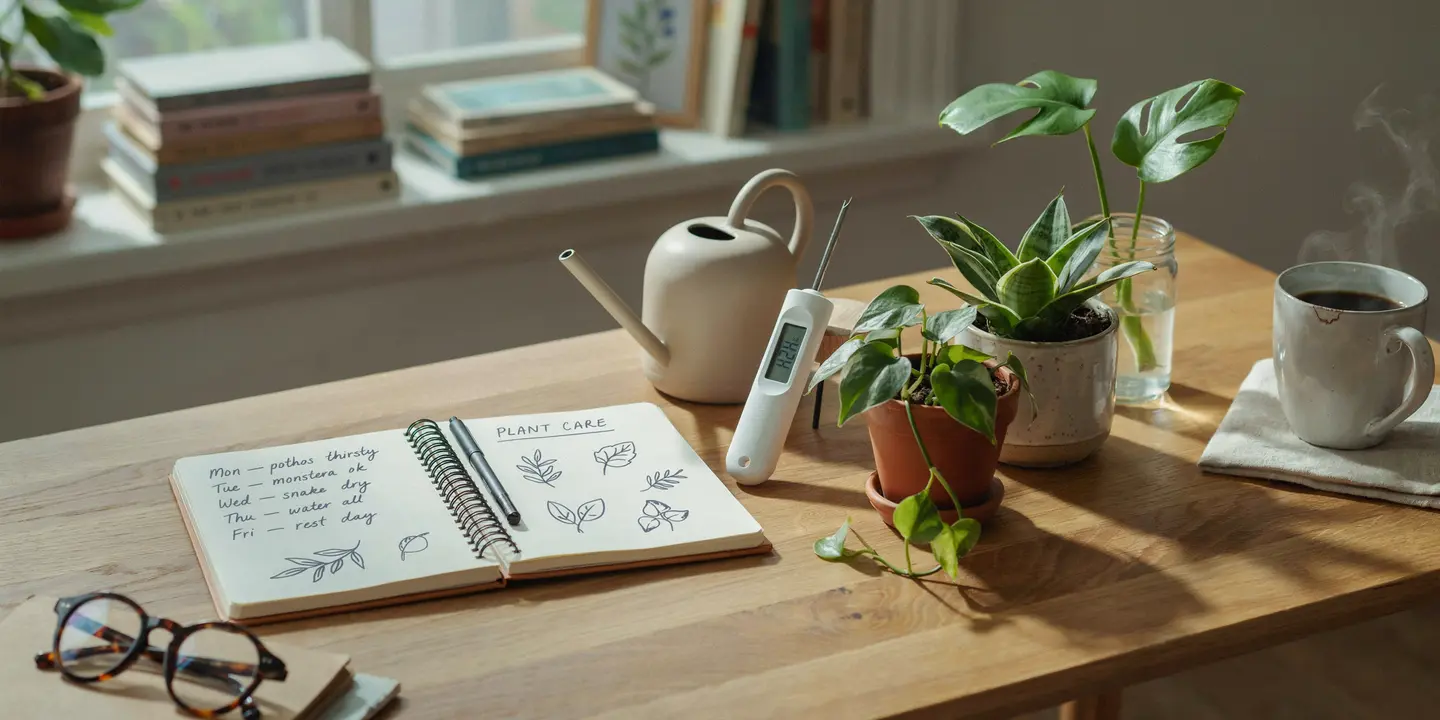
Record things like:
- When you checked the soil.
- When you watered.
- Seasonal changes.
- New growth.
- Flowering periods.
- Any problems you notice.
After a few months, you'll begin to see patterns that make watering much easier.
There are also many smartphone apps that can help you organize your plant care routine, but even a simple notebook works perfectly.
Trust Observation More Than Rules
The best plant owners aren't the ones who memorize complicated schedules, they're the ones who pay attention.
Every plant grows in a unique environment, and those conditions change throughout the year. By observing your plants regularly, checking the soil before watering, and adjusting your routine when needed, you'll quickly develop confidence in your plant care skills.
With time, watering becomes less about following instructions and more about understanding your plants. Once you learn to recognize their natural rhythms, you'll find that healthy, thriving plants become much easier to care for than you ever imagined.
Frequently Asked Questions
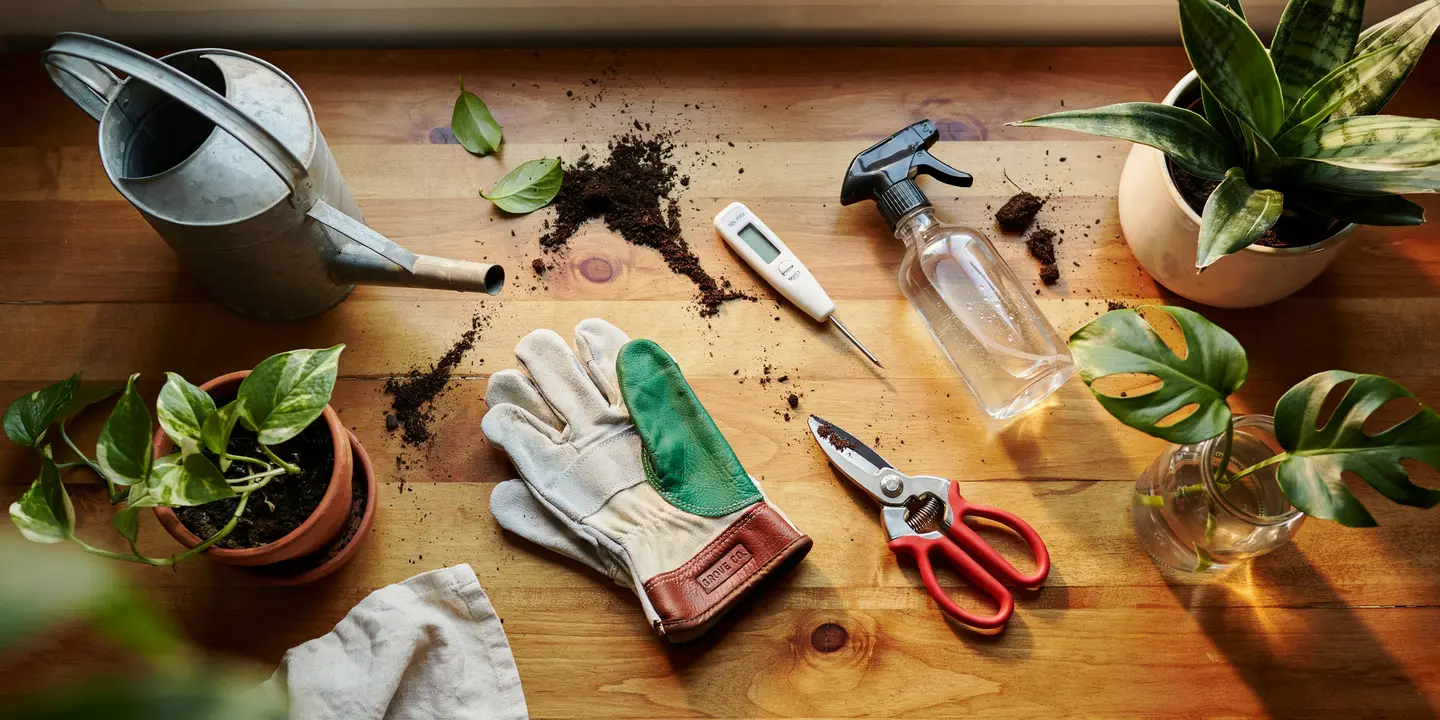
Should I water my plants every day?
In most cases, no. The majority of indoor and outdoor plants do not need daily watering. Watering every day can keep the soil constantly wet, reducing oxygen around the roots and increasing the risk of root rot. Instead of following a daily schedule, check the soil first and water only when your plant actually needs it. During extremely hot weather, however, some outdoor container plants and hanging baskets may require daily watering because they dry out very quickly.
How often should I water indoor plants?
Most indoor plants need watering every 7 to 14 days, but the exact frequency depends on the plant species, pot size, soil type, humidity, temperature, and light conditions. Tropical plants generally require more frequent watering than succulents or cacti. Always check the top 1–2 inches of soil before watering rather than relying on a fixed schedule.
How often should I water outdoor plants?
Most established outdoor plants need about 1 inch (2.5 cm) of water per week, including rainfall. During hot, dry, or windy weather, they may require more frequent watering. Newly planted flowers, vegetables, shrubs, and trees usually need additional water while their roots become established.
Can plants recover after overwatering?
Yes, many plants can recover if overwatering is caught early. Stop watering until the soil dries to the appropriate level, improve drainage, empty standing water from saucers, and inspect the roots if the plant continues declining. If root rot has developed, trimming damaged roots and repotting the plant into fresh, well-draining soil may help save it.
How long can indoor plants go without water?
The answer depends on the plant.
- Succulents and cacti can often go several weeks without water.
- Snake plants and ZZ plants are also highly drought tolerant.
- Tropical plants like peace lilies and ferns usually need water much sooner.
Factors such as sunlight, humidity, temperature, and pot size also influence how long a plant can safely go without watering.
Is rainwater better than tap water?
Rainwater is often an excellent choice because it doesn't usually contain chlorine or other treatment chemicals found in some municipal water supplies. Many plants, especially tropical houseplants, respond well to rainwater.
However, tap water is perfectly suitable for most plants. If your local water is heavily chlorinated or particularly hard, allowing it to sit overnight before watering may help reduce chlorine levels, though this won't remove dissolved minerals.
Should I mist my plants?
Misting can temporarily increase humidity around certain tropical plants, but it should not replace proper watering.
Plants absorb most of their water through their roots, not their leaves. If your home has very dry air, using a humidifier or grouping plants together generally provides more consistent humidity than occasional misting.
Can I water my plants at night?
Yes, but early morning is usually the better option.
Morning watering gives plants time to absorb moisture before temperatures rise while allowing wet leaves to dry throughout the day. If evening is the only practical time, water the soil rather than the leaves and avoid leaving standing water around the plant.
Do larger pots need less frequent watering?
Generally, yes.
Larger containers hold more soil, allowing them to retain moisture for longer periods. Although they require more water during each watering session, they usually don't need watering as often as smaller pots, which dry out much more quickly.
What happens if I water my plants too much?
Overwatering can cause several serious problems, including:
- Yellow leaves.
- Root rot.
- Wilting despite wet soil.
- Fungus gnats.
- Mold growth.
- Slow or stunted growth.
- Leaf drop.
Checking the soil before watering is the best way to prevent these issues.
Is it better to underwater or overwater plants?
If you're unsure, it's generally safer to let the soil dry slightly than to keep it constantly wet. Most plants recover more easily from short periods of dryness than from prolonged overwatering, which can damage or kill the roots.
That said, every plant is different. Moisture-loving species such as peace lilies, ferns, and certain tropical plants should not be allowed to dry out completely, while succulents and cacti thrive when the soil dries thoroughly between waterings.
What's the easiest way to know when it's time to water?
The simplest and most reliable method is the finger test. Insert your finger about 1–2 inches into the soil.
- If the soil feels dry, it's usually time to water.
- If it still feels moist, wait and check again in a day or two.
You can also lift the pot to judge its weight or use a moisture meter for additional guidance.
Final Thoughts
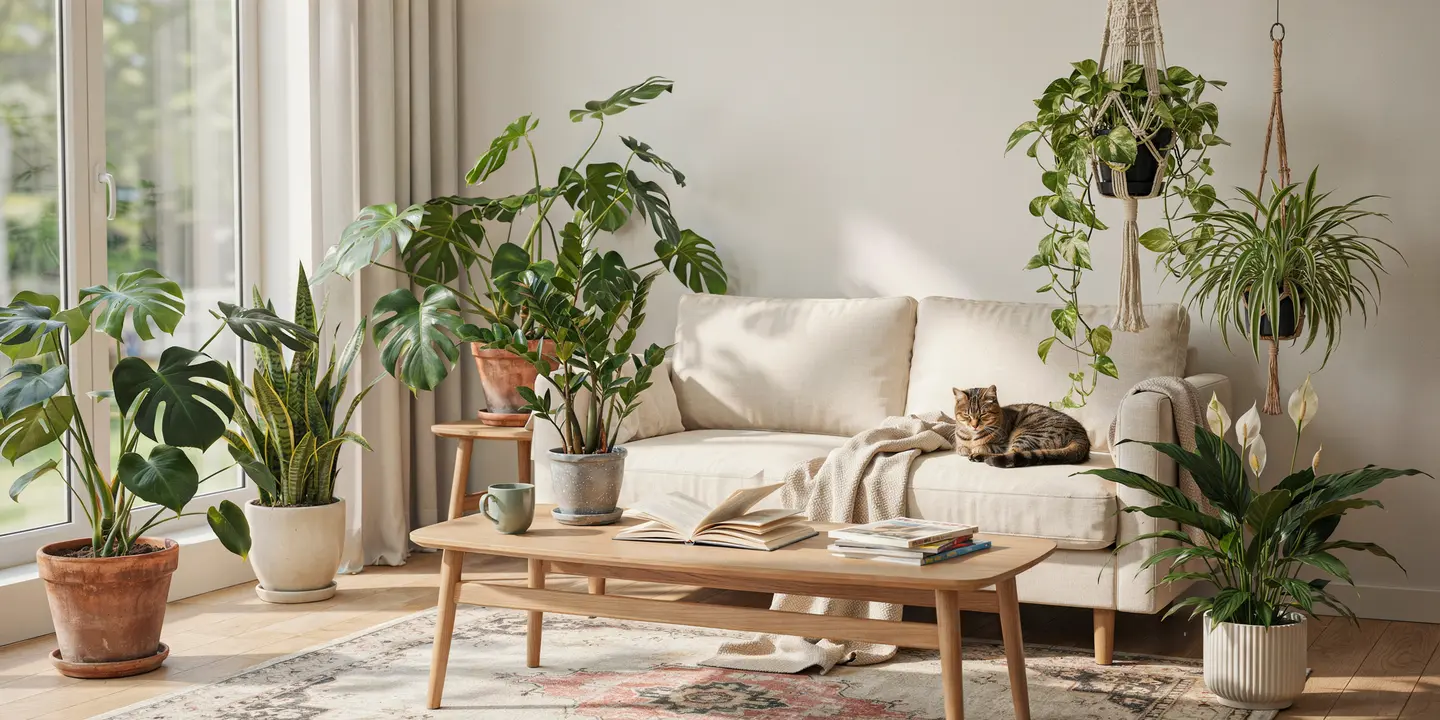
There isn't a perfect watering schedule that works for every plant, and that's actually good news. Once you understand that watering depends on the plant type, the soil, the weather, and your growing environment, caring for plants becomes much less confusing.
Instead of asking, "How often should I water my plants?" start asking, "Does my plant need water today?" That small shift in thinking makes all the difference.
By checking the soil before watering, choosing containers with proper drainage, adjusting your routine with the seasons, and learning the needs of each plant, you'll avoid the most common mistakes that lead to unhealthy plants. Over time, you'll develop an instinct for recognizing when your plants are thirsty and when it's best to simply let them be.
Whether you're growing a single houseplant on your windowsill, tending a collection of tropical plants, or maintaining a thriving outdoor garden, thoughtful watering is one of the most valuable skills you can develop. Give your plants the attention they need, not according to the calendar, but according to their unique conditions, and they'll reward you with stronger roots, healthier leaves, vibrant blooms, and steady growth for years to come.

Leave a comment
Your email address will not be published. Required fields are marked *