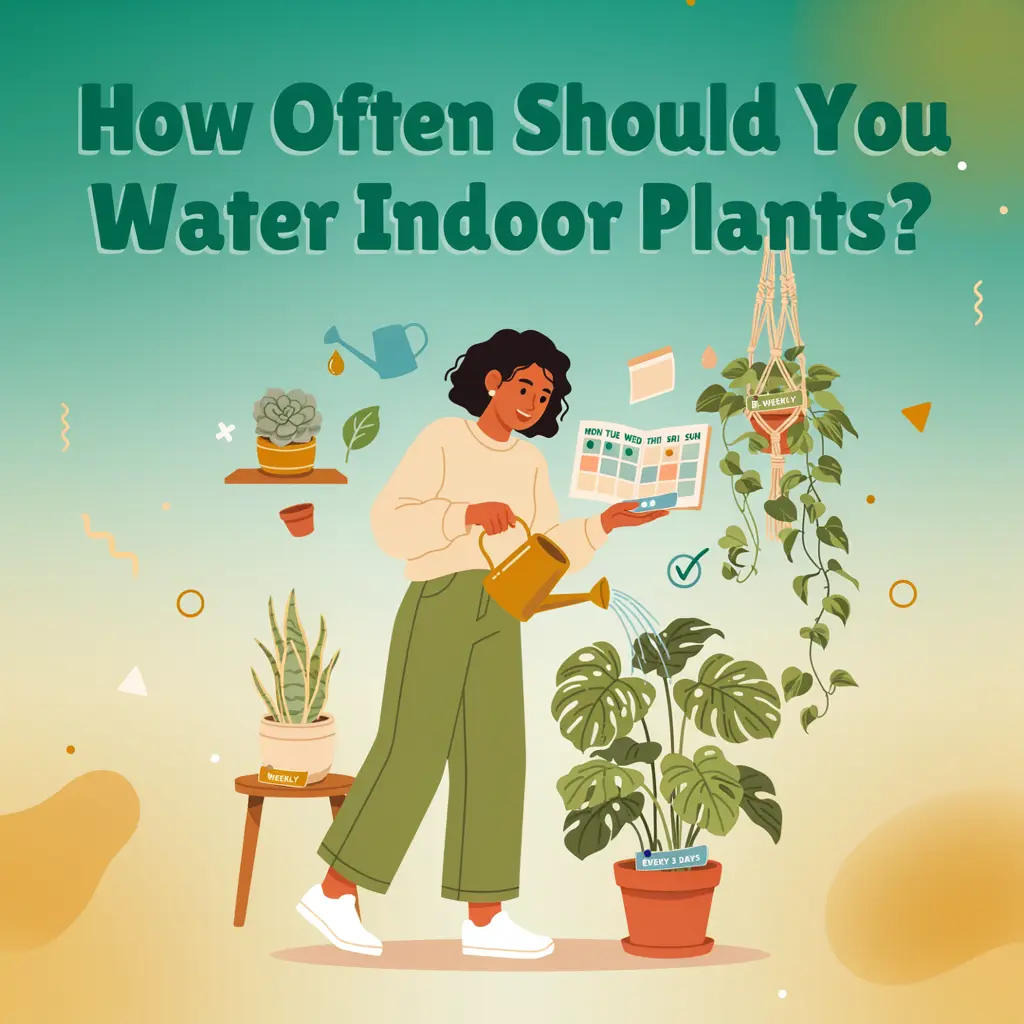
If you've ever searched, "How often should I water my indoor plants?" you've probably found dozens of conflicting answers. Some guides recommend watering once a week, while others suggest every few days. The truth is, there's no universal watering schedule that works for every houseplant.
Indoor plants aren't all created equal. A thirsty peace lily sitting in a bright living room has very different needs than a drought-tolerant snake plant tucked away in a shaded corner. Add changing seasons, indoor heating, air conditioning, humidity, pot size, and soil type into the mix, and it's easy to see why following a fixed calendar often leads to problems.
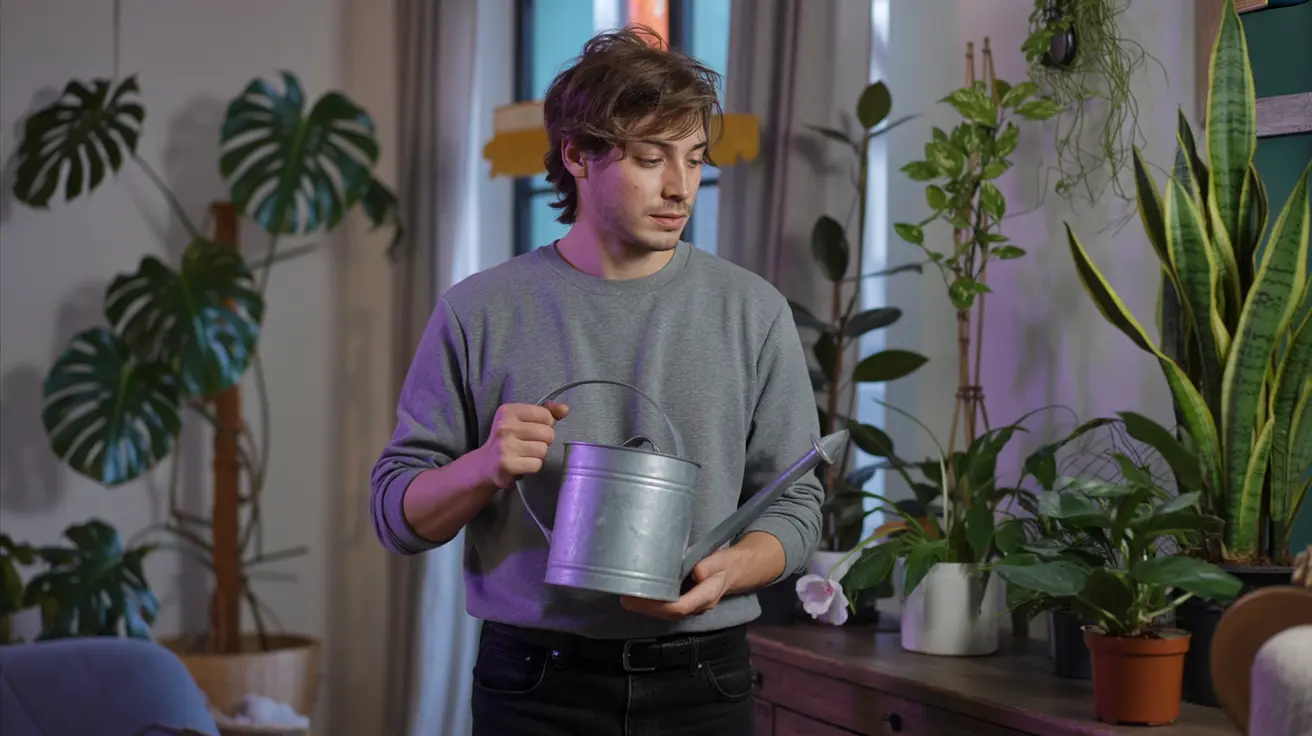
In fact, overwatering is one of the most common reasons indoor plants struggle. Many plant owners mistake yellow leaves or drooping stems as signs of thirst, when the real culprit is often too much water. On the other hand, letting soil stay bone dry for weeks can stress plants and slow their growth.
The good news is that watering your indoor plants doesn't have to be complicated. Instead of memorizing rigid schedules, it's far more effective to understand what influences your plant's water needs and learn how to recognize the signs that it's ready for a drink.
In this practical guide, you'll discover how often to water indoor plants throughout the year, what factors affect watering frequency, how different houseplants compare, and the simple techniques experienced plant owners use to avoid both overwatering and underwatering. By the end, you'll have the confidence to care for your plants based on their needs, not the calendar.
Why There Isn't a One-Size-Fits-All Watering Schedule
One of the biggest misconceptions about indoor plant care is that every houseplant should be watered on the same schedule. You might hear advice like, "Water your plants every Sunday," or "Give them water once a week." While simple, this approach rarely works in practice and often causes more harm than good.
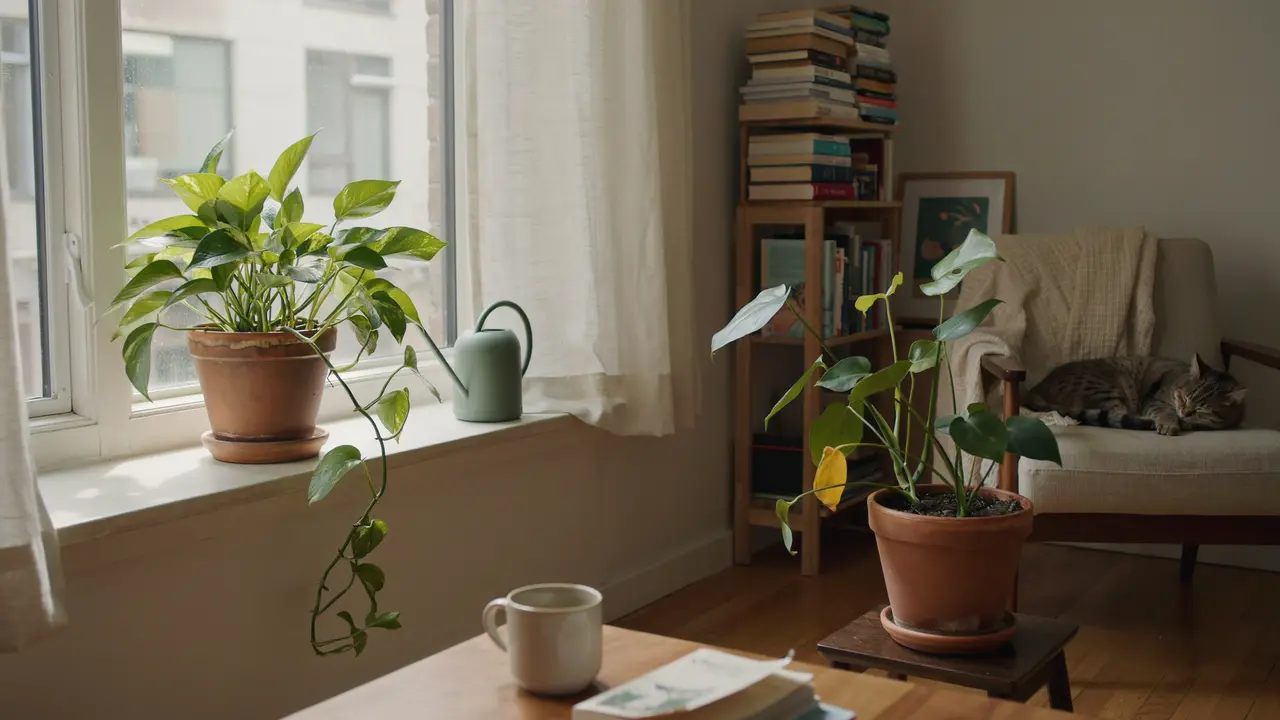
Plants are living organisms that constantly respond to their environment. Their water needs change depending on how quickly they grow, the conditions inside your home, and even the time of year. That's why two identical plants sitting in different rooms can require completely different watering routines.
Every Plant Has Different Water Requirements
Some indoor plants naturally prefer consistently moist soil, while others are adapted to survive long periods without water.
For example, tropical plants such as peace lilies and ferns thrive when their soil stays lightly moist. In contrast, snake plants, ZZ plants, and most succulents store water in their leaves or stems, allowing them to go much longer between waterings.
Knowing what type of plant you're growing is the first step toward establishing the right watering routine.
Light Makes a Big Difference
Light directly affects how much water a plant uses. Plants placed in bright, indirect light or near sunny windows grow faster and lose moisture more quickly through their leaves. As a result, the soil dries out faster, meaning they'll usually need water more often.
Plants kept in low-light rooms grow more slowly and use less water. Watering them too frequently can leave the soil wet for extended periods, increasing the risk of root rot.
Temperature Changes Water Consumption
Warm temperatures speed up evaporation and encourage plants to grow, increasing their need for water. During hot summer months, your indoor plants may require watering much more frequently than they do during cooler seasons.
On the other hand, air-conditioned homes and heated rooms can create unique challenges. While heating systems often dry out the air, they don't necessarily mean your plant needs constant watering. Instead, it's important to check the soil before reaching for the watering can.
Growth Isn't Constant Throughout the Year
Most houseplants follow natural growth cycles. During spring and summer, they actively produce new leaves, stems, and roots, requiring more water to support healthy development.
As autumn arrives and daylight hours become shorter, growth begins to slow. By winter, many indoor plants enter a resting phase known as dormancy. During this period, they use significantly less water, and continuing a summer watering schedule can quickly lead to overwatering.
Pot Size and Soil Matter More Than You Think
A plant growing in a small pot may dry out within a few days because there's less soil available to hold moisture. Larger pots retain water for longer, allowing more time between waterings.
The type of soil also plays a major role. Well-draining potting mixes allow excess water to escape quickly, while heavier soils hold moisture for much longer. Understanding how your pot and soil work together helps prevent watering mistakes.
Stop Watering by the Calendar
Instead of asking, "How many days has it been since I last watered?" start asking, "Does my plant actually need water today?"
This simple mindset shift is one of the best habits any plant owner can develop. By checking the soil, observing your plant's leaves, and considering the current season, you'll make far better watering decisions than any fixed schedule could provide.
Remember, healthy indoor plants aren't maintained by following the calendar, they're cared for by paying attention to the signals they give you. Once you learn to recognize those signals, watering becomes less of a guessing game and more of a natural part of successful plant care.
The Biggest Factors That Affect Watering Frequency
If you've ever wondered why one of your houseplants seems to dry out every few days while another barely needs attention for weeks, the answer lies in its growing conditions. Watering frequency isn't determined by the plant alone, it's shaped by a combination of environmental factors that influence how quickly moisture leaves the soil.
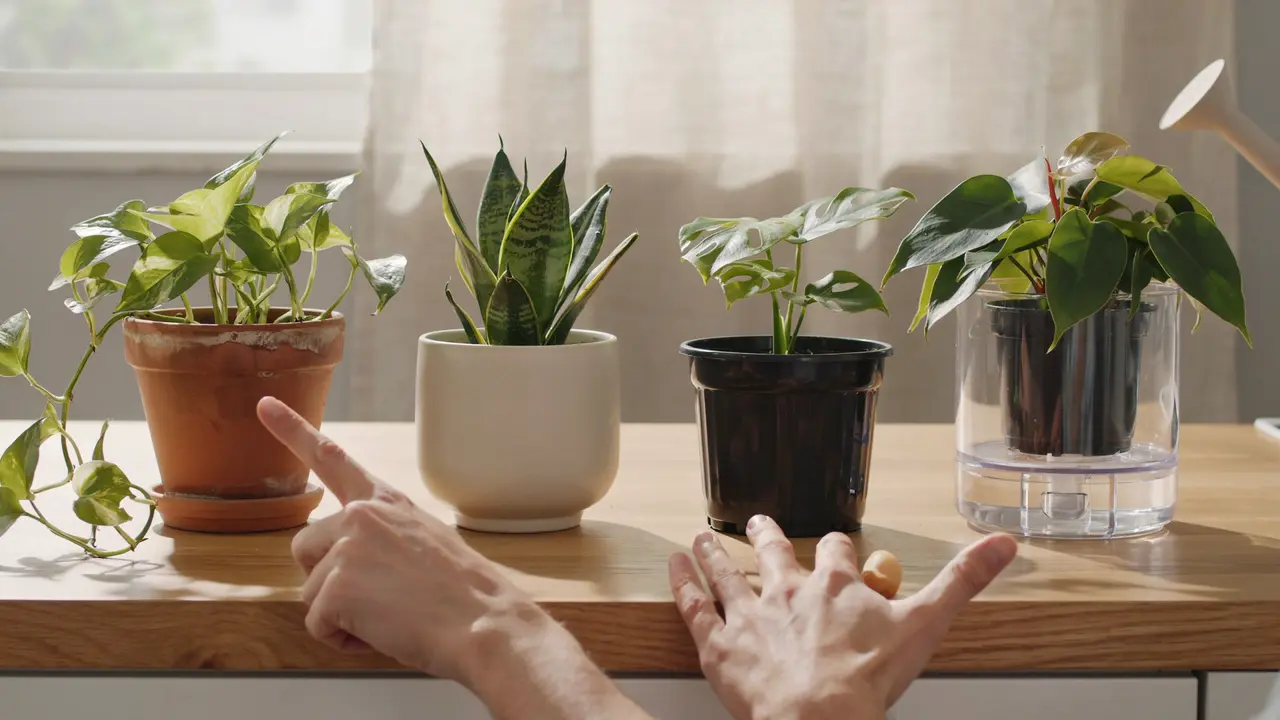
Understanding these factors will help you move beyond guesswork and create a watering routine that matches your plants' real needs.
Light Exposure
Light is one of the most important factors affecting how much water a plant uses.
Plants growing in bright, indirect light tend to photosynthesize more actively, producing new growth and consuming water at a faster rate. You'll usually notice the soil drying out more quickly in these conditions.
Plants receiving direct sunlight often require even more frequent watering because the combination of strong light and heat speeds up evaporation. However, it's still important to check the soil before watering, as overwatering is possible even in sunny locations.
On the other hand, plants placed in low-light rooms grow more slowly and use less water. Their soil remains moist for longer, meaning they generally need watering less often.
Temperature
Temperature works hand in hand with light to influence water loss.
During warm weather or in naturally warm homes, soil dries faster and plants become more active, increasing their demand for water. Summer is typically the season when indoor plants need the most frequent attention.
Cooler temperatures slow plant growth and reduce evaporation. During winter, many houseplants need considerably less water, even if they remain indoors.
Heating and air conditioning also play a role. Heating systems can dry the surrounding air, while air conditioners may cool the room enough to reduce water use. Rather than relying on indoor temperature alone, always combine it with a quick soil check.
Humidity
Humidity affects how quickly plants lose water through their leaves.
In homes with high humidity, moisture evaporates more slowly, helping soil stay damp for longer. Tropical houseplants often appreciate these conditions because they resemble their natural environments.
In dry indoor environments, especially during winter when heaters are running, moisture disappears much faster. Plants may lose water through their leaves more quickly, although this doesn't always mean the roots need watering immediately. Sometimes increasing humidity with a pebble tray or humidifier is a better solution than watering more often.
Pot Size
The size of your pot has a surprisingly large impact on watering frequency.
Small pots contain less soil, which means there's less room to store moisture. As a result, they tend to dry out much faster and often require more frequent watering.
Large pots hold more soil and retain water for longer periods. While this reduces how often you need to water, it also means excess moisture can linger if drainage isn't adequate.
Choosing the right pot size for your plant helps maintain a healthy balance between moisture retention and airflow around the roots.
Pot Material
Not all plant pots behave the same way.
Terracotta pots are porous, allowing water to evaporate through their walls. They're excellent for plants that dislike sitting in wet soil, such as succulents and cacti, but they usually require more frequent watering.
Plastic pots retain moisture much longer because they don't allow water to escape through the sides. They're lightweight and practical but require extra care to avoid overwatering.
Glazed ceramic pots fall somewhere in between, depending on whether the inside is sealed. They generally hold moisture better than terracotta while offering improved insulation.
Self-watering pots provide a steady supply of moisture from a built-in reservoir. While convenient, they still need monitoring, as not every plant enjoys constantly moist soil.
Soil Mix
Your potting mix determines how quickly water drains and how long moisture stays available to the roots.
A fast-draining soil mix, often used for succulents, cacti, and snake plants, allows excess water to escape quickly. Plants in these mixes usually need watering a little more often because the soil dries faster.
A moisture-retaining mix, commonly used for tropical houseplants, contains ingredients that hold water for longer. These mixes reduce watering frequency but require careful monitoring to prevent soggy conditions.
Using the right soil for your specific plant is just as important as choosing the right watering schedule.
Plant Size and Growth Stage
Young, actively growing plants typically use water more quickly than mature plants that have slowed down. A plant producing new leaves every week is working hard behind the scenes and usually needs more consistent moisture than one that's resting.
Likewise, larger plants with lots of foliage often lose more water through transpiration than smaller plants, meaning they may require more frequent watering despite being in larger pots.
It's the Combination That Matters
No single factor determines when you should water an indoor plant. Instead, think of each factor as part of a bigger picture.
A pothos growing in a small terracotta pot beside a sunny window during summer will dry out much faster than the same plant sitting in a large plastic pot in a cool, shaded room during winter.
Rather than following a strict schedule, take a moment to consider your plant's environment before watering. With a little observation, you'll quickly learn to predict when your plants need moisture and avoid the common mistakes that come from treating every houseplant the same.
Seasonal Watering Guide
One of the easiest ways to improve your indoor plant care is to adjust your watering routine with the seasons. Houseplants don't use the same amount of water year-round. As daylight, temperature, and humidity change, so do their growth patterns and moisture needs.
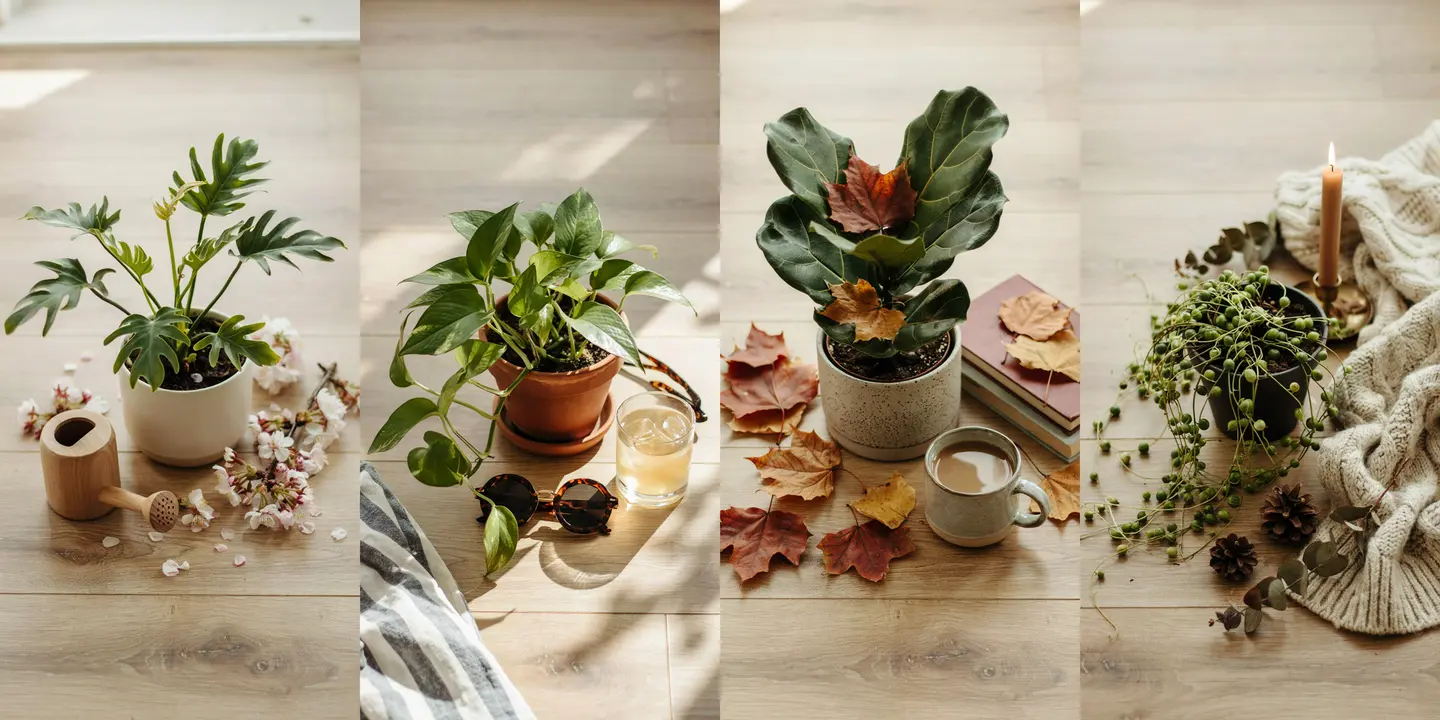
Many people accidentally overwater their plants during autumn and winter because they continue following the same schedule they used in summer. Understanding how each season affects plant growth will help you water more confidently and avoid unnecessary problems.
Spring: Time to Wake Up
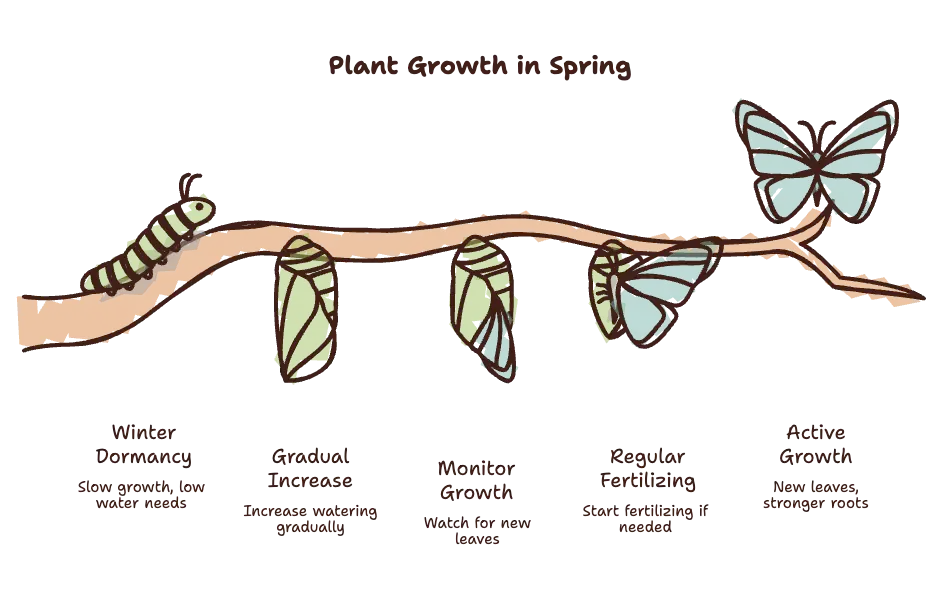
Spring marks the beginning of the active growing season for most indoor plants. Longer days and warmer temperatures encourage plants to produce new leaves, stronger roots, and fresh stems.
As growth increases, so does the need for water.
Rather than immediately returning to a frequent watering schedule, increase watering gradually. Your plant is transitioning out of its slower winter growth and may take a few weeks before its water needs noticeably increase.
During spring:
- Check soil moisture every few days.
- Watch for new leaves as a sign of active growth.
- Begin watering more often only when the soil dries faster.
- Consider starting a regular fertilizing routine if appropriate for your plant.
Spring is also one of the best times for repotting, and freshly repotted plants should be monitored carefully since new soil often holds moisture differently than old soil.
Summer: Peak Growing Season
Summer is when most indoor plants grow at their fastest. Increased sunlight, warmer temperatures, and longer days mean plants are actively using water to fuel new growth.
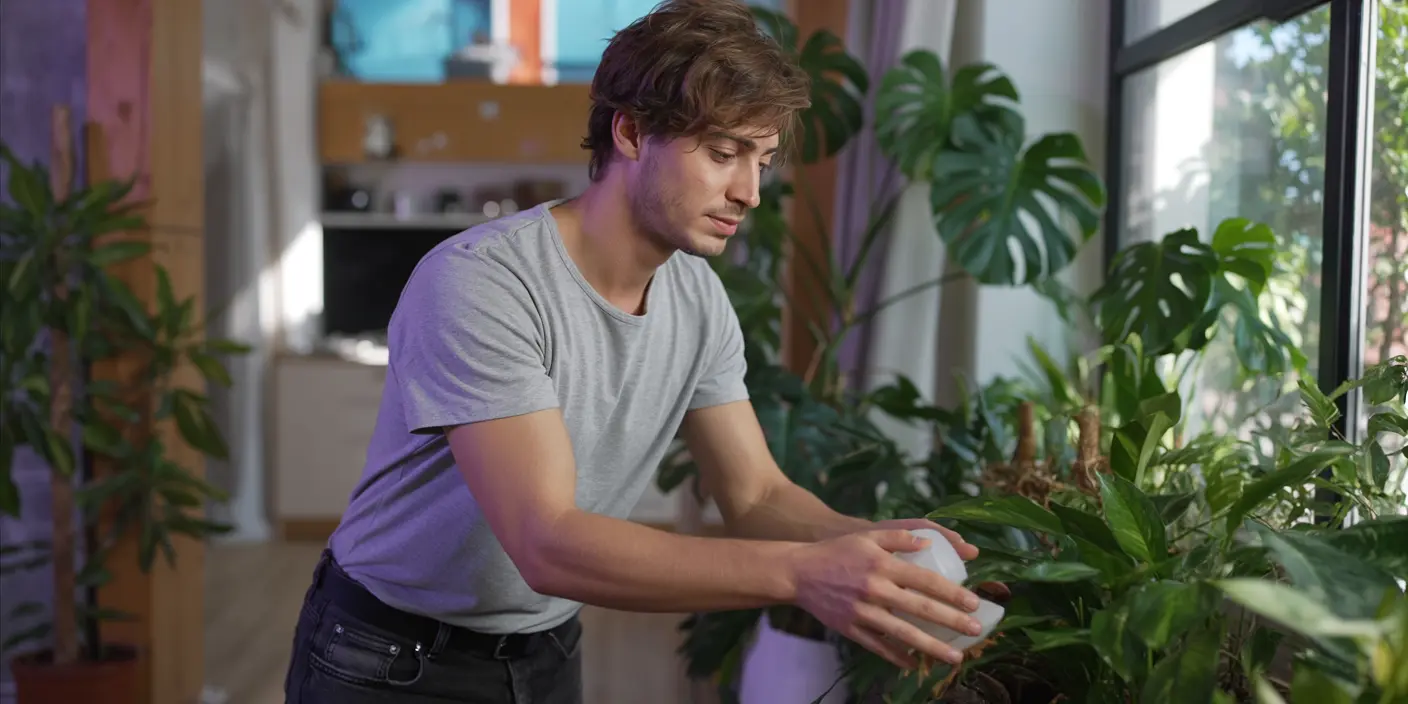
Depending on your home and the plant species, you may find yourself watering significantly more often than you did during winter.
Keep in mind that bright windows can heat up quickly during summer afternoons, causing pots to dry much faster than expected.
During summer:
- Check your plants regularly instead of waiting for a set watering day.
- Water thoroughly when the top layer of soil has dried to the appropriate depth for your plant.
- Empty drainage trays after watering to prevent roots from sitting in water.
- Watch for signs of heat stress, especially in rooms with strong afternoon sun.
If you leave windows open or use fans regularly, increased airflow can also dry the soil more quickly.
Autumn (Fall): Slow Things Down
As daylight hours shorten, most indoor plants begin slowing their growth. Even if temperatures remain comfortable indoors, reduced sunlight naturally decreases the amount of water plants need.
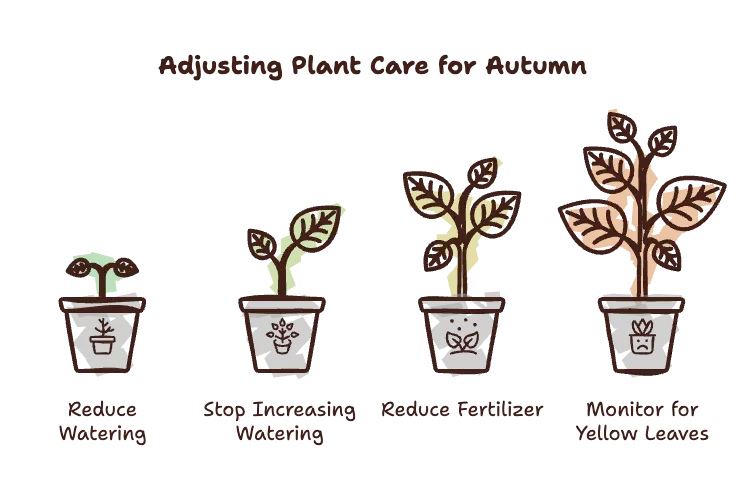
This is the season when many plant owners unknowingly start overwatering because the soil remains damp for longer than it did during summer.
Instead of watering on habit, pay closer attention to the soil before adding more water.
During autumn:
- Allow the soil to stay dry slightly longer between waterings.
- Stop increasing watering simply because leaves look less vibrant.
- Reduce fertilizer applications as growth slows.
- Continue monitoring for yellow leaves, which may indicate excess moisture.
Think of autumn as a transition period where observation becomes more important than routine.
Winter: Less Is Often More
Winter is the resting season for many indoor plants. Shorter days and lower light levels cause growth to slow dramatically, even in heated homes.
Since plants aren't growing as actively, they consume much less water. The soil also dries more slowly because evaporation is reduced.
This is why winter is the season when overwatering causes the most problems.
During winter:
- Always check the soil before watering.
- Water only when your plant actually needs it.
- Expect longer gaps between watering sessions.
- Keep plants away from cold drafts and heating vents.
- Avoid leaving water in decorative pots or saucers.
It's completely normal for many houseplants to go much longer between waterings during winter than they do in summer.
Seasonal Watering at a Glance
While every plant is different, this general guide can help you understand how watering habits typically change throughout the year:
Season | Plant Activity | Typical Water Needs |
Spring | Active new growth begins | Gradually increase watering |
Summer | Fastest growth | Water more frequently as needed |
Autumn | Growth slows | Reduce watering gradually |
Winter | Dormant or slow-growing | Water sparingly and only when soil has dried appropriately |
Remember that these are guidelines, not strict rules. Always let your plant, and especially its soil, tell you when it's time to water.
Let Your Plant Lead the Schedule
Seasons provide an excellent framework for adjusting your plant care, but they should never replace observation. A tropical plant in a warm, sunny apartment may still need regular watering in winter, while a succulent in a cool room could go weeks without a drink.
The best plant owners don't rely on dates on a calendar, they pay attention to changes in growth, light, temperature, and soil moisture. Once you begin adjusting your watering routine with the seasons, you'll notice healthier leaves, stronger growth, and far fewer watering-related issues.
How Often Popular Indoor Plants Usually Need Water
One of the first questions new plant owners ask is, "How often should I water this particular plant?" While that's a perfectly reasonable question, the answer is rarely as simple as a fixed number of days.
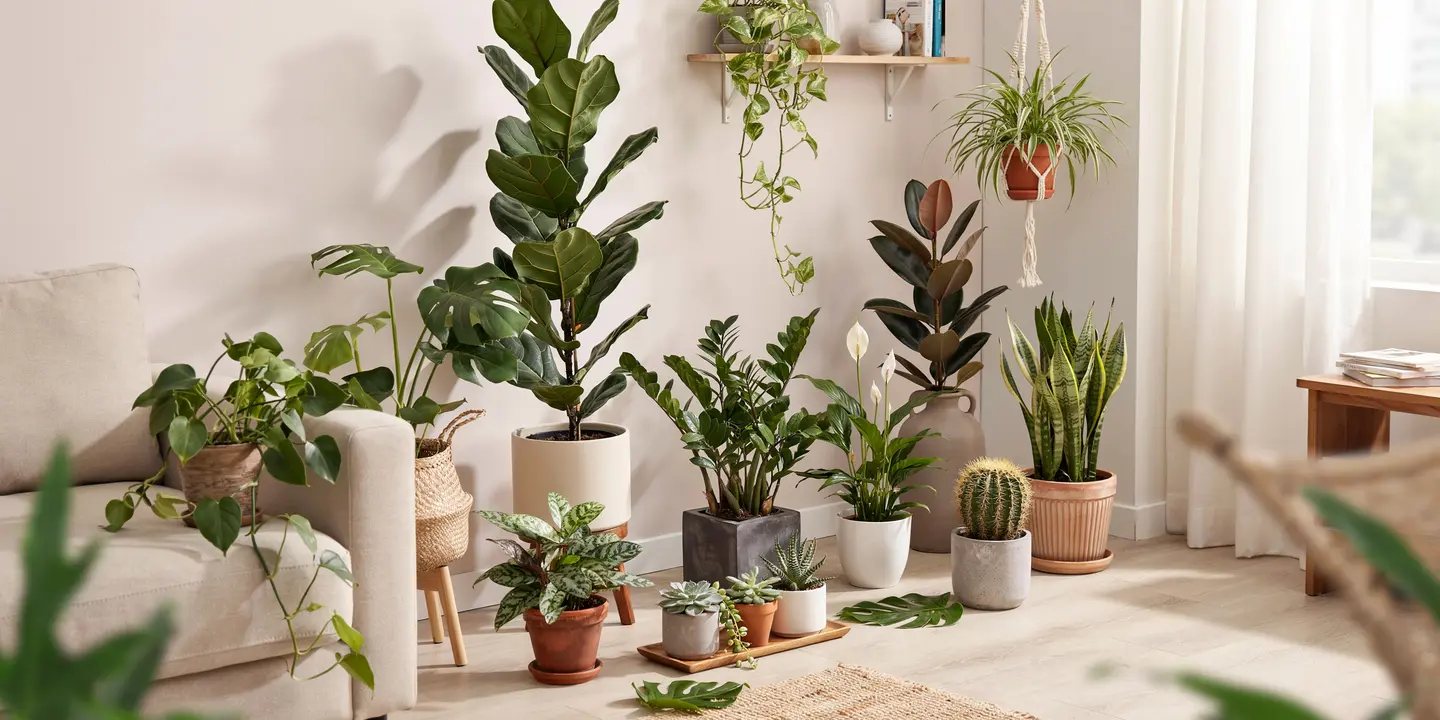
The watering frequencies below are intended as general guidelines for healthy plants growing indoors under average conditions. Your plant may need water more or less often depending on the amount of light it receives, the season, the size of the pot, humidity levels, and the type of soil you're using.
Always check the soil before watering rather than following these estimates blindly.
Snake Plant
Snake plants are among the most drought-tolerant houseplants available. Their thick leaves store water, allowing them to go for extended periods without needing another drink.
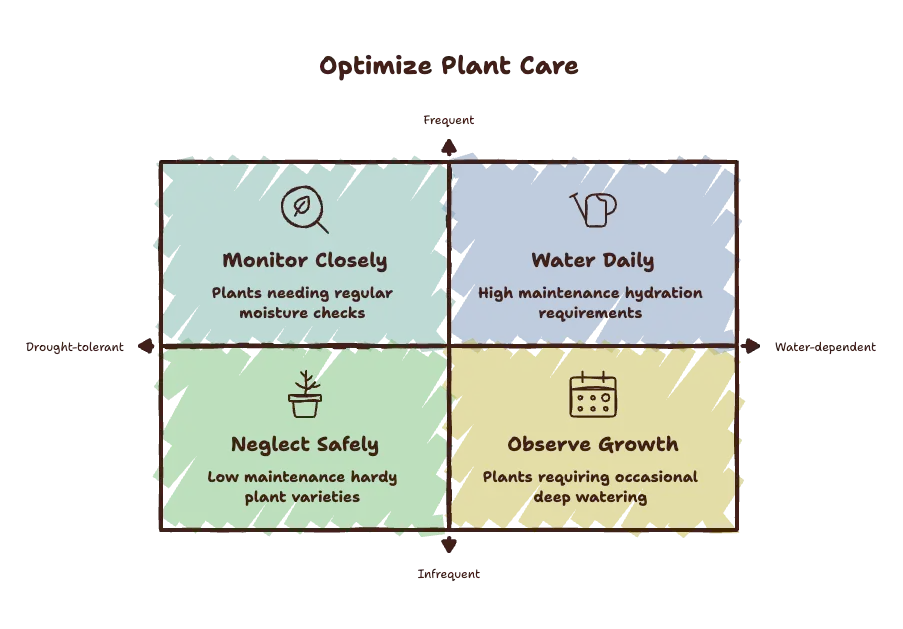
Typical watering frequency:
- Every 2–4 weeks during spring and summer.
- Every 4–6 weeks during winter.
Allow the soil to dry out completely before watering again.
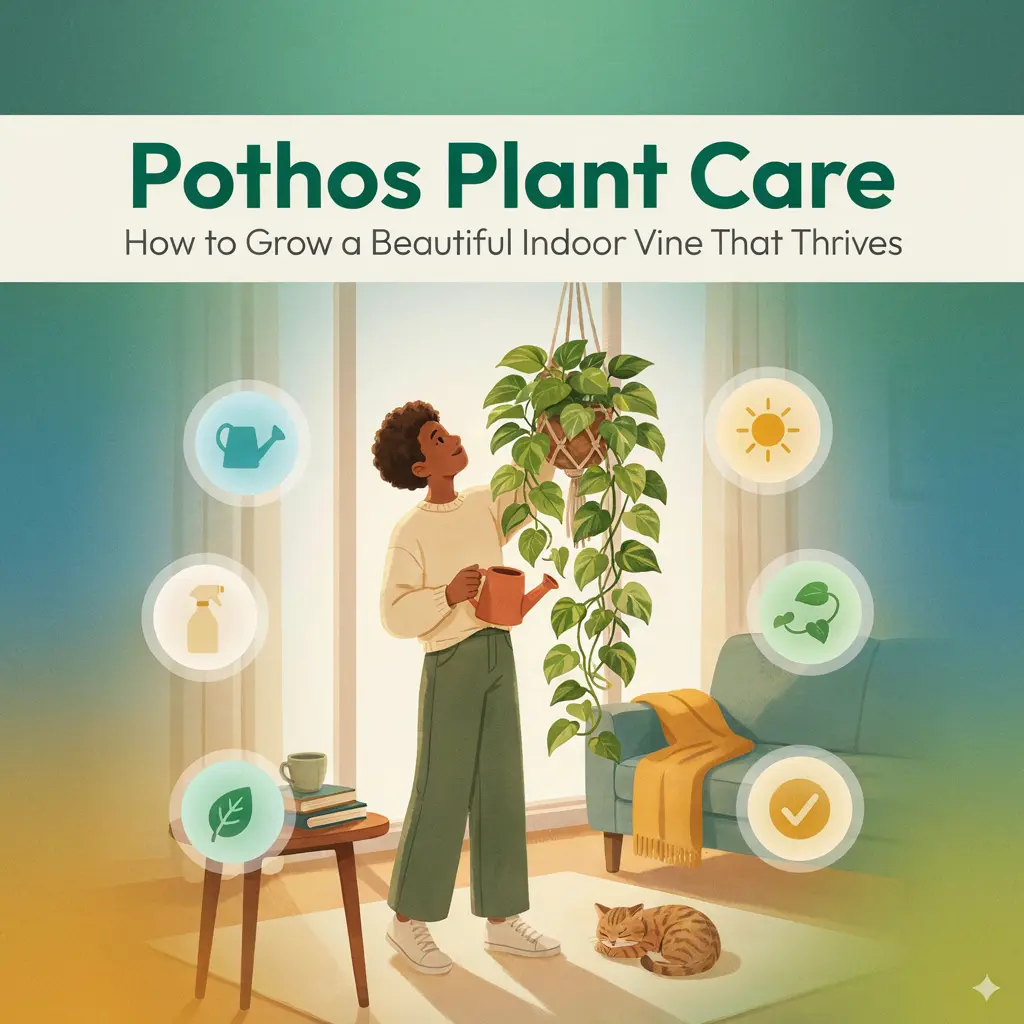
Pothos
Pothos are forgiving plants that enjoy lightly moist soil but don't like sitting in water. They generally tell you when they're thirsty by slightly drooping their leaves.
Typical watering frequency:
- Every 7–10 days during the growing season.
- Every 10–14 days during winter.
Water once the top 1–2 inches of soil feel dry.
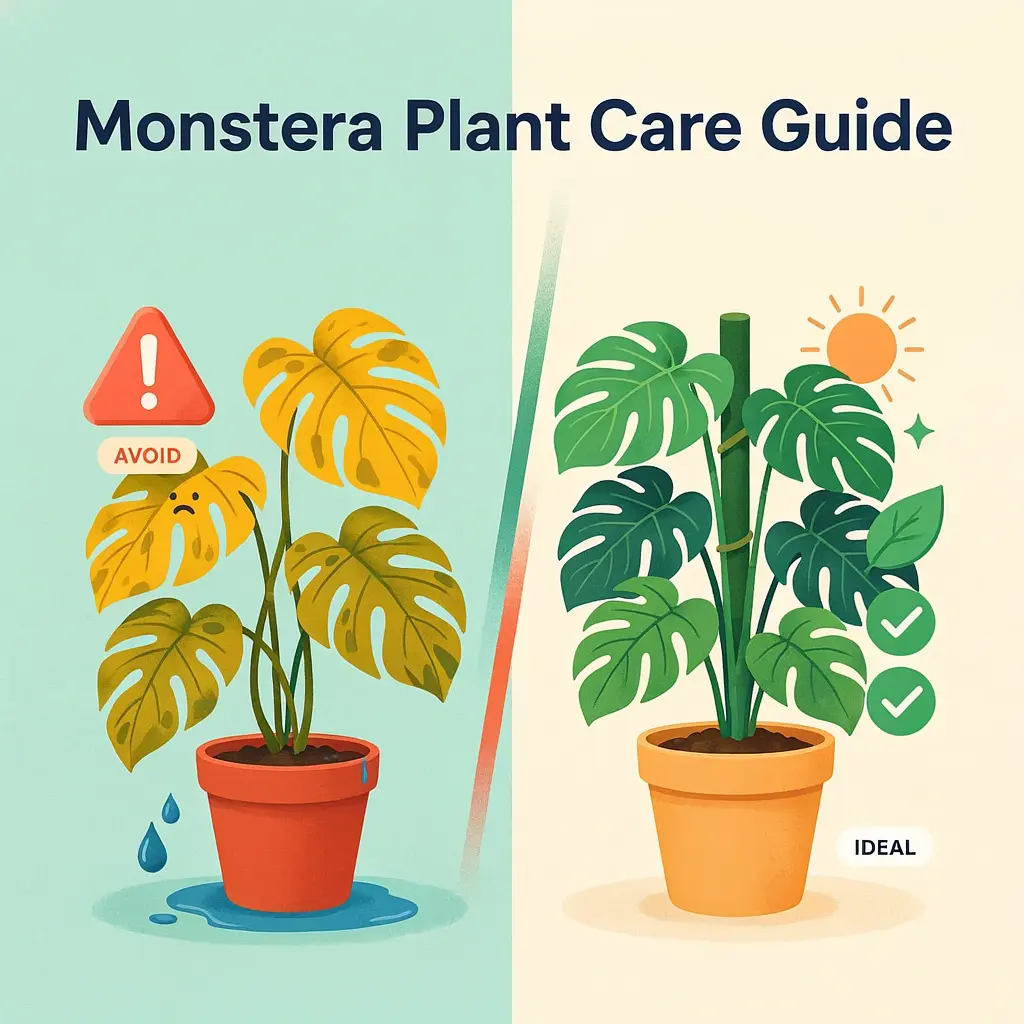
Monstera
Monsteras grow quickly in bright, indirect light and use more water during active growth. They prefer evenly moist soil but dislike soggy roots.
Typical watering frequency:
- Every 7–10 days in spring and summer.
- Every 10–14 days in cooler months.
Always allow the top few inches of soil to dry before watering again.
ZZ Plant
The ZZ plant is another excellent choice for beginners because it stores water in underground rhizomes.
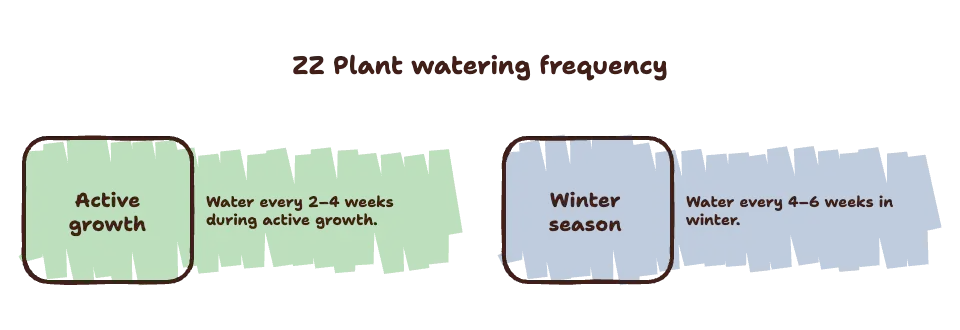
Typical watering frequency:
- Every 2–4 weeks during active growth.
- Every 4–6 weeks in winter.
When in doubt, it's safer to wait a few extra days than to water too soon.
Peace Lily
Peace lilies prefer consistently moist soil and are quick to let you know when they're thirsty. Their leaves often droop noticeably before recovering within hours of watering.
Typical watering frequency:
- Every 5–7 days during warmer months.
- Every 7–10 days during winter.
Avoid letting the soil dry out completely.
Spider Plant

Spider plants are adaptable and fairly forgiving, making them popular among beginner plant owners.
Typical watering frequency:
- Every 7–10 days in spring and summer.
- Every 10–14 days during winter.
Allow the top inch of soil to dry before watering.
Philodendron
Most philodendrons enjoy slightly moist soil while still benefiting from good drainage.
Typical watering frequency:
- Every 7–10 days during active growth.
- Every 10–14 days in winter.
Leaves that begin to droop slightly often indicate it's time to water.
Rubber Plant
Rubber plants grow steadily and appreciate moderate watering. Overwatering is one of the most common issues they face.
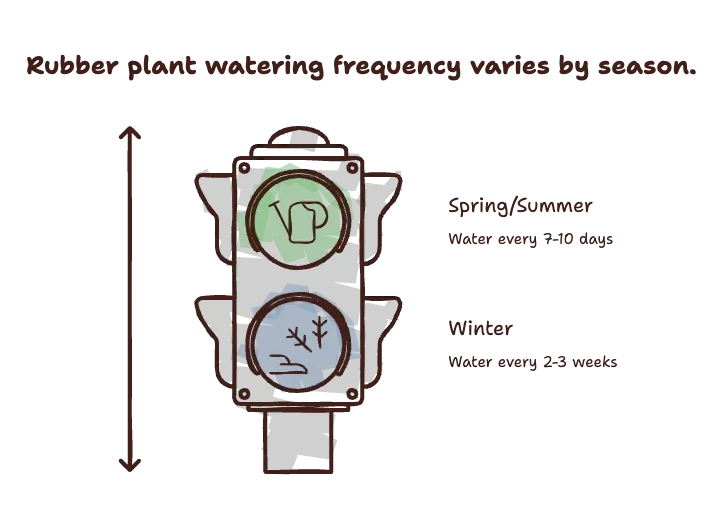
Typical watering frequency:
- Every 7–10 days during spring and summer.
- Every 2–3 weeks during winter.
Allow the top couple of inches of soil to dry before watering.
Chinese Evergreen
Chinese evergreens tolerate lower light better than many houseplants and generally require less frequent watering.
Typical watering frequency:
- Every 10–14 days during active growth.
- Every 2–3 weeks during winter.
Keep the soil lightly moist without allowing it to stay constantly wet.
Succulents
Succulents are built to survive drought by storing water inside their leaves. Frequent watering is far more dangerous than occasional dryness.
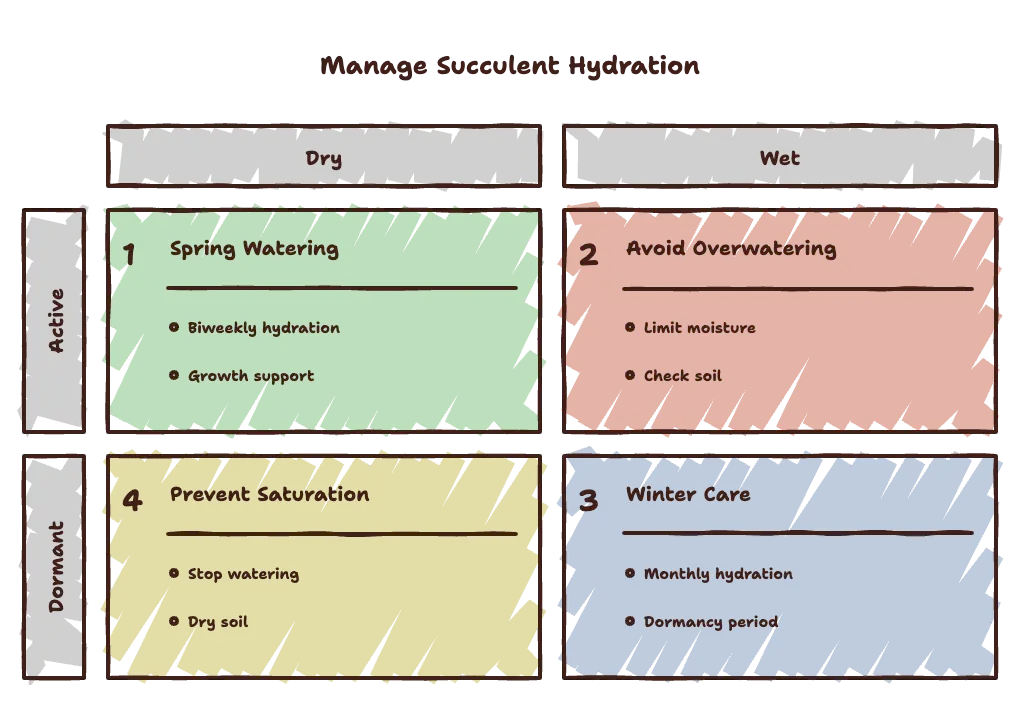
Typical watering frequency:
- Every 2–3 weeks during spring and summer.
- Every 3–5 weeks during winter.
Wait until the soil is completely dry before watering thoroughly.
Cactus
Cacti require even less water than most succulents and thrive when allowed to dry out completely.
Typical watering frequency:
- Every 3–4 weeks during the growing season.
- Every 4–8 weeks during winter.
Good drainage is essential to prevent root rot.
Fiddle Leaf Fig
Fiddle leaf figs prefer consistent watering but are sensitive to overwatering. They perform best when their soil cycles between lightly moist and slightly dry.

Typical watering frequency:
- Every 7–10 days during spring and summer.
- Every 10–14 days during winter.
Check the top 2 inches of soil before watering.
Quick Watering Guide
Plant | Average Watering Frequency |
Snake Plant | Every 2–4 weeks |
Pothos | Every 7–10 days |
Monstera | Every 7–10 days |
ZZ Plant | Every 2–4 weeks |
Peace Lily | Every 5–7 days |
Spider Plant | Every 7–10 days |
Philodendron | Every 7–10 days |
Rubber Plant | Every 7–10 days |
Chinese Evergreen | Every 10–14 days |
Succulents | Every 2–3 weeks |
Cactus | Every 3–4 weeks |
Fiddle Leaf Fig | Every 7–10 days |
Remember: Your Plant Doesn't Own a Calendar
These watering schedules are useful starting points, but they should never replace observation. A pothos growing beside a bright south-facing window in midsummer may need water twice as often as one sitting in a shaded office. Likewise, a snake plant in a cool room during winter may happily go well over a month without needing another drink.
Instead of asking, "How many days has it been?" get into the habit of asking, "Is the soil actually dry enough?" That simple change in mindset is one of the quickest ways to become a more confident and successful indoor plant owner.
How to Know Your Plant Actually Needs Water
One of the best skills any plant owner can develop is knowing when to water instead of how often to water. While schedules can provide a rough guideline, your plant will always give you better information than a calendar.
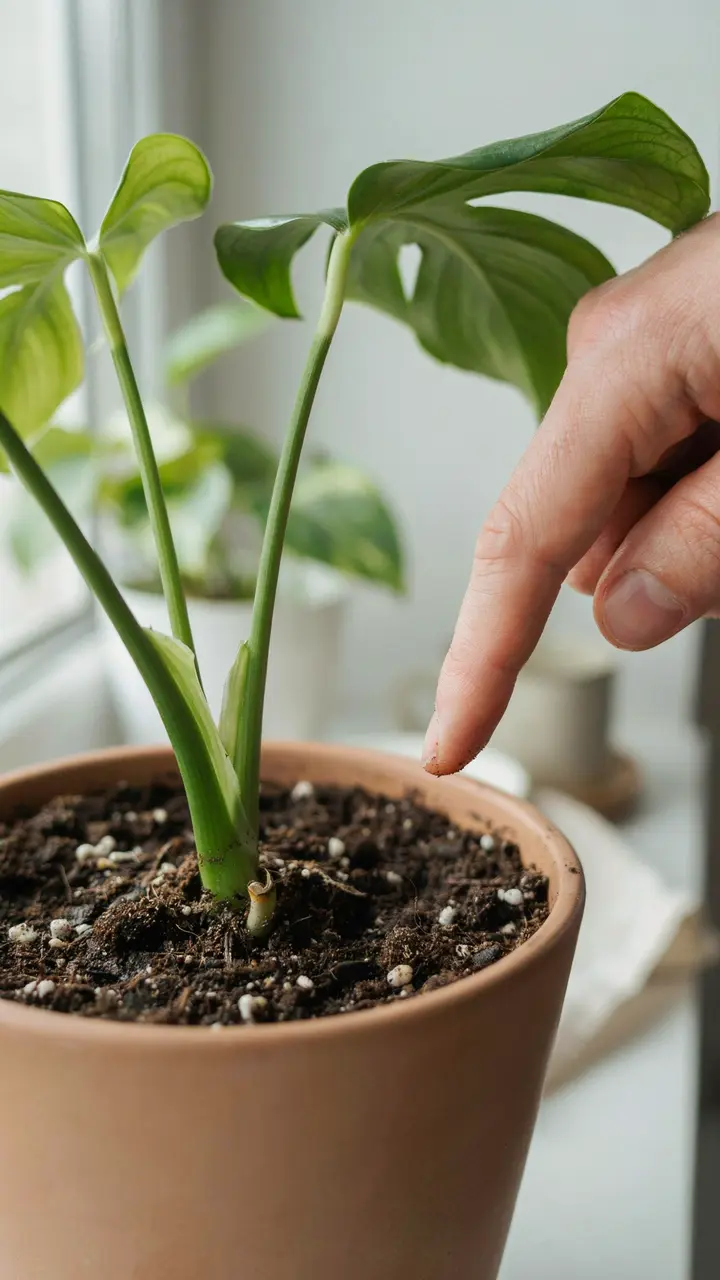
By checking your plant before reaching for the watering can, you'll dramatically reduce the risk of both overwatering and underwatering. Here are the most reliable ways to tell if your indoor plant is actually ready for a drink.
1. Use the Finger Test
The finger test is one of the simplest and most effective methods for checking soil moisture.
Insert your finger about 1–2 inches (2.5–5 cm) into the soil.
- If the soil feels cool and moist, wait a few more days.
- If it feels dry at that depth, it's usually time to water.
- If only the surface is dry but the soil underneath is still damp, your plant can likely wait.
Different plants have different preferences. Tropical plants may be watered when the top inch is dry, while succulents and cacti should be allowed to dry out much deeper.
2. Try the Wooden Chopstick Method
A clean wooden chopstick or bamboo skewer works much like a cake tester.
Insert it deep into the soil and leave it there for a minute before removing it.
If the wood comes out dark or damp with soil sticking to it, there's still plenty of moisture below the surface. If it comes out clean and dry, it's probably time to water.
This method is especially useful for large pots where surface soil can dry long before the deeper roots do.
3. Lift the Pot
Experienced plant owners often judge moisture simply by lifting the pot.
A freshly watered pot feels noticeably heavier because the soil is full of water. As the soil dries, the pot becomes much lighter.
If you regularly pick up your plants after watering, you'll quickly learn to recognize the difference between a hydrated plant and one that's ready for another drink.
This technique works best with small and medium-sized pots.
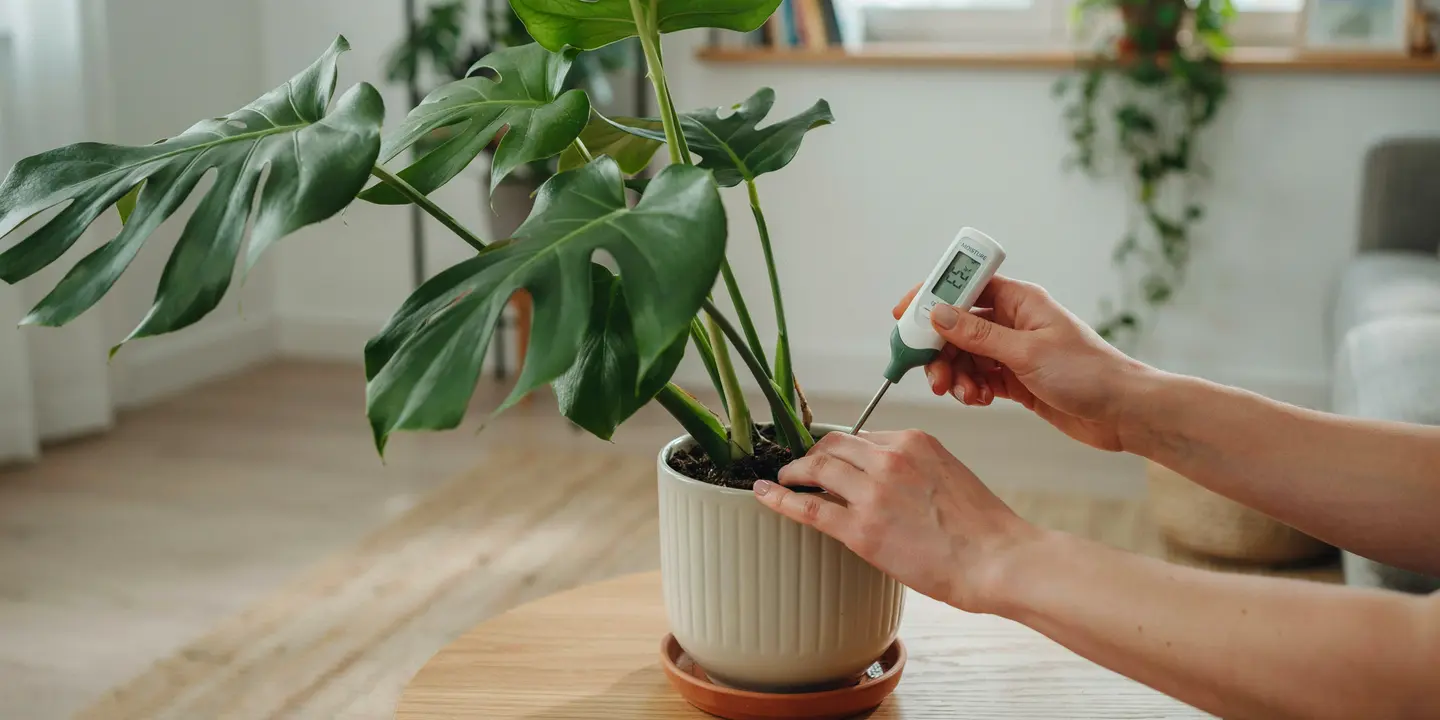
4. Use a Moisture Meter
If you're caring for several houseplants or simply want extra confidence, a moisture meter can be a worthwhile investment.
The probe is inserted into the soil, providing a quick reading of moisture levels around the roots.
While moisture meters aren't perfect, they can be particularly helpful for beginners and for large indoor plants where it's difficult to judge soil moisture by touch alone.
Think of them as a helpful guide rather than a replacement for observation.
5. Watch Your Plant's Leaves
Many houseplants communicate their needs through their leaves.
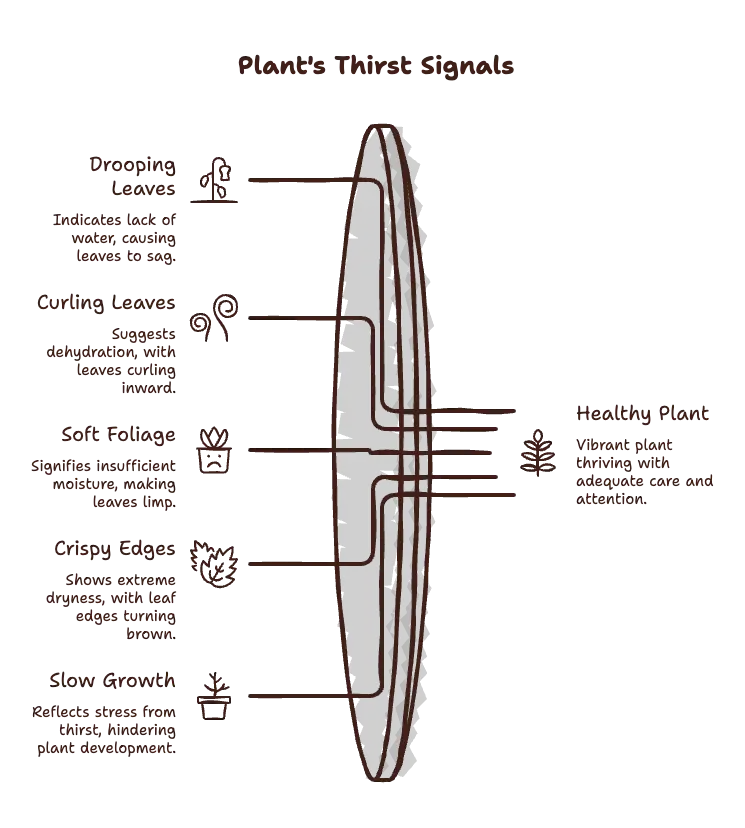
Signs your plant may be thirsty include:
- Slight drooping
- Leaves curling inward
- Soft or limp foliage
- Crispy brown leaf edges
- Slower than normal growth
However, be careful, drooping leaves can also be a sign of overwatering. Always check the soil before assuming your plant needs more water.
6. Check the Soil's Appearance
Healthy potting soil changes appearance as it dries.
Dry soil often becomes:
- Lighter in color
- Crumbly in texture
- Slightly separated from the edges of the pot
Moist soil usually appears darker, feels cool to the touch, and sticks together more easily.
Learning to recognize these visual cues can help you make faster watering decisions.
7. Observe the Pot and Drainage
Drainage holes can also reveal useful information.
If water is still dripping from the drainage holes hours after watering, the soil may be retaining too much moisture.
Likewise, if the pot feels extremely light and the soil has shrunk away from the sides, it's a strong indication that the potting mix has become very dry and needs rehydrating.
Which Method Is Most Reliable?
Every method has its strengths, but combining several of them gives you the most accurate picture.
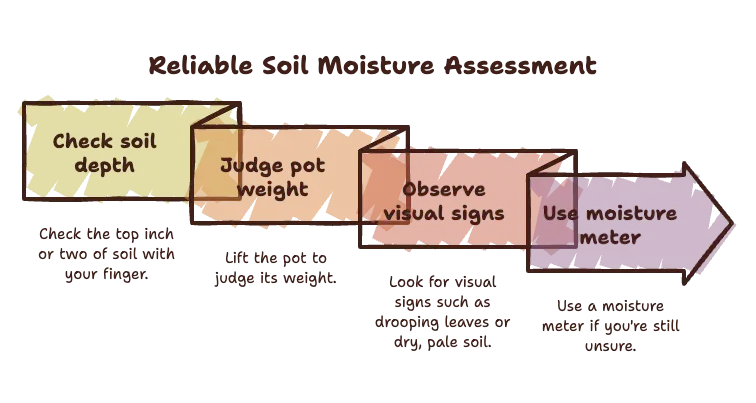
A simple routine might look like this:
- Check the top inch or two of soil with your finger.
- Lift the pot to judge its weight.
- Look for visual signs such as drooping leaves or dry, pale soil.
- Use a moisture meter if you're still unsure.
By using multiple cues, you'll make far better watering decisions than relying on a schedule alone.
Trust the Soil More Than the Calendar
The biggest mistake many indoor plant owners make is watering because "it's been a week." Plants don't measure time, they respond to their environment.
Instead of sticking to a fixed routine, let the soil guide your decisions. A quick moisture check takes less than a minute and can prevent many of the most common plant care problems.
The more often you observe your plants, the easier it becomes to recognize their individual needs. Before long, you'll be able to tell when they're thirsty with confidence, keeping your indoor garden healthier, stronger, and thriving throughout the year.
Signs You're Watering Too Much
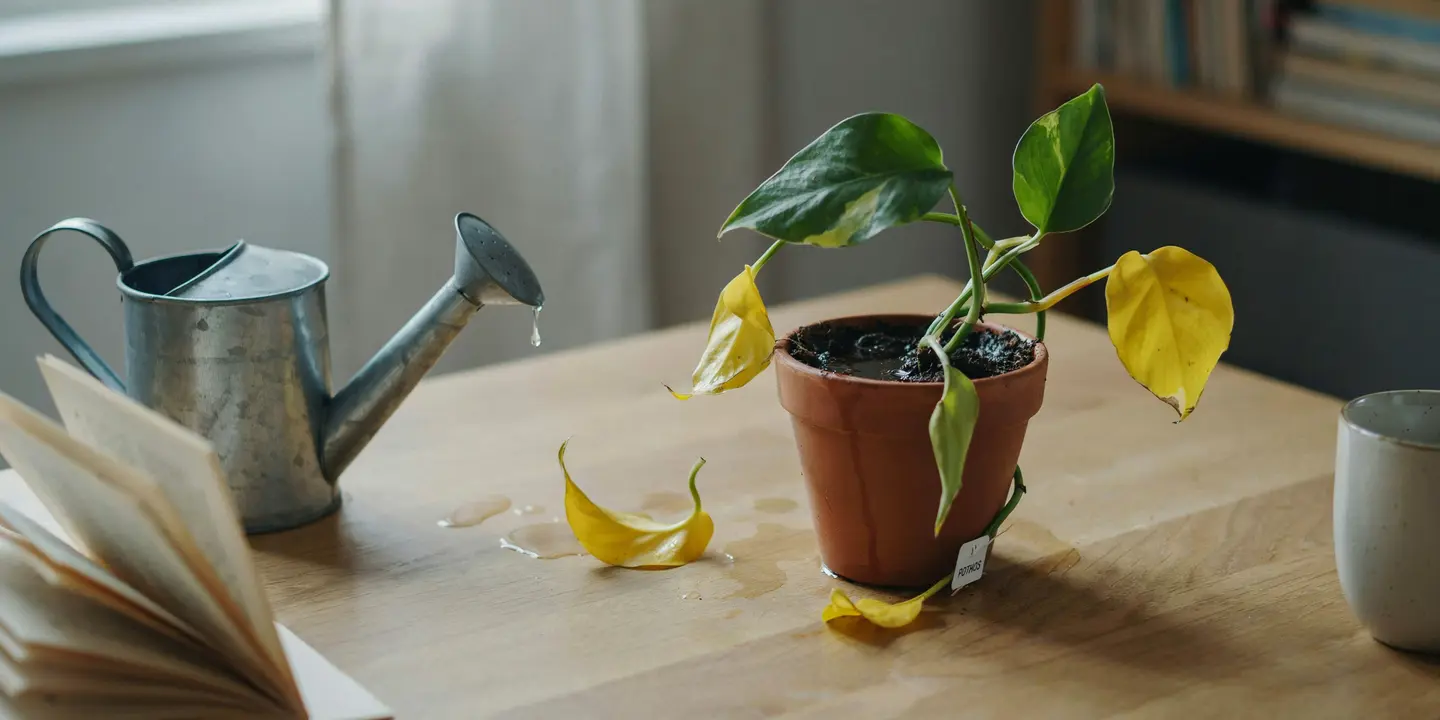
When an indoor plant starts looking unhealthy, the first instinct for many people is to give it more water. Ironically, that's often the exact opposite of what it needs.
Overwatering is one of the leading causes of houseplant problems. Contrary to popular belief, it's not the amount of water you pour into the pot during a single watering that's usually the issue, it's watering too frequently and keeping the soil wet for too long. Healthy roots need oxygen as much as they need moisture, and constantly saturated soil prevents them from breathing.
Learning to recognize the early warning signs of overwatering can help you correct the problem before permanent damage occurs.
1. Yellow Leaves
Yellowing leaves are one of the most common symptoms of overwatering.
When roots sit in soggy soil, they struggle to absorb oxygen and nutrients. As a result, older leaves often begin turning yellow before eventually dropping off.
A few yellow leaves occasionally aren't unusual, but widespread yellowing, especially when the soil is consistently wet, is a strong indication that your watering routine needs adjusting.
2. Soft, Mushy Stems
Healthy stems should feel firm and sturdy.
If stems become soft, mushy, or begin collapsing near the base of the plant, excess moisture may be causing the tissues to break down. This is often an early sign that root rot or stem rot is developing.
At this stage, it's important to reduce watering immediately and inspect the roots if possible.
3. Root Rot
Root rot is one of the most serious consequences of chronic overwatering.
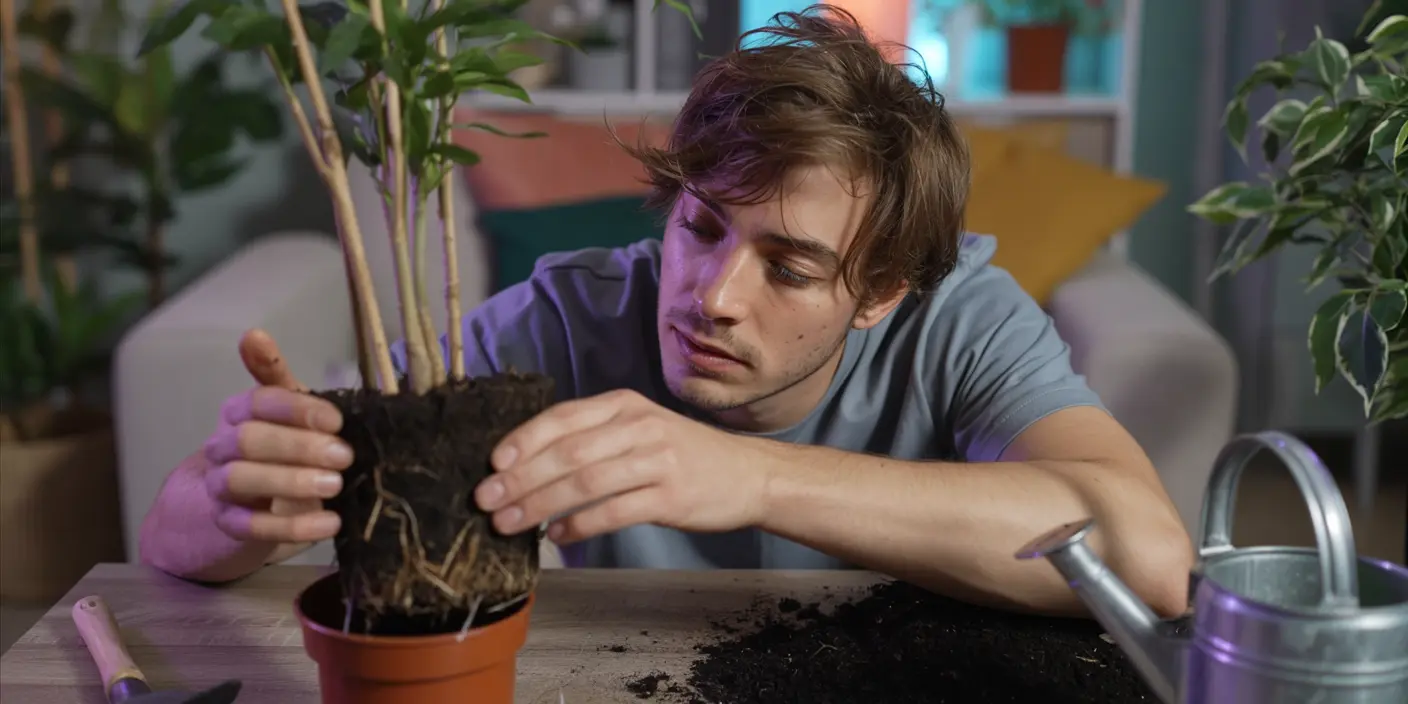
When roots remain submerged in waterlogged soil, fungi and bacteria can begin attacking them. Healthy white roots gradually turn brown or black, becoming soft and slimy instead of firm.
Unfortunately, root rot often goes unnoticed until the plant begins showing severe symptoms above the soil.
Signs of root rot include:
- Persistent wilting despite wet soil
- Black or mushy roots
- Foul-smelling potting mix
- Yellowing leaves
- Stunted growth

If caught early, trimming away damaged roots and repotting into fresh, well-draining soil can sometimes save the plant.
4. Fungus Gnats
Tiny black flies hovering around your houseplants are often fungus gnats.
These insects are attracted to consistently damp potting soil where they lay their eggs. While the adult gnats are mostly a nuisance, their larvae feed on organic matter and may damage delicate roots in severe infestations.
If fungus gnats keep appearing, it's usually a sign that your soil is staying wet longer than it should.
Allowing the soil to dry more thoroughly between waterings often helps break their life cycle.
5. Mold Growing on the Soil
White, gray, or fuzzy mold on the surface of the soil is another indicator of excessive moisture.
Although surface mold isn't always harmful by itself, it suggests the soil isn't drying properly between waterings.
Improving airflow, reducing watering frequency, and removing the affected top layer of soil can usually resolve the problem.
6. Wilting Even Though the Soil Is Wet
One of the most confusing symptoms of overwatering is wilting.
Many people assume drooping leaves always mean a plant is thirsty. In reality, damaged roots can no longer absorb water effectively, even when surrounded by wet soil.
The result is a plant that appears dehydrated despite having plenty of moisture available.
This is why checking the soil before watering is so important.
7. A Bad Smell Coming From the Pot
Healthy potting soil has a mild, earthy scent.
If your pot begins smelling sour, musty, or rotten, excess moisture may be encouraging bacterial or fungal growth beneath the surface.
An unpleasant odor is often one of the clearest signs that the root system needs attention.
8. Slow or Stunted Growth
Plants suffering from chronic overwatering often stop producing new leaves.
Instead of putting energy into growth, they struggle to keep their damaged root systems alive. If your plant hasn't shown any new growth for weeks during the growing season and the soil is consistently damp, overwatering could be the cause.
Why Overwatering Is More Dangerous Than Underwatering
Many houseplants can recover surprisingly well after being slightly underwatered. Once watered thoroughly, they often perk up within hours or days.
Overwatering, however, is more destructive because it damages the root system itself. Without healthy roots, the plant can't absorb water or nutrients, even when they're readily available.
That's why experienced plant owners often follow a simple rule:
When you're unsure whether to water today or wait another day, waiting is usually the safer choice for most indoor plants.
What to Do If You've Been Overwatering
If you suspect your plant has been receiving too much water, don't panic. Many plants recover if the problem is caught early.

Here's what you should do:
- Stop watering until the soil has dried to the appropriate depth.
- Check that your pot has drainage holes.
- Empty any standing water from saucers or decorative cachepots.
- Move the plant to an area with bright, indirect light to encourage healthy growth.
- Improve airflow around the plant if possible.
- If root rot is suspected, gently remove the plant from its pot, trim away damaged roots, and repot it in fresh, well-draining soil.
Prevention Is Easier Than Treatment
The easiest way to avoid overwatering is to replace routine with observation.
Instead of watering because it's "watering day," check the soil first. A quick finger test, a moisture meter, or simply lifting the pot can tell you far more than the calendar ever will.
By allowing your plants to dry to the appropriate level before watering again, you'll encourage stronger root systems, healthier foliage, and long-lasting indoor plants that continue to thrive year after year.
Signs Your Plant Needs More Water
While overwatering is the most common cause of indoor plant problems, underwatering can also affect your plant's health and appearance. The good news is that plants are usually quick to show when they're thirsty, and in many cases, they bounce back rapidly after a proper watering.
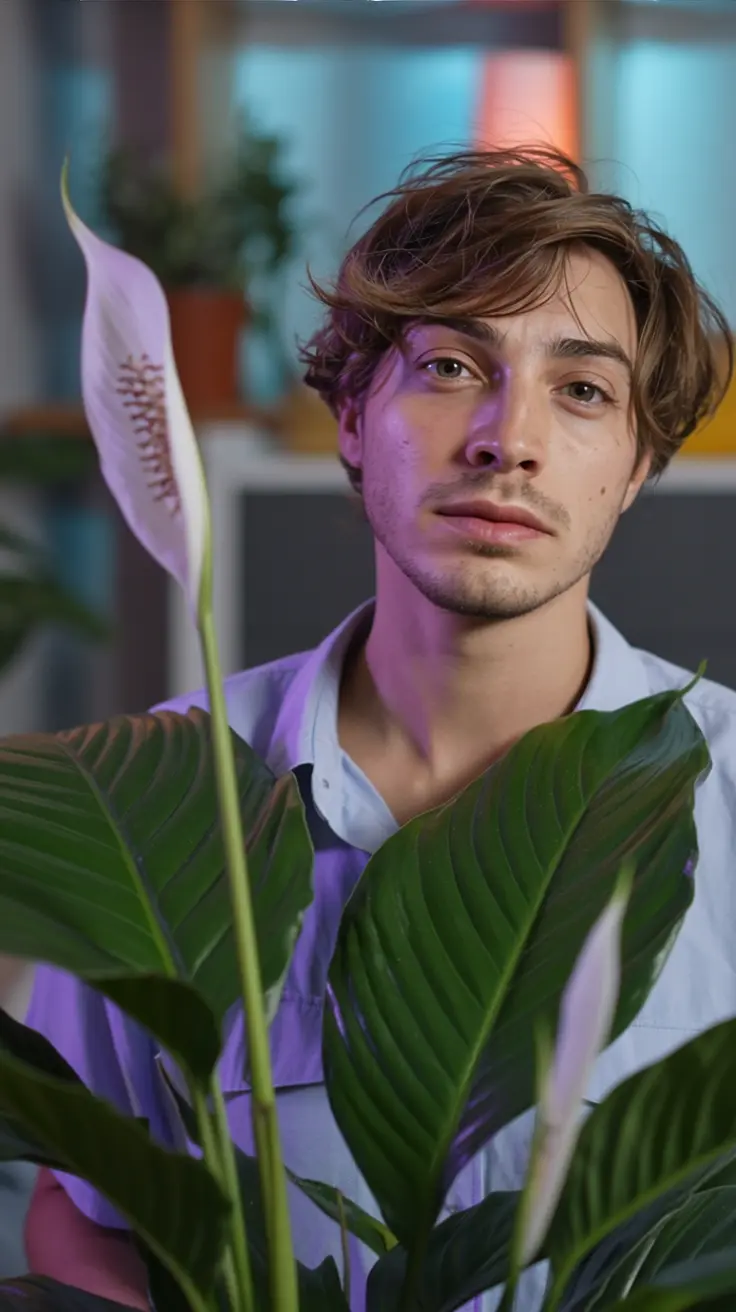
The key is learning to recognize the difference between a plant that's genuinely lacking water and one that's suffering from another issue. By paying attention to both your plant and its soil, you'll know exactly when it's time to reach for the watering can.
1. Dry Soil
The most reliable sign that a plant needs water is dry soil.
Insert your finger about 1–2 inches into the potting mix. If it feels dry at the depth appropriate for your plant, it's usually time to water.
For drought-tolerant plants like snake plants, succulents, and cacti, the soil should be almost completely dry before watering. Tropical plants such as pothos, monsteras, and peace lilies generally prefer to be watered once the top layer has dried out.
Always let the soil guide your decision.
2. Drooping Leaves
Drooping leaves are one of the first visible signs of dehydration.
When a plant doesn't have enough water, it loses the internal pressure that keeps its stems and leaves firm. As a result, the foliage begins to sag or droop.
Unlike overwatering, thirsty plants often recover within a few hours after being watered thoroughly.
However, because drooping can also indicate root problems caused by excess water, it's important to check the soil before assuming your plant is thirsty.
3. Crispy Brown Leaf Edges
Brown, dry edges on leaves are another common symptom of underwatering.
As moisture becomes scarce, the plant prioritizes its newer growth and essential tissues, causing the edges or tips of older leaves to dry out first.
Keep in mind that low humidity, excess fertilizer, or mineral buildup from hard water can also contribute to brown leaf tips, so consider the overall condition of the plant rather than relying on a single symptom.
4. Curling or Wrinkled Leaves
Some houseplants respond to dehydration by curling their leaves inward to reduce water loss.
Succulents may develop wrinkled, shriveled leaves as they use the water stored inside them.
These changes are natural survival mechanisms and usually improve after proper watering.
5. Slow or Stopped Growth
Water is essential for photosynthesis and transporting nutrients throughout the plant.

If your plant isn't receiving enough moisture, new growth may slow dramatically or stop altogether. You might notice:
- Smaller new leaves
- Fewer new stems
- Longer gaps between periods of growth
- Overall lack of vigor
If growth has stalled during spring or summer, underwatering could be one of the contributing factors.
6. Soil Pulling Away From the Pot
When potting soil becomes extremely dry, it often shrinks.
You may notice gaps forming between the soil and the inside edge of the pot. This indicates that the potting mix has lost a significant amount of moisture.
Very dry soil can sometimes become water-repellent, causing water to run straight through the pot instead of soaking in. If this happens, watering more slowly or bottom watering can help the soil rehydrate evenly.
7. A Lightweight Pot
As soil dries out, the entire pot becomes noticeably lighter.
Many experienced plant owners simply lift their pots every few days to judge moisture levels.
A pot that's much lighter than usual is often ready for watering, while a heavy pot still contains plenty of moisture.
Over time, this becomes one of the quickest and most reliable ways to check your plants.
8. Dull, Lifeless Leaves
Healthy leaves often have a natural shine and firmness.
When a plant lacks water, its leaves may begin to look:
- Dull
- Limp
- Thin
- Less vibrant than usual
These subtle changes often appear before more serious symptoms develop, making them useful early warning signs.
What to Do If Your Plant Is Underwatered
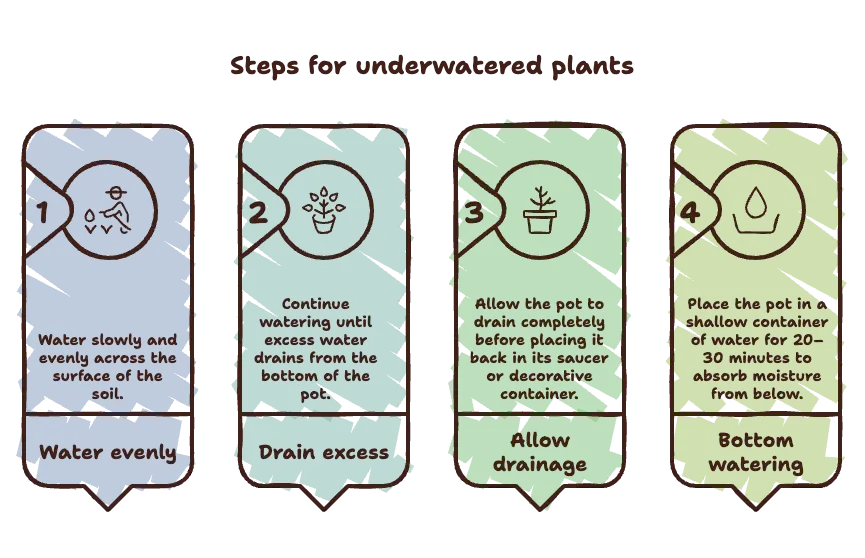
If you've determined that your plant genuinely needs water, give it a deep, thorough watering rather than a small splash.
Here's the proper approach:
- Water slowly and evenly across the surface of the soil.
- Continue watering until excess water drains from the bottom of the pot.
- Allow the pot to drain completely before placing it back in its saucer or decorative container.
- If the soil has become extremely dry and water runs straight through, consider bottom watering by placing the pot in a shallow container of water for 20–30 minutes, allowing the soil to absorb moisture from below.
Avoid giving your plant frequent small amounts of water, as this often wets only the surface while leaving the deeper roots dry.
Learn to Read the Whole Plant
No single symptom should determine when you water.
For example, drooping leaves alone don't always mean your plant is thirsty. Yellow leaves aren't always caused by overwatering. The healthiest watering decisions come from combining several clues:
- Check the soil.
- Observe the leaves.
- Lift the pot.
- Consider the season.
- Think about how much light the plant receives.
When all of these signs point in the same direction, you can water with confidence.
Observation Beats Routine Every Time
Successful indoor gardening isn't about memorizing schedules, it's about paying attention.
The more time you spend observing your plants, the easier it becomes to recognize their unique patterns. Some will clearly communicate when they're thirsty, while others remain more subtle. With experience, you'll begin noticing small changes long before serious problems develop.
A few moments of observation before watering can make the difference between a struggling houseplant and one that stays healthy, vibrant, and full of life all year round.
Best Time of Day to Water Indoor Plants
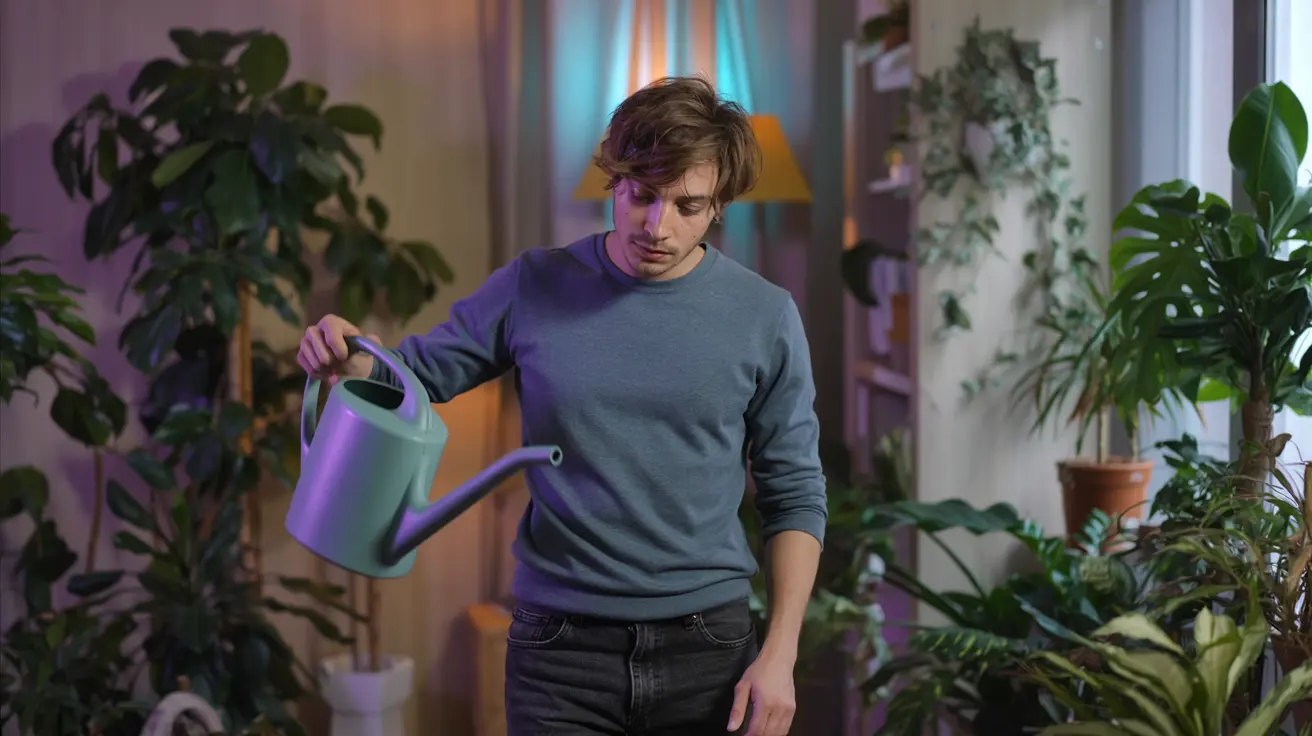
If you've figured out when your plant needs water, the next question is often when during the day you should water it. While timing isn't nearly as important as watering correctly, choosing the right time can help your plants absorb moisture more efficiently and reduce the risk of common problems.
The good news is that indoor plants are generally more forgiving than outdoor plants. Since they're protected from intense midday sun, wind, and rain, you have more flexibility. Even so, some times of day are better than others.
Morning: The Best Time to Water
For most indoor plants, morning is the ideal time to water.
Watering early gives the roots plenty of time to absorb moisture before temperatures rise later in the day. It also allows any excess water on the leaves or soil surface to evaporate naturally, reducing the chance of mold or fungal issues.
Morning watering offers several benefits:
- Plants begin the day fully hydrated.
- Soil moisture is available during the most active part of the day.
- Leaves dry more quickly if they accidentally get wet.
- Roots have time to absorb water before cooler nighttime temperatures.
If you have a regular routine, watering in the morning can also help you notice changes in your plants before heading out for the day.
Afternoon: Perfectly Acceptable
If mornings don't fit your schedule, watering during the afternoon is still a great option.
Indoor environments remain relatively stable throughout the day, so watering in the afternoon rarely causes problems.
The only thing to avoid is watering a plant that's sitting in intense direct sunlight through a hot window. In those cases, waiting until the room cools slightly can reduce unnecessary stress.
For most homes, afternoon watering is completely safe and effective.
Evening: Usually Fine, With a Few Considerations
Contrary to popular belief, watering indoor plants in the evening isn't automatically harmful.
However, cooler nighttime temperatures mean moisture tends to remain in the soil longer. If your home has poor airflow or consistently high humidity, constantly damp soil overnight may encourage fungal growth over time.

If evening is the only convenient time for you to water, don't worry. Simply make sure you:
- Water only when the soil actually needs it.
- Avoid soaking the leaves unnecessarily.
- Empty saucers after the pot has drained.
- Ensure the pot has proper drainage holes.
Healthy roots are much more important than the exact hour on the clock.
Should You Water on a Schedule?
Many people choose a specific day each week as "watering day." While this can serve as a helpful reminder to check your plants, it shouldn't automatically become watering day.
Instead, use your routine like this:
- Monday: Check soil moisture.
- Water only the plants that need it.
- Leave the others alone until they actually become dry enough.
This simple habit prevents one of the most common mistakes in indoor gardening: watering healthy plants simply because it's part of a routine.
Does Water Temperature Matter?
Yes, but probably not as much as you think.
Extremely cold water can temporarily shock sensitive tropical plants, while very hot water can damage delicate roots.
The safest option is to use room-temperature water whenever possible.
If you're filling your watering can from the tap, letting it sit for a short while before watering allows the temperature to stabilize naturally.
What About Watering Before Going Away?
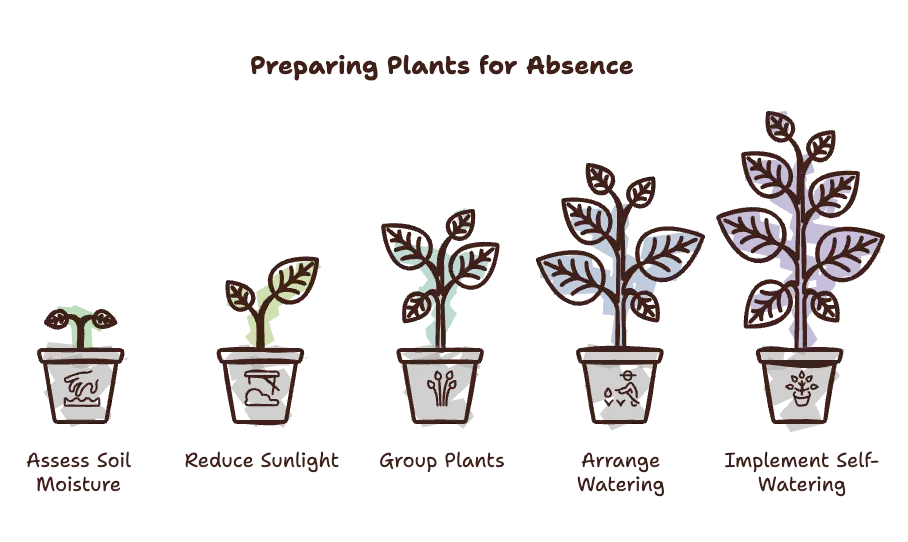
If you're leaving home for several days, resist the urge to overwater your plants "just in case."
Oversaturated soil is far more likely to cause root problems than allowing a plant to become slightly dry.
Instead:
- Water thoroughly only if the soil actually needs it.
- Move plants away from harsh direct sunlight if they'll be unattended.
- Group plants together to help maintain humidity.
- Ask someone to water them only if you'll be gone for an extended period.
- Consider self-watering systems for longer vacations.
Consistency Matters More Than Perfect Timing
While morning is generally considered the best time to water indoor plants, the difference between morning and afternoon is relatively small.
What truly matters is consistency.
Healthy watering habits include:
- Checking the soil before watering.
- Watering deeply instead of giving frequent small sips.
- Allowing excess water to drain away.
- Adjusting your routine as the seasons change.
These practices have a much greater impact on plant health than the exact time shown on your clock.
The Best Time Is When Your Plant Needs It
At the end of the day, your plant doesn't know whether it's 8 a.m. or 6 p.m., it only knows whether its roots have the right amount of moisture.
If the soil is dry and your plant is ready for water, it's better to water at a convenient time than to wait another day simply because you've missed the "perfect" hour.
By focusing on soil moisture first and timing second, you'll develop a practical watering routine that keeps your indoor plants healthy, resilient, and thriving throughout every season.
The Right Way to Water Indoor Plants
Knowing when to water is only half the equation. How you water your indoor plants is just as important.
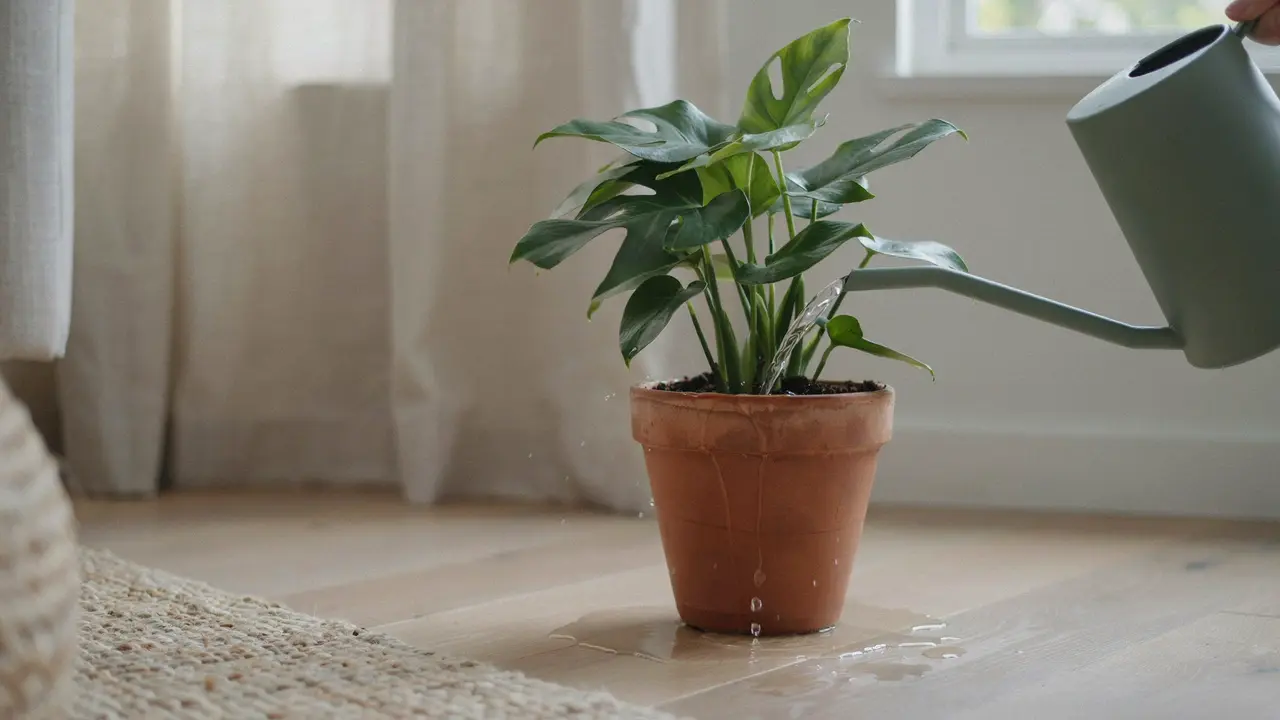
Many houseplants suffer not because they're watered too much or too little, but because they're watered incorrectly. A quick splash on the surface or constantly adding small amounts of water can lead to shallow roots, uneven moisture, and unhealthy growth.
Fortunately, watering properly is simple once you understand the basics.
Step 1: Check the Soil First
Before you reach for the watering can, always check the soil.
Use one or more of these methods:
- Insert your finger 1–2 inches into the soil.
- Lift the pot to judge its weight.
- Use a moisture meter if needed.
- Observe the appearance of the soil.
If the soil is still moist where your plant's roots are growing, wait a little longer.
Remember, watering should always be based on the plant's needs, not the calendar.
Step 2: Water Slowly and Evenly
Pour water slowly across the surface of the soil rather than dumping it all in one spot.
Moving the watering can around the entire pot helps distribute moisture evenly, ensuring every part of the root system has access to water.
Watering too quickly often causes water to rush down the sides of the pot and out through the drainage holes before the soil has time to absorb it.
A slow, steady pour is much more effective.
Step 3: Water Until It Drains Out
One of the biggest mistakes people make is giving their plants just a few tablespoons of water.
Instead, water thoroughly until excess water begins draining from the bottom of the pot.
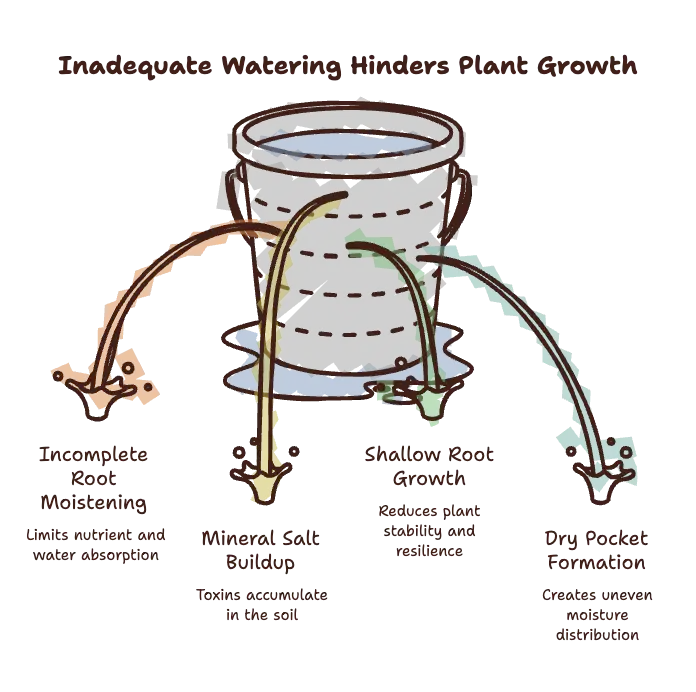
This deep watering provides several important benefits:
- Moistens the entire root system.
- Flushes out excess mineral salts.
- Encourages roots to grow deeper into the soil.
- Prevents dry pockets from forming.
Don't be afraid of seeing water come out of the drainage holes, that's exactly what should happen.
Step 4: Let Excess Water Drain Away
Once watering is complete, allow the pot to drain fully.
If your plant sits in a saucer or decorative cachepot, empty any standing water after about 10–15 minutes.
Leaving roots submerged in water for long periods deprives them of oxygen and greatly increases the risk of root rot.
Think of drainage as an essential part of watering, not an optional extra.
Step 5: Never Let Roots Sit in Water
Many indoor plants die not from the watering itself, but from standing water that remains trapped beneath the pot.
If the bottom of the pot stays submerged:
- Roots receive less oxygen.
- Soil remains wet for too long.
- Harmful fungi and bacteria multiply more easily.
- Root rot becomes much more likely.
Always ensure your containers have drainage holes, and never allow excess water to collect around the roots.
Step 6: Allow the Soil to Dry Appropriately
Different plants prefer different drying cycles.
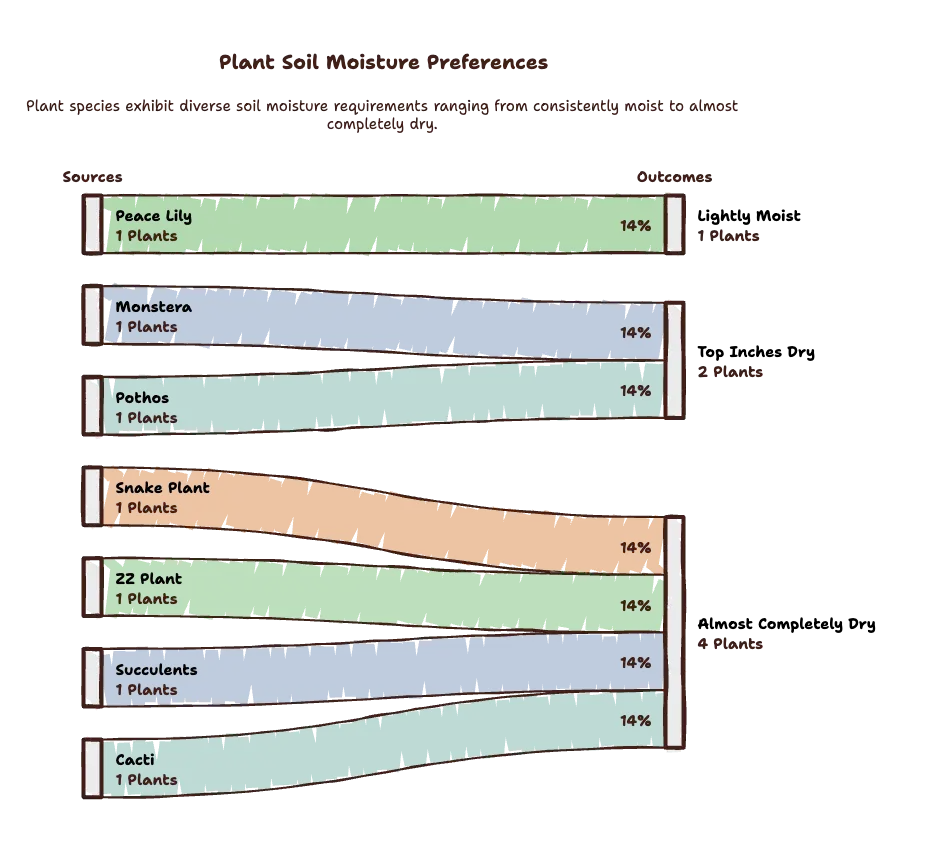
For example:
- Peace lilies prefer soil that stays lightly moist.
- Monsteras enjoy the top few inches drying before watering.
- Pothos like the top inch or two to dry out.
- Snake plants, ZZ plants, succulents, and cacti should dry almost completely before being watered again.
Learning how much drying each plant prefers is more important than watering on a fixed schedule.
Should You Water From the Top or Bottom?
Most indoor plants do perfectly well with traditional top watering.
However, bottom watering can be useful in certain situations.
Top Watering
Top watering mimics natural rainfall and helps flush minerals through the soil.
Benefits include:
- Evenly hydrates the entire soil profile.
- Removes excess fertilizer salts.
- Faster and more practical for most plant collections.
- Ideal for routine watering.
This should be your primary watering method for most houseplants.
Bottom Watering
Bottom watering involves placing the pot in a shallow container of water and allowing the soil to absorb moisture through the drainage holes.
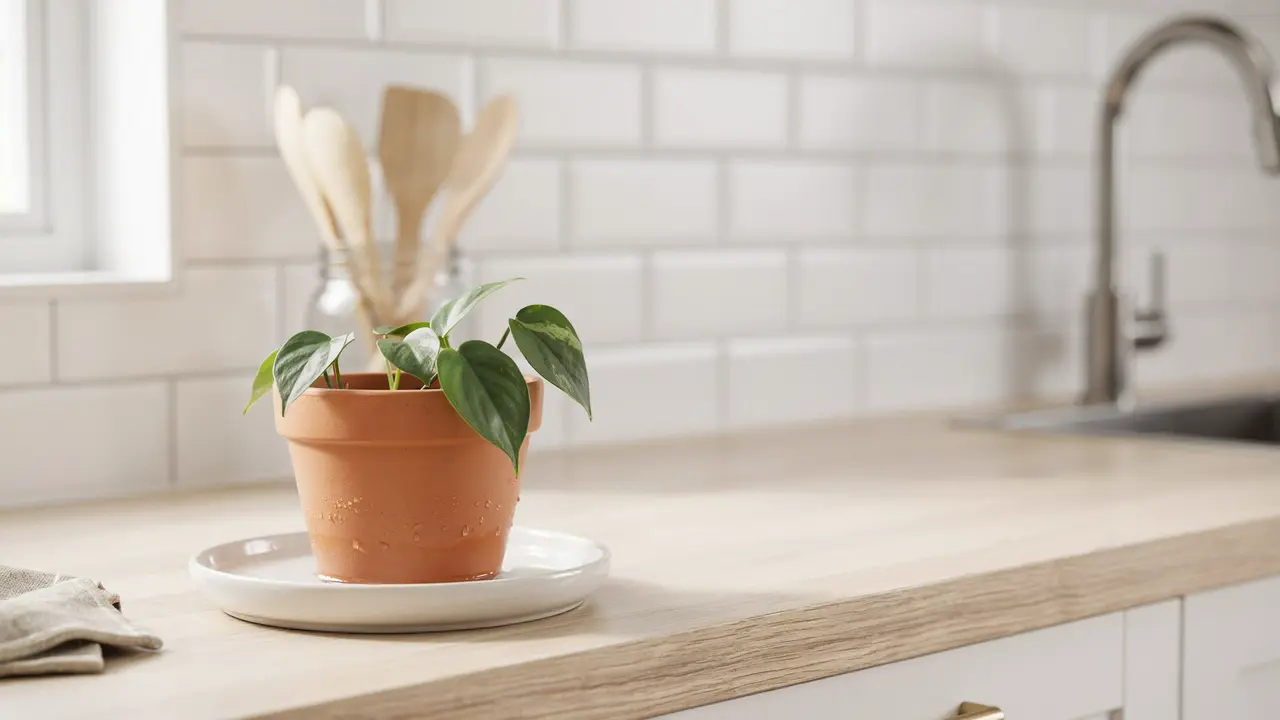
It works well when:
- Soil has become extremely dry.
- Water runs straight through the pot.
- Seedlings need gentle watering.
- You want to avoid wetting delicate foliage.
After about 20–30 minutes, remove the pot and allow excess water to drain completely.
Avoid These Common Watering Habits
Even experienced plant owners occasionally make these mistakes:
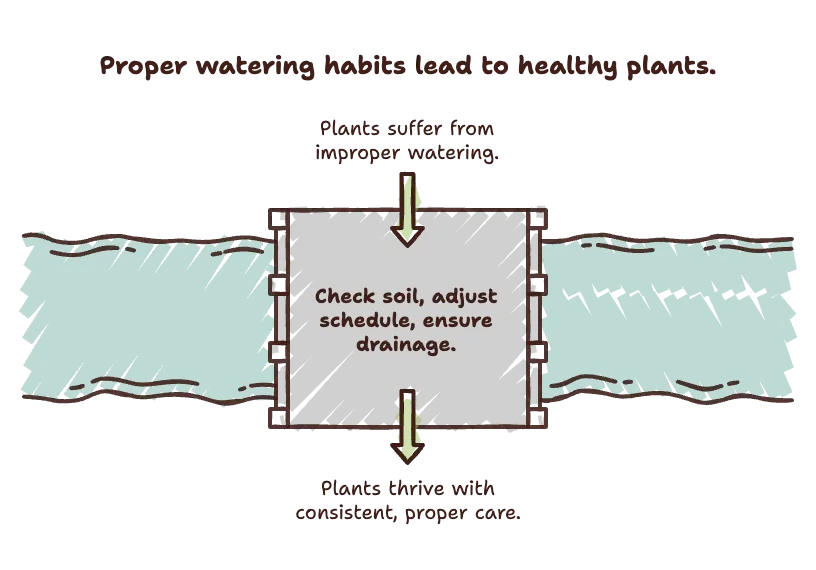
- Giving only tiny amounts of water.
- Watering every plant on the same day.
- Watering without checking the soil.
- Ignoring drainage holes.
- Leaving standing water in saucers.
- Watering because leaves droop without checking whether the soil is wet or dry.
- Forgetting to adjust watering during winter.
Replacing these habits with careful observation will make a dramatic difference in your plants' health.
A Simple Watering Routine That Works
If you're unsure where to begin, follow this easy six-step process:
- Check the soil moisture.
- Confirm your plant actually needs water.
- Water slowly and evenly.
- Continue until water drains from the bottom.
- Allow the pot to drain completely.
- Wait until the soil reaches the appropriate dryness before watering again.
This routine works for nearly every type of indoor plant and greatly reduces the chances of overwatering or underwatering.
Water Deeply, Then Wait
One of the best pieces of advice experienced gardeners share is this:
Water thoroughly, then leave your plant alone until it genuinely needs water again.
Deep watering encourages stronger roots, healthier growth, and more resilient plants. Constantly adding small amounts of water may seem caring, but it often creates shallow root systems and ongoing moisture problems.
By focusing on proper technique instead of strict schedules, you'll build healthier habits, and your indoor plants will reward you with lush foliage, stronger growth, and long-lasting beauty.
Common Indoor Plant Watering Mistakes
Even the healthiest-looking houseplants can begin to struggle when they're watered incorrectly. The surprising part is that most watering mistakes aren't caused by neglect, they're caused by good intentions.
Many plant owners want to care for their plants so much that they water too often, too lightly, or without checking whether the plant actually needs it. Fortunately, these mistakes are easy to avoid once you know what to look for.
Here are some of the most common indoor plant watering mistakes and how to prevent them.
1. Watering on a Fixed Schedule
Perhaps the biggest mistake is watering every plant on the same day each week.
While having a routine can remind you to check your plants, it shouldn't dictate when you water them.
A pothos sitting in a sunny window may need water twice as often as a snake plant in a shaded corner. Even the same plant may need different amounts of water depending on the season.
Better approach: Use your schedule as a reminder to inspect your plants, not automatically water them.
2. Watering Without Checking the Soil
Many people water simply because the top of the soil looks dry.
However, the surface dries much faster than the root zone underneath.
Watering without checking deeper soil often leads to constantly wet roots and eventually root rot.
Better approach: Use the finger test, lift the pot, or use a moisture meter before watering.
3. Giving Only Small Amounts of Water
A quick splash of water might seem sufficient, but it usually wets only the top layer of soil.
Meanwhile, the deeper roots remain dry.
Repeated shallow watering encourages roots to stay near the surface instead of growing deep and strong.
Better approach: Water thoroughly until excess water drains from the bottom of the pot.
4. Using Pots Without Drainage Holes
Decorative containers without drainage holes may look attractive, but they're one of the biggest causes of overwatering.
Without a way for excess water to escape, moisture collects around the roots and deprives them of oxygen.
Better approach: Always choose pots with drainage holes or keep your plant in a nursery pot placed inside a decorative cachepot that can be emptied after watering.
5. Leaving Water in the Saucer
After watering, it's common to see water collecting beneath the pot.
Leaving your plant sitting in this water for hours or days keeps the soil overly saturated and increases the risk of root rot.
Better approach: Empty saucers and decorative pots about 10–15 minutes after watering.
6. Treating Every Plant the Same
Not all houseplants have identical needs.
Peace lilies enjoy consistently moist soil, while succulents prefer extended dry periods. Applying the same watering routine to every plant often leaves some underwatered and others overwatered.
Better approach: Learn the basic watering preferences of each species in your collection.
7. Ignoring Seasonal Changes
Plants don't grow at the same rate all year.
Continuing your summer watering schedule throughout winter is one of the quickest ways to overwater indoor plants.
As daylight decreases, most houseplants use significantly less water.
Better approach: Adjust watering frequency based on the season and your plant's growth.
8. Assuming Drooping Always Means Thirst
Drooping leaves are often misunderstood.
While dehydration can cause leaves to droop, so can root rot caused by overwatering.
Adding more water without checking the soil may make the problem even worse.
Better approach: Always inspect the soil before responding to drooping foliage.
9. Watering Immediately After Repotting
Fresh potting soil usually contains plenty of moisture.
Watering repeatedly after repotting without checking the soil can leave new roots sitting in overly wet conditions.
Better approach: Water thoroughly once after repotting, then monitor soil moisture before watering again.
10. Forgetting About Humidity
Some people compensate for dry indoor air by watering more frequently.
However, low humidity and dry soil are two different issues.
Many tropical plants suffer because the air is dry, not because their roots lack water.
Better approach: Increase humidity using a humidifier, pebble tray, or by grouping plants together instead of constantly watering.
11. Watering at the Wrong Depth
Sometimes the soil feels dry on top but remains soaked several inches below.
This commonly happens in large pots or containers with poor drainage.
Watering again before the lower soil has dried can create permanently soggy conditions.
Better approach: Check moisture deeper in the soil rather than relying only on the surface.
12. Ignoring the Plant's Environment
Your plant's surroundings influence how often it needs water.

Factors such as:
- Bright sunlight
- Air conditioning
- Heating systems
- Humidity
- Pot material
- Pot size
- Soil type
all affect how quickly the soil dries.
Ignoring these conditions often results in watering too often, or not often enough.
Better approach: Consider the whole environment before deciding to water.
The Golden Rule of Watering
If you remember only one lesson from this guide, let it be this:
Never water because it's time, water because your plant needs it.
Healthy indoor plants don't follow calendars. They respond to their environment, the changing seasons, and the moisture available around their roots.
A two-minute soil check can prevent weeks or even months of recovery from watering mistakes.
Small Changes Lead to Healthier Plants
The good news is that most watering problems are completely preventable.
By slowing down, observing your plants, and making watering decisions based on soil moisture instead of habit, you'll create healthier roots, stronger growth, and fewer issues with yellow leaves, root rot, and stunted growth.
In the end, successful indoor gardening isn't about watering more, it's about watering smarter.
Helpful Tools That Make Watering Easier
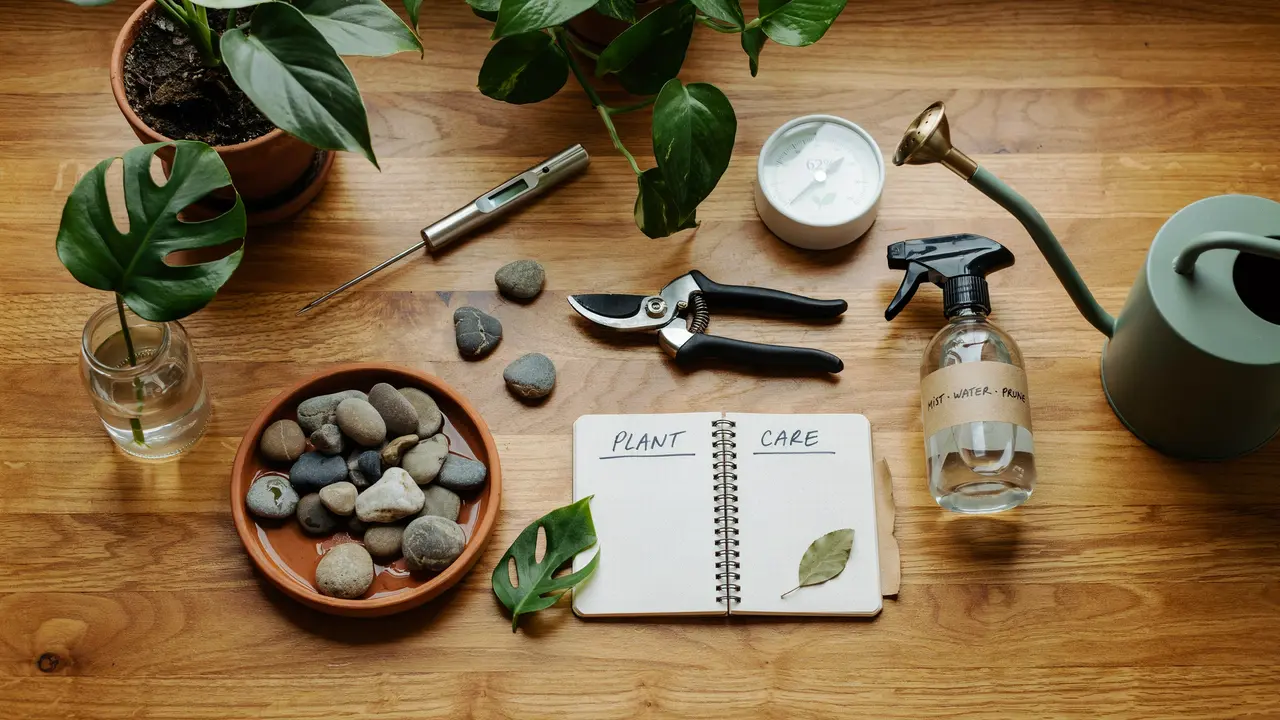
You don't need an expensive collection of gadgets to grow healthy indoor plants. In fact, many experienced plant owners rely on little more than a watering can and years of observation.
That said, a few well-chosen tools can make watering easier, especially if you're caring for multiple houseplants or you're still learning how to judge soil moisture. The key is choosing tools that genuinely solve a problem rather than buying every gardening gadget you come across.
Here are some of the most useful tools for watering indoor plants, and whether they're actually worth the investment.
1. Moisture Meter
A moisture meter is one of the most popular tools among indoor gardeners, and for good reason.
By inserting the probe into the soil, you can quickly estimate how much moisture is present around your plant's roots.
Best for:
- Beginners
- Large indoor plants
- Deep pots
- People caring for multiple houseplants
Pros:
- Quick and easy to use
- Reduces guesswork
- Helps prevent overwatering
- Useful for plants with deep root systems
Cons:
- Not always perfectly accurate
- Requires occasional cleaning
- Should be used alongside visual observation
Worth buying?
Yes. If you're new to houseplants or often struggle to know when to water, a moisture meter is one of the most useful tools you can own.
2. Long-Spout Watering Can
A watering can with a long, narrow spout provides much greater control than pouring water from a cup or bottle.
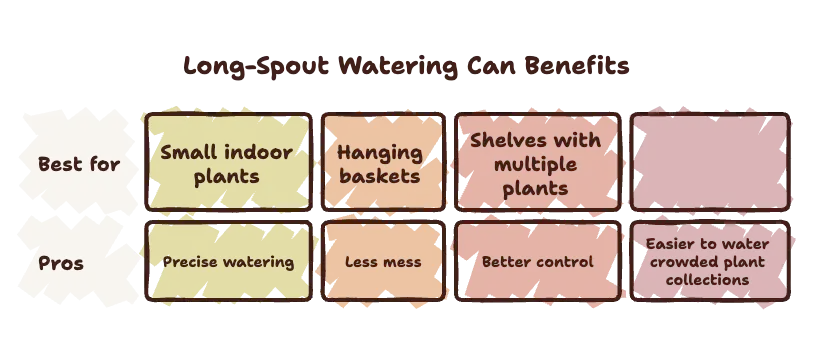
The narrow spout lets you direct water exactly where it's needed without soaking the leaves or spilling water onto furniture.
Best for:
- Small indoor plants
- Hanging baskets
- Shelves with multiple plants
Pros:
- Precise watering
- Less mess
- Better control
- Easier to water crowded plant collections
Worth buying?
Absolutely. It's a simple upgrade that makes plant care much more enjoyable.
3. Self-Watering Pots
Self-watering pots include a built-in water reservoir that allows plants to draw moisture as needed.
While convenient, they aren't ideal for every type of houseplant.
Best for:
- Busy plant owners
- Frequent travelers
- Moisture-loving plants
Not ideal for:
- Succulents
- Cacti
- Snake plants
- ZZ plants
Plants that prefer dry soil can remain too wet in self-watering containers if you're not careful.
Worth buying?
Sometimes. They're excellent for certain plants but unnecessary for most collections.
4. Watering Globes
Watering globes slowly release water into the soil over time.
Although they're often marketed as an easy solution, they're not as reliable as many advertisements suggest.
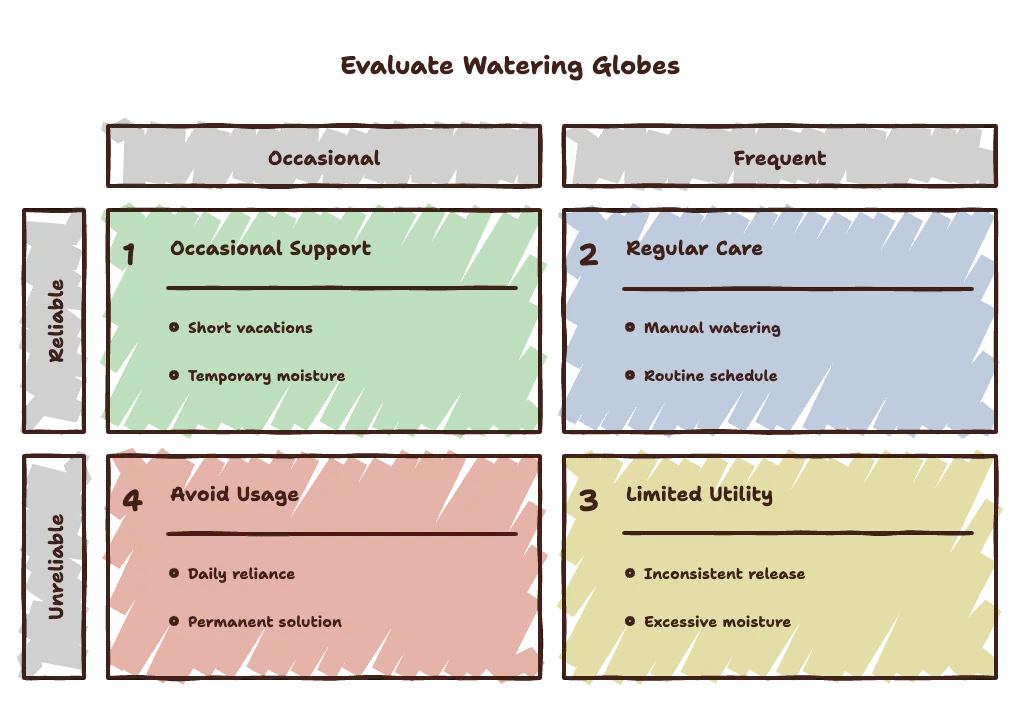
Best for:
- Short vacations
- Temporary moisture support
Limitations:
- Water release isn't always consistent.
- Can keep soil too wet.
- Less effective than proper watering.
Worth buying?
Only if you occasionally travel for a few days. They shouldn't replace regular plant care.
5. Plant Care Apps
Plant care apps can help you identify plants, track watering history, and provide reminders.
However, reminders should be treated as prompts to check your plants, not instructions to water them immediately.
Useful features:
- Plant identification
- Care guides
- Watering history
- Fertilizer reminders
- Growth tracking
Worth buying?
The free versions are often more than enough for most plant owners.
6. Hygrometer (Humidity Meter)
A hygrometer measures the humidity level inside your home.
Since humidity directly affects how quickly plants lose moisture, knowing your indoor humidity can help you understand why your plants dry out faster, or slower, than expected.
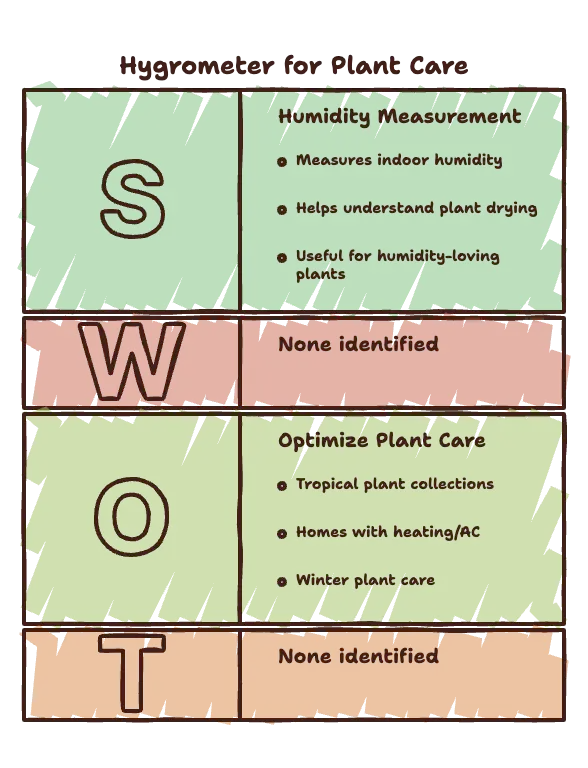
Best for:
- Tropical plant collections
- Homes with heating or air conditioning
- Winter plant care
Worth buying?
Yes, especially if you grow humidity-loving plants like ferns, calatheas, and orchids.
7. Pebble Trays
Pebble trays are shallow trays filled with stones and water. As the water evaporates, it slightly increases humidity around nearby plants.
While they don't dramatically raise humidity throughout an entire room, they can provide a modest benefit in dry environments.
Best for:
- Small tropical plants
- Winter indoor care
- Decorative plant displays
Worth buying?
Yes, if you already have the materials. They're inexpensive and easy to make yourself.
8. Humidifier
If your home becomes very dry during winter, a humidifier can be one of the most beneficial investments for tropical plants.

Unlike watering more frequently, increasing humidity addresses the actual problem, dry air.
Plants that often appreciate higher humidity include:
- Monstera
- Peace Lily
- Ferns
- Calathea
- Philodendron
- Prayer Plants
Worth buying?
Yes, particularly if your indoor humidity regularly falls below 40%.
Tools Are Helpful, Observation Is Better
While these tools can make caring for indoor plants easier, none of them replace careful observation.
Your plant will always provide valuable clues through:
- Soil moisture
- Leaf appearance
- Growth rate
- Pot weight
- Seasonal changes
Think of tools as assistants rather than decision-makers.
The Best Investment Isn't Expensive
If you were starting from scratch, you could successfully care for dozens of indoor plants with just three items:
- A quality long-spout watering can
- A moisture meter
- Pots with proper drainage holes
Everything else is optional.
At the end of the day, the most valuable tool isn't something you buy, it's the habit of paying attention. The more you observe your plants, the easier it becomes to understand their needs, adjust your watering routine, and keep your indoor garden healthy throughout every season.
Indoor Plant Watering FAQ
Even after learning the basics of watering indoor plants, it's normal to have questions. Below are answers to some of the most common concerns plant owners have, helping you care for your houseplants with greater confidence.
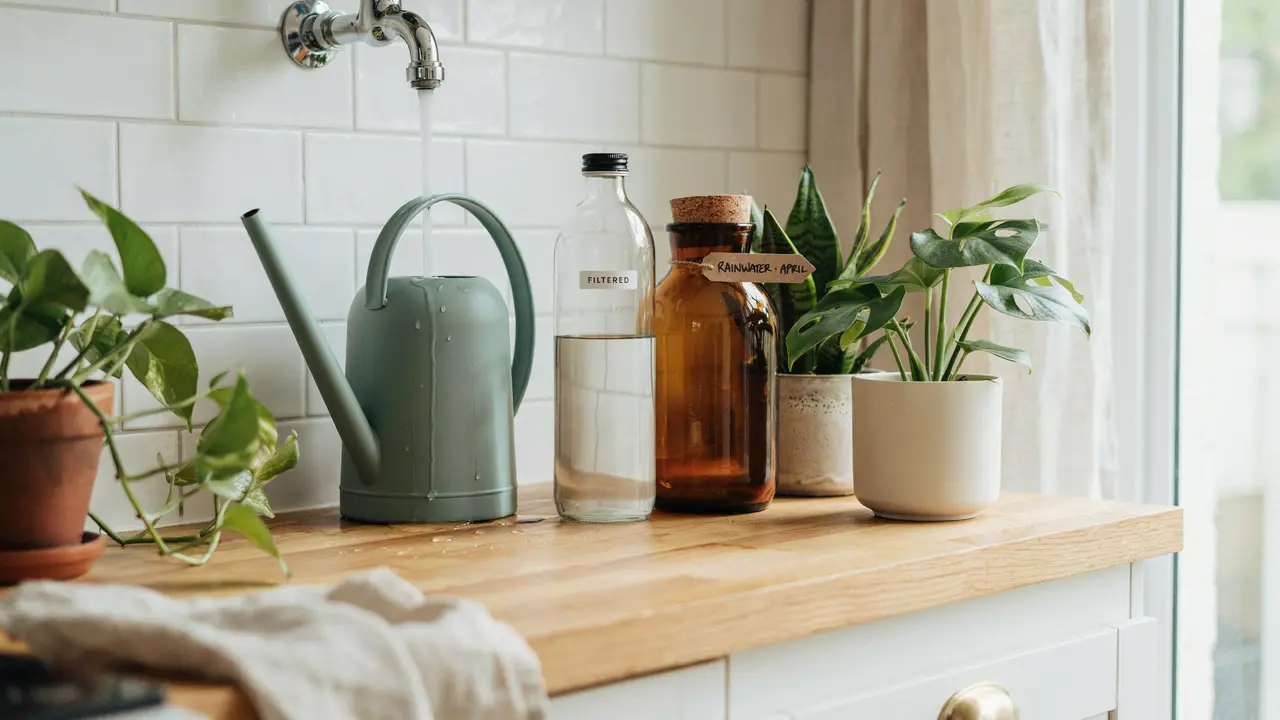
Can I Water Indoor Plants With Tap Water?
In most cases, yes. Tap water is perfectly safe for the majority of indoor plants.
However, if your local water supply is heavily chlorinated or contains high levels of minerals (hard water), some sensitive plants may develop brown leaf tips or mineral buildup in the soil over time.
If you notice these issues, you can:
- Let tap water sit overnight before using it.
- Use filtered water for sensitive plants.
- Occasionally flush the soil thoroughly to remove excess minerals.
For most common houseplants, tap water works just fine.
Is Rainwater Better Than Tap Water?
Rainwater is often considered one of the best options for indoor plants because it's naturally soft and free from many of the chemicals found in treated tap water.
Many tropical plants respond especially well to rainwater.
If you collect rainwater:
- Use clean collection containers.
- Store it in a covered container to prevent contamination.
- Use it within a reasonable time to keep it fresh.
While beneficial, rainwater isn't essential for growing healthy indoor plants.
Should I Use Filtered Water?
Filtered water can be helpful if:
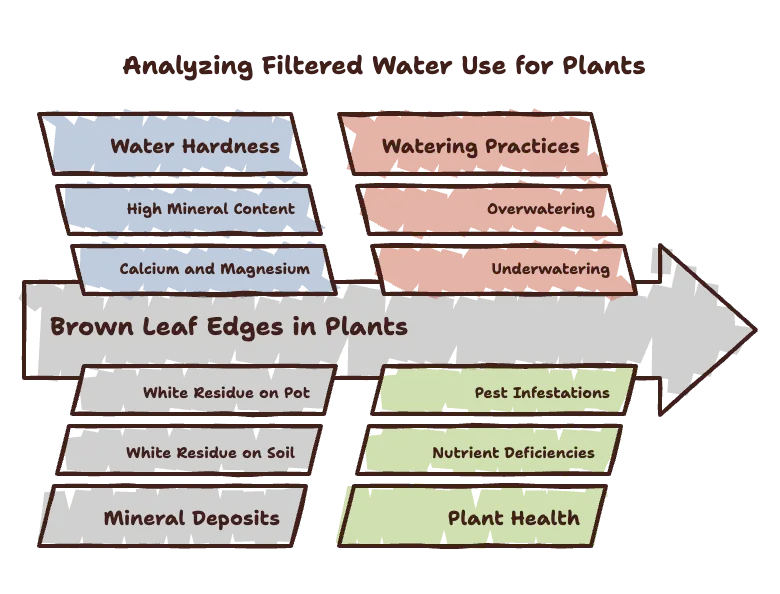
- Your tap water is very hard.
- You notice white mineral deposits on the soil or pot.
- Your plants consistently develop brown leaf edges despite proper watering.
Sensitive species such as calatheas, prayer plants, and some carnivorous plants often benefit from filtered or distilled water.
Most everyday houseplants, however, do well with ordinary tap water.
Should I Mist My Indoor Plants?
Misting is one of the most misunderstood aspects of plant care.
While misting briefly increases humidity around the leaves, the effect usually lasts only a short time and doesn't significantly change the overall humidity in the room.
For plants that genuinely require higher humidity, a humidifier or grouping plants together is usually far more effective.
That said, occasional misting won't harm most plants if done sparingly and in a well-ventilated area.
How Long Should Soil Stay Wet After Watering?
The answer depends on the plant, pot size, soil mix, and environment.
As a general guide:
- Tropical plants often remain comfortably moist for several days.
- Succulents and cacti should dry much more quickly.
- Large pots naturally stay moist longer than small pots.
If your soil remains soaking wet for more than a week under normal indoor conditions, it may indicate poor drainage, a pot that's too large, or watering that's too frequent.
Can I Bottom Water My Plants?
Yes. Bottom watering is a useful technique in certain situations.
It works particularly well when:
- Soil has become extremely dry.
- Water runs straight through the pot.
- You want to avoid splashing delicate foliage.
- Seedlings need gentle watering.
Simply place the pot in a shallow container of water for about 20–30 minutes, allowing the soil to absorb moisture through the drainage holes.
Afterward, remove the pot and let any excess water drain away.
For routine care, however, top watering remains the preferred method for most indoor plants because it also helps flush excess salts from the soil.
Can an Overwatered Plant Recover?
Often, yes.
If caught early, many overwatered plants recover fully.
The first step is to stop watering and allow the soil to dry appropriately. If root rot has already developed, you may need to remove the plant from its pot, trim away damaged roots, and repot it into fresh, well-draining soil.
The sooner the problem is addressed, the better the chances of recovery.
What Should I Do When I Go on Vacation?
If you're only away for a few days, most houseplants will be perfectly fine after a thorough watering, provided they actually need it before you leave.
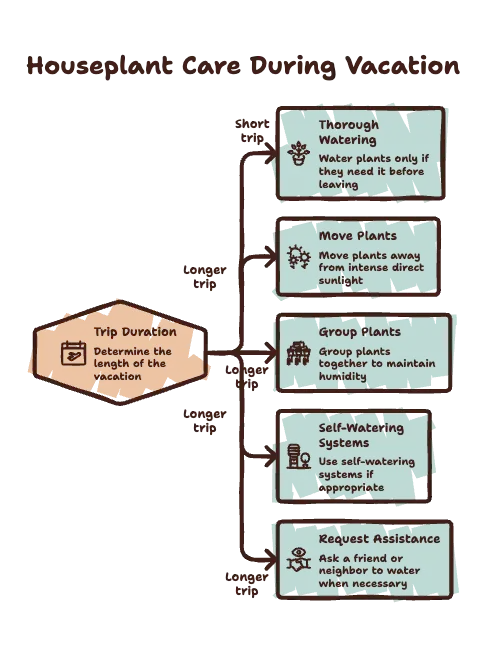
For longer trips:
- Move plants away from intense direct sunlight.
- Group plants together to help maintain humidity.
- Use self-watering systems if appropriate.
- Ask a trusted friend or neighbor to water only when necessary.
Avoid soaking every plant immediately before leaving, as prolonged wet soil can cause more harm than a short period of dryness.
Why Does Water Run Straight Through the Pot?
If water pours directly out of the drainage holes without soaking into the soil, your potting mix has likely become extremely dry.
When this happens, the soil may become hydrophobic, meaning it repels water instead of absorbing it.
To fix this:
- Water slowly in stages.
- Bottom water the pot for 20–30 minutes.
- Allow the soil to fully rehydrate before returning to your normal watering routine.
Should Every Plant Dry Out Between Waterings?
Not necessarily.
Different plants have different moisture preferences.
For example:
- Peace lilies enjoy consistently moist soil.
- Monsteras prefer the top few inches to dry.
- Pothos like the top inch or two to dry out.
- Snake plants, ZZ plants, succulents, and cacti should dry almost completely before watering again.
Understanding your specific plant's natural habitat will help you provide the right balance of moisture.
Can I Use Ice Cubes to Water Plants?
Although it's sometimes recommended for certain plants like orchids, using ice cubes isn't ideal for most indoor plants.
Melting ice exposes the roots to cold temperatures and often provides uneven watering.
Room-temperature water applied slowly is almost always the better choice.
What's the Biggest Watering Mistake Beginners Make?
The most common mistake isn't underwatering, it's watering too often.
Many new plant owners believe frequent watering equals better care. In reality, most indoor plants prefer a cycle of watering followed by a period of drying.
Checking the soil before every watering is the single best habit you can develop.
Final Thoughts on Indoor Plant Watering
There's no magic schedule that works for every houseplant, but there is a simple principle that always holds true:
Water according to your plant's needs, not according to the calendar.
As you gain experience, you'll begin recognizing subtle signs like changes in soil moisture, pot weight, leaf posture, and seasonal growth. These clues are far more reliable than any fixed watering timetable.
With patience, observation, and a little practice, watering becomes one of the easiest, and most rewarding, parts of caring for indoor plants.
Conclusion
Watering indoor plants may seem like a simple task, but it's one of the most important skills you'll develop as a plant owner. While it's tempting to search for a universal schedule or follow a weekly routine, the healthiest plants are cared for based on their individual needs, not a calendar.

Throughout this guide, you've learned that factors such as light, temperature, humidity, pot size, soil type, and the changing seasons all influence how often a plant needs water. A pothos growing beside a sunny window in summer won't have the same watering requirements as a snake plant resting in a cool room during winter, and that's perfectly normal.
The best habit you can build is to check your plant before watering. A quick finger test, lifting the pot to judge its weight, or simply observing the leaves and soil can tell you far more than counting the days since your last watering. These small observations help prevent two of the biggest problems indoor gardeners face: overwatering and underwatering.
Remember these key takeaways:
- Water based on soil moisture, not a fixed schedule.
- Adjust your watering routine as the seasons change.
- Learn the specific needs of each plant in your collection.
- Water deeply until excess water drains from the pot.
- Always use containers with proper drainage.
- Pay attention to the signals your plants naturally provide.
Don't be discouraged if you make mistakes along the way. Every experienced plant owner has overwatered a plant, forgotten to water another, or spent time figuring out what their houseplants truly needed. Plant care is a learning process, and every watering helps you better understand how your indoor garden responds to its environment.
With a little patience and regular observation, you'll soon find that watering becomes second nature. Instead of worrying about whether you're doing it "right," you'll begin recognizing exactly what each plant needs and when it needs it.
Healthy indoor plants aren't the result of perfect timing, they're the result of consistent care, thoughtful observation, and a willingness to let nature guide the process. Keep listening to your plants, adjust your routine as they grow, and you'll enjoy a thriving indoor garden that brings beauty, cleaner air, and a sense of calm to your home throughout every season.

Leave a comment
Your email address will not be published. Required fields are marked *