
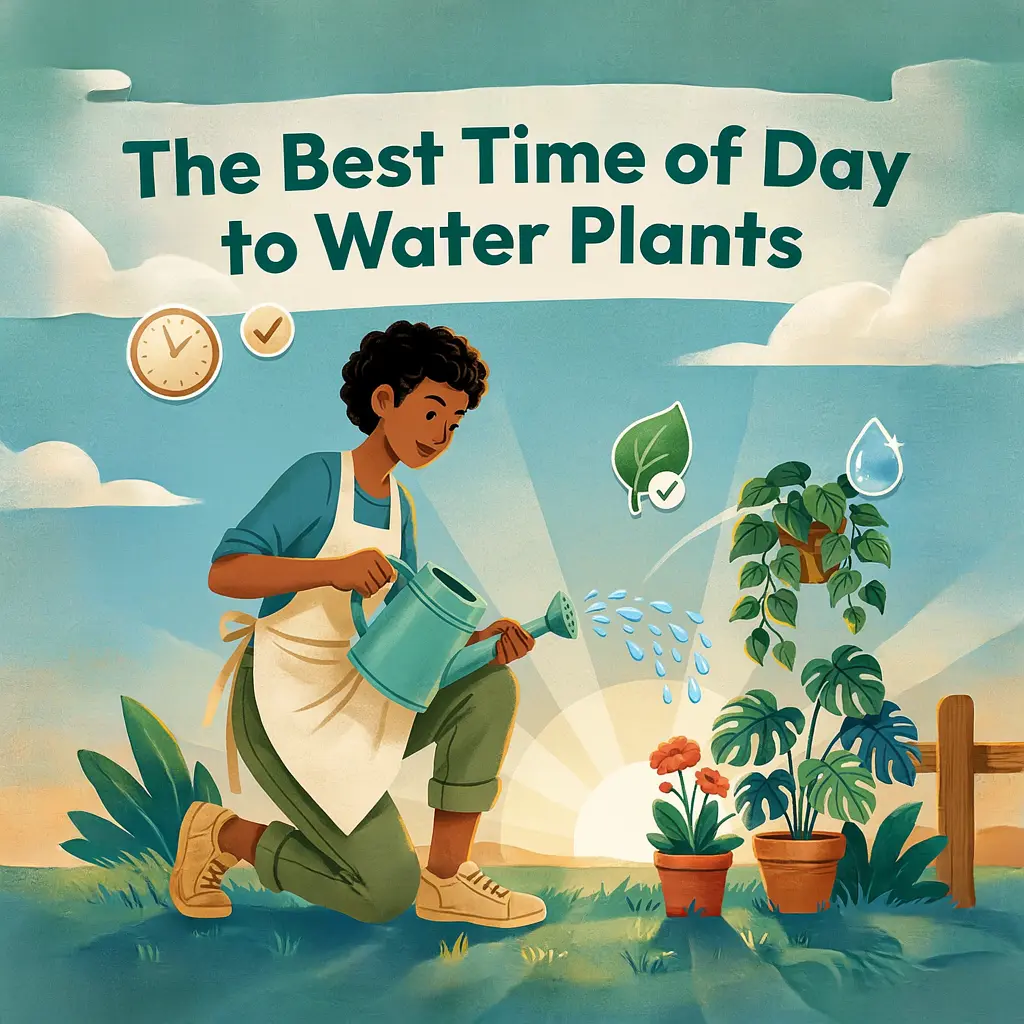
If you've ever wondered whether you should water your plants before breakfast or after sunset, you're not alone. It's one of the most common gardening questions, and the answer can make a noticeable difference in how healthy your plants look and grow. While many people focus on how much water their plants need, when you water can be just as important.
The timing of your watering routine affects everything from moisture absorption and root development to the risk of fungal diseases and water evaporation. Water too late, and your plants may stay damp overnight, creating the perfect environment for mold and mildew. Water during the hottest part of the day, and much of that precious moisture can evaporate before your plants have a chance to use it.

So, is morning really the best time to water plants, or is evening just as effective?
The short answer is that morning is the ideal time for most plants. Cooler temperatures, calmer winds, and the promise of daylight give roots plenty of time to absorb water while allowing leaves to dry naturally. However, that doesn't mean evening watering is always a bad idea. Depending on your climate, schedule, and the types of plants you're growing, watering later in the day can sometimes be the better option.
In this guide, we'll break down the science behind plant watering, compare morning versus evening watering, clear up some common gardening myths, and share practical tips to help you create a watering routine that keeps your indoor plants, flowers, vegetables, and landscape thriving all year long. Whether you're a first-time plant parent or an experienced gardener, you'll discover exactly when to water your plants for the healthiest growth possible.
Why the Time You Water Plants Actually Matters
At first glance, watering plants seems simple, if the soil is dry, add water. But plants don't use water the same way throughout the day. Their ability to absorb moisture, regulate temperature, and support healthy growth changes as temperatures rise and fall, making the timing of your watering routine more important than you might think.
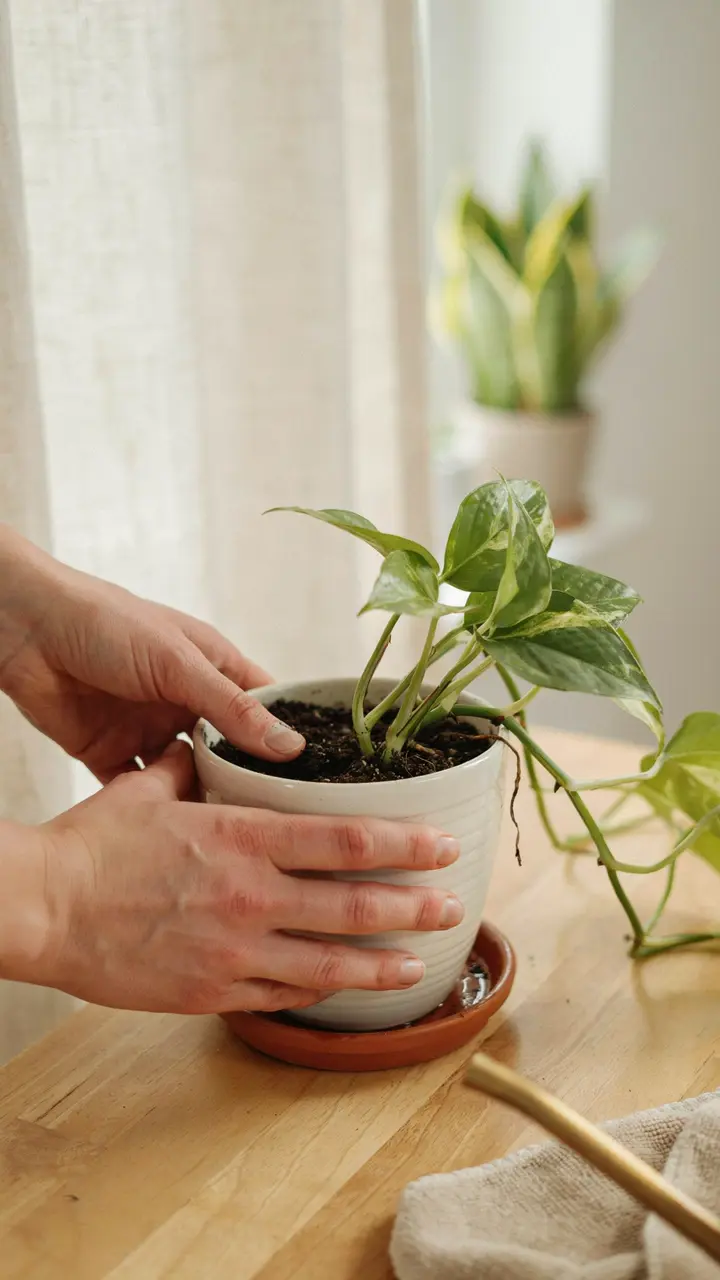
Every morning, plants begin preparing for photosynthesis, the process that converts sunlight into energy. As the sun climbs higher, their leaves open tiny pores called stomata, allowing them to exchange gases and release water through transpiration. This natural process creates a steady pull that helps roots draw water and nutrients from the soil. When moisture is already available in the root zone before the day heats up, plants can meet these demands much more efficiently.
Temperature also plays a major role. During hot afternoons, water evaporates from the soil much faster than it does in the cooler hours of the morning or evening. If you water during peak heat, some of that moisture may disappear before it ever reaches the roots, especially in sandy soils or container plants that dry out quickly. While the remaining water still benefits the plant, you'll often need to water more frequently to compensate for the extra evaporation.
Leaf moisture is another factor many gardeners overlook. Leaves that stay wet for extended periods, particularly overnight, create ideal conditions for fungal diseases such as powdery mildew, black spot, and various leaf blights. Watering early in the day allows sunlight and airflow to dry foliage naturally, helping reduce the chances of disease without any extra effort.
The health of your roots is also tied to watering time. Roots need both water and oxygen to thrive. Consistently soggy soil, especially when temperatures are cooler overnight, can limit oxygen around the roots and increase the risk of root rot. On the other hand, watering at the right time encourages roots to grow deeper into the soil in search of moisture, resulting in stronger, more resilient plants that are better equipped to handle heat and short dry spells.
Many common plant problems can also be traced back to poor watering habits rather than a lack of fertilizer or sunlight. Gardeners often make mistakes such as watering on a rigid daily schedule instead of checking soil moisture, sprinkling leaves instead of soaking the soil, applying small amounts of water too frequently, or watering during the hottest hours simply because it's convenient. These habits can lead to shallow roots, stressed plants, and unnecessary water waste.
Understanding how your plants use water throughout the day is the first step toward healthier growth. Once you know why timing matters, it becomes much easier to choose a watering routine that keeps your plants vigorous, reduces disease, and makes every drop of water count.
Why Morning Is the Best Time to Water Plants
For most gardens, landscapes, and indoor plants, early morning is widely considered the best time to water. The hours shortly after sunrise provide the perfect balance of cool temperatures, calm conditions, and increasing daylight, giving plants the greatest opportunity to absorb moisture before the stresses of the day begin.
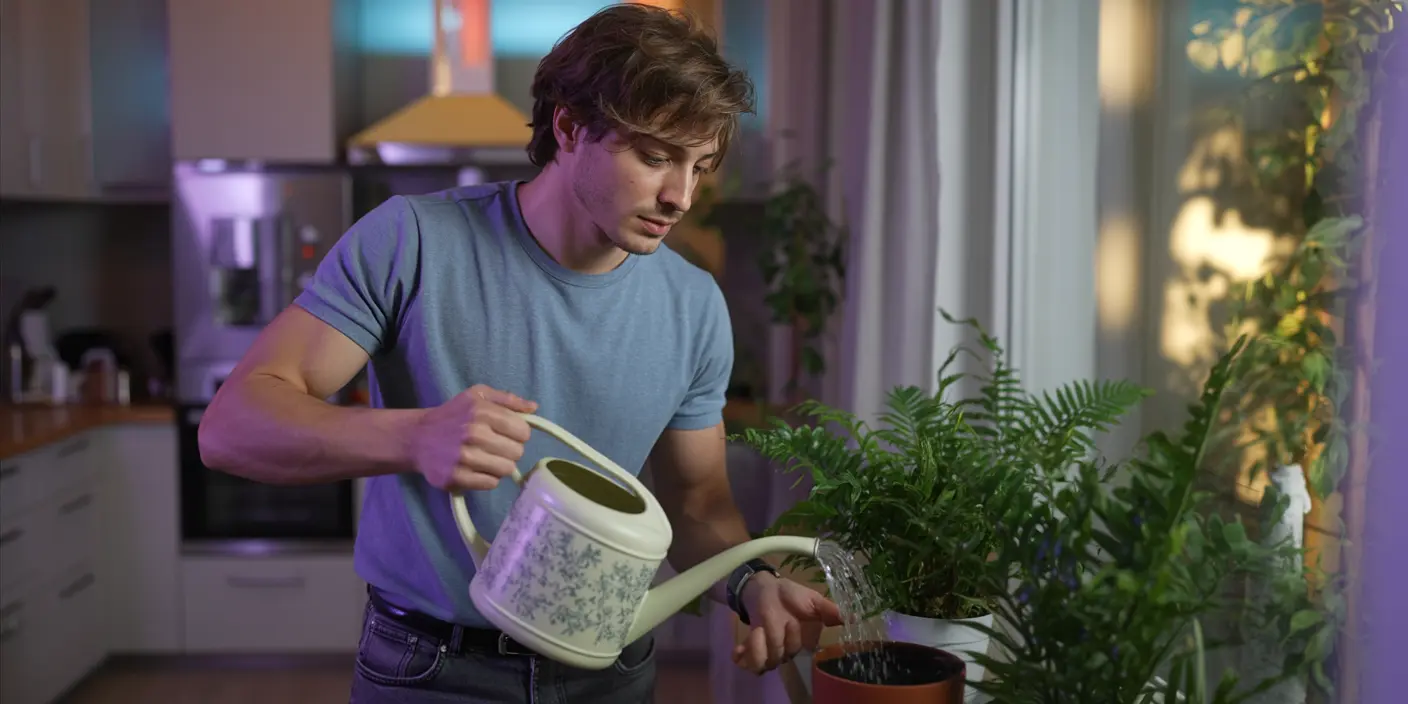
While evening watering can work in certain situations, morning watering consistently delivers the healthiest results for most plant species.
Less Water Is Lost to Evaporation
One of the biggest advantages of watering in the morning is improved water efficiency. During the early hours, temperatures are lower, the sun isn't yet intense, and winds are often lighter. These conditions allow water to soak deeply into the soil instead of quickly evaporating from the surface.
This means more moisture reaches the root zone, where plants actually need it, and less water is wasted. If you live in a warm or dry climate, watering before the heat arrives can significantly reduce how often you need to irrigate while helping lower your overall water usage.
Plants Can Absorb Moisture Before the Heat of the Day
As the day warms up, plants begin working harder to support photosynthesis and regulate their temperature through transpiration. This natural process increases their demand for water.
Watering in the morning ensures that roots have access to plenty of moisture before this daily cycle reaches its peak. Well-hydrated plants are better able to cope with hot afternoons, reducing signs of stress such as drooping leaves, scorched edges, and slowed growth.
Think of it as giving your plants a healthy breakfast, they're fueled and ready for the day ahead.
Leaves Dry Quickly, Reducing the Risk of Disease
Even careful watering can occasionally splash leaves. When this happens in the morning, sunlight and natural airflow help the foliage dry relatively quickly.
Dry leaves are far less likely to develop fungal diseases like powdery mildew, black spot, rust, or leaf spot. By contrast, leaves that remain damp overnight after late-evening watering create a humid environment where many fungi and bacteria thrive.
Although watering directly at the base of plants is always the best practice, morning watering provides an extra layer of protection if leaves do get wet.
Encourages Stronger, Healthier Root Systems
Morning watering also supports healthier root development. Deep watering during the cooler hours encourages roots to grow downward in search of moisture rather than remaining close to the surface.
Plants with deeper roots are generally more resilient during periods of drought or extreme heat because they can access moisture stored deeper in the soil. They're also less likely to wilt between watering sessions and often require less frequent irrigation over time.
Whether you're growing vegetables, flowers, shrubs, or houseplants, a strong root system is one of the biggest factors behind long-term plant health.
Fits Naturally Into a Consistent Gardening Routine

Another benefit of morning watering is consistency. Many gardeners find it easier to check their plants before starting the day rather than trying to remember after work or in the evening.
A quick morning inspection allows you to:
- Check soil moisture before watering.
- Spot pests or diseases early.
- Remove damaged leaves or spent flowers.
- Notice signs of underwatering or overwatering before they become serious.
This simple daily habit helps prevent problems before they escalate and keeps your garden looking its best throughout the growing season.
Ultimately, watering in the morning isn't just about convenience, it's about giving your plants the ideal conditions to absorb water efficiently, stay healthy, and grow stronger. While there are times when evening watering is perfectly acceptable, morning remains the gold standard for maximizing plant health and minimizing common watering issues.
Is It Okay to Water Plants in the Evening?
Life doesn't always allow for early-morning gardening. Whether you're at work, managing a busy schedule, or simply forget to water before the sun comes up, you may find yourself reaching for the watering can in the evening. The good news is that watering plants in the evening is generally much better than allowing them to become severely dehydrated. However, like most gardening practices, it comes with both benefits and potential drawbacks.
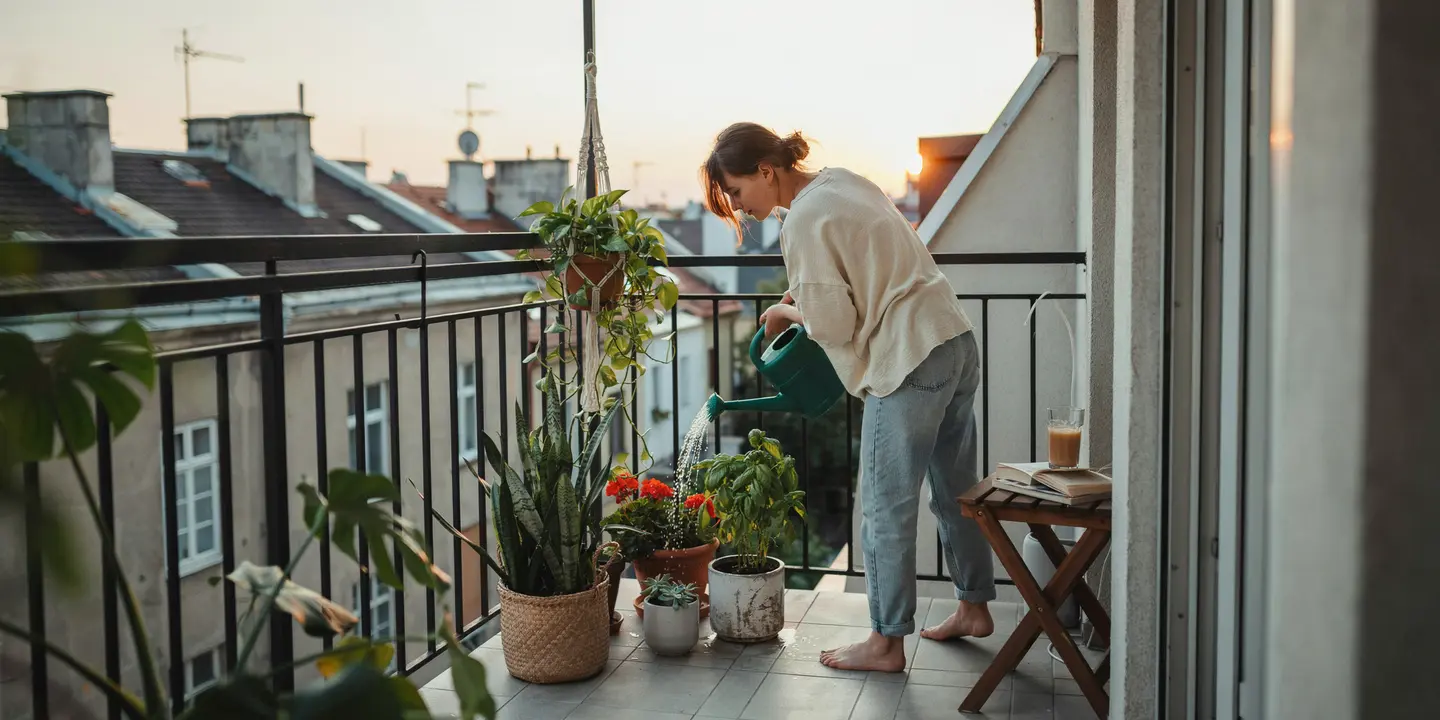
The key is understanding when evening watering works well, and how to do it properly.
Benefits of Evening Watering
Evening watering can be surprisingly effective, especially during periods of intense heat or drought. As temperatures begin to cool after sunset, water evaporates much more slowly than it does during the middle of the day. This allows moisture to remain in the soil longer, giving roots plenty of time to absorb it.

For gardeners in regions with scorching summer afternoons, evening watering can help plants recover from heat stress and restore moisture that may have been lost throughout the day.
Other advantages include:
- Less water lost to evaporation compared to midday watering.
- Cooler soil temperatures help water penetrate more effectively.
- Convenient for people who are away from home during the day.
- Useful during heat waves when plants need extra hydration.
When done correctly, evening watering can keep plants healthy without significantly increasing water use.
Potential Risks of Watering Too Late
The biggest concern with evening watering isn't the water itself, it's the moisture that remains on plant leaves and around the soil overnight.
Without sunlight to dry wet foliage, leaves can stay damp for many hours. Combined with cooler nighttime temperatures, this creates ideal conditions for fungal diseases such as powdery mildew, downy mildew, leaf spot, and black spot. Slugs, snails, and other moisture-loving pests may also become more active in consistently damp garden beds.
Overly wet soil that never has a chance to dry slightly between watering sessions can also reduce oxygen around the roots, increasing the likelihood of root rot, particularly in heavy clay soils or containers with poor drainage.
These risks become more pronounced if you water very late at night or frequently soak the leaves instead of directing water at the base of the plant.
When Evening Watering Makes Sense
Despite these drawbacks, evening watering is often the right choice in certain situations.
For example, if your plants are wilting on a hot summer day and you won't be able to water until after work, it's far better to water them in the evening than to wait until the following morning. Prolonged water stress can damage flowers, vegetables, and young plants much faster than the small disease risk associated with one evening watering.
Evening watering is also a practical option when:
- You're experiencing an extended heat wave.
- Local watering restrictions limit irrigation to certain hours.
- Your work schedule makes morning watering impossible.
- You're growing container plants that dry out exceptionally quickly.
- Newly planted trees, shrubs, or vegetables require consistent moisture.
How to Water Safely in the Evening
If evening is your only opportunity to water, a few simple habits can greatly reduce the potential downsides.
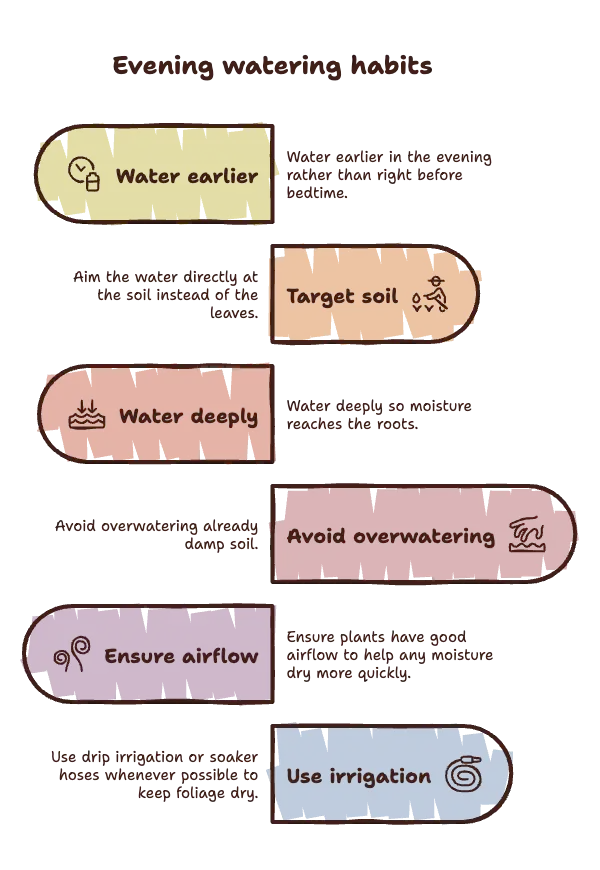
- Water earlier in the evening rather than right before bedtime.
- Aim the water directly at the soil instead of the leaves.
- Water deeply so moisture reaches the roots.
- Avoid overwatering already damp soil.
- Ensure plants have good airflow to help any moisture dry more quickly.
- Use drip irrigation or soaker hoses whenever possible to keep foliage dry.
With these practices, evening watering can be a safe and effective part of your gardening routine.
The bottom line is simple: morning watering is ideal, but evening watering is often the next best option. If the choice is between watering in the evening or letting your plants remain dry and stressed, watering later in the day is almost always the better decision. Healthy plants benefit far more from adequate moisture than from waiting for the "perfect" time to water.
Morning vs. Evening Watering: Which Is Better?
Both morning and evening watering can keep plants alive and healthy, but they don't offer the same benefits. Factors like evaporation, disease prevention, root health, and overall plant performance all play a role in determining the better option.
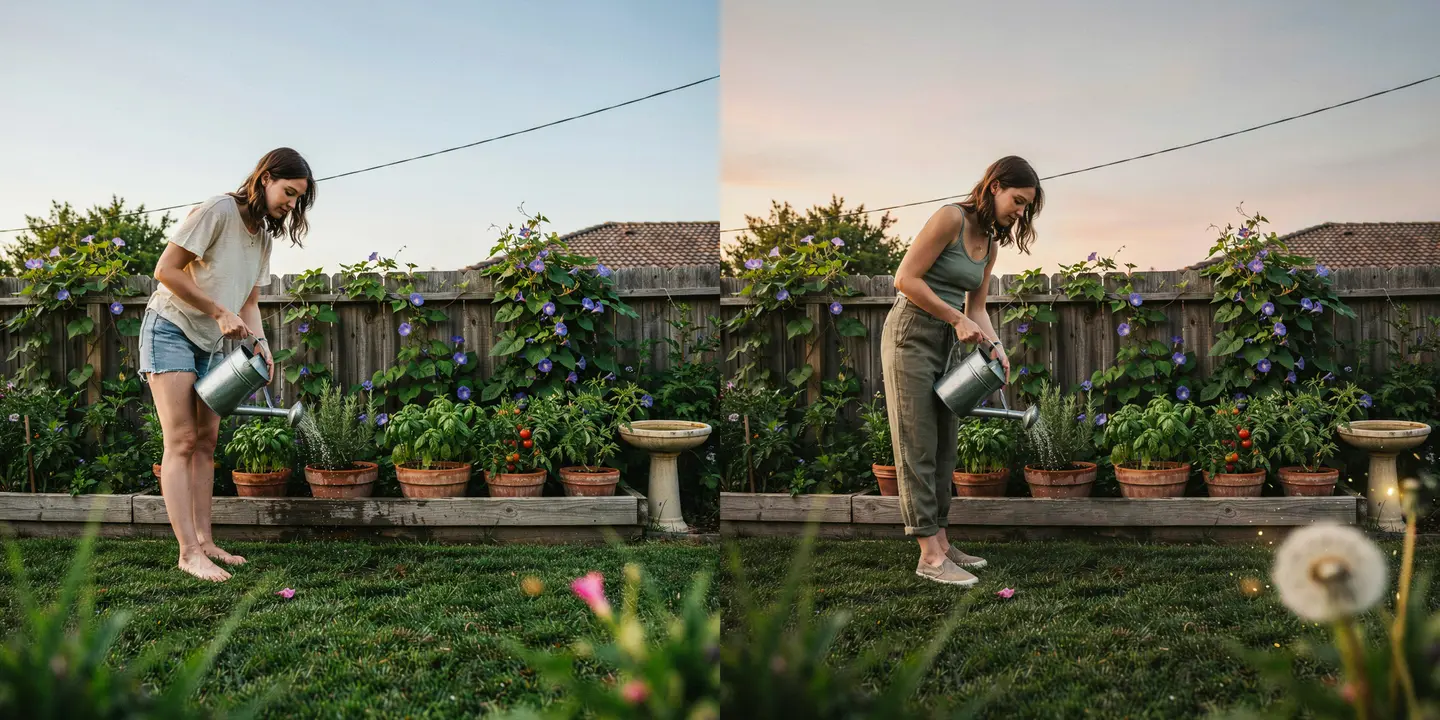
For most gardeners, morning watering comes out on top because it works with a plant's natural daily cycle. However, evening watering still has its place, especially when circumstances make morning watering impossible.
Here's how they compare.
Factor | Morning Watering | Evening Watering |
Water Efficiency | Excellent. Cool temperatures reduce evaporation while giving roots time to absorb moisture. | Very good. Less evaporation than midday, but water remains in the soil longer. |
Disease Prevention | Excellent. Leaves dry quickly in daylight, reducing fungal growth. | Fair. Wet foliage may remain damp overnight, increasing disease risk. |
Plant Performance | Excellent. Plants begin the day fully hydrated and ready for photosynthesis. | Good. Helps plants recover after hot days but doesn't prepare them for daytime demands. |
Root Health | Excellent. Encourages deep, healthy root growth. | Good. Can promote healthy roots if soil drains well and isn't overwatered. |
Water Conservation | Excellent. More water reaches the root zone before the heat of the day. | Very good. Low evaporation, though overwatering can become an issue if soil stays wet. |
Convenience | Ideal for early risers and consistent routines. | Better for people who work during the day or have busy mornings. |
Why Morning Wins for Most Plants
Morning watering offers several advantages that are difficult to match. Plants receive the moisture they need before temperatures climb, allowing them to photosynthesize efficiently and stay hydrated during the hottest part of the day.
At the same time, any water that lands on leaves has plenty of daylight to evaporate, significantly reducing the chances of fungal infections. This combination of healthy roots, dry foliage, and efficient water use makes morning watering the preferred choice for vegetables, flowers, lawns, shrubs, and many indoor plants.
If you can establish a consistent morning watering routine, you'll likely notice stronger growth, fewer plant diseases, and healthier-looking foliage over time.
When Evening Watering Is Still a Great Option
That doesn't mean evening watering should be avoided altogether. In many real-world situations, it's simply the most practical solution.
If your schedule prevents morning watering, or your plants are suffering through an exceptionally hot day, watering in the early evening is far better than skipping watering altogether. Plants that receive adequate moisture are generally healthier than those left to endure prolonged drought stress.
The goal is to water early enough that excess moisture has some opportunity to evaporate before the coolest part of the night while directing water at the soil rather than soaking the foliage.
The Verdict
If you have complete flexibility, choose morning watering whenever possible. It provides the best balance of water efficiency, disease prevention, and healthy plant growth.
If mornings aren't realistic, don't worry. Early evening watering is still an effective alternative, provided you water correctly and avoid leaving leaves wet overnight.
Ultimately, the best watering schedule is one you can follow consistently. Plants thrive on regular care, and a dependable watering routine, whether it's at sunrise or early evening, will almost always outperform an inconsistent one.
Should You Ever Water Plants in the Middle of the Day?
If you've heard that watering plants during the middle of the day is a bad idea, you're only hearing part of the story. While midday is generally not the best time to water, it's not because you'll burn your plants or cause instant damage. In reality, the biggest issue is efficiency, not safety.
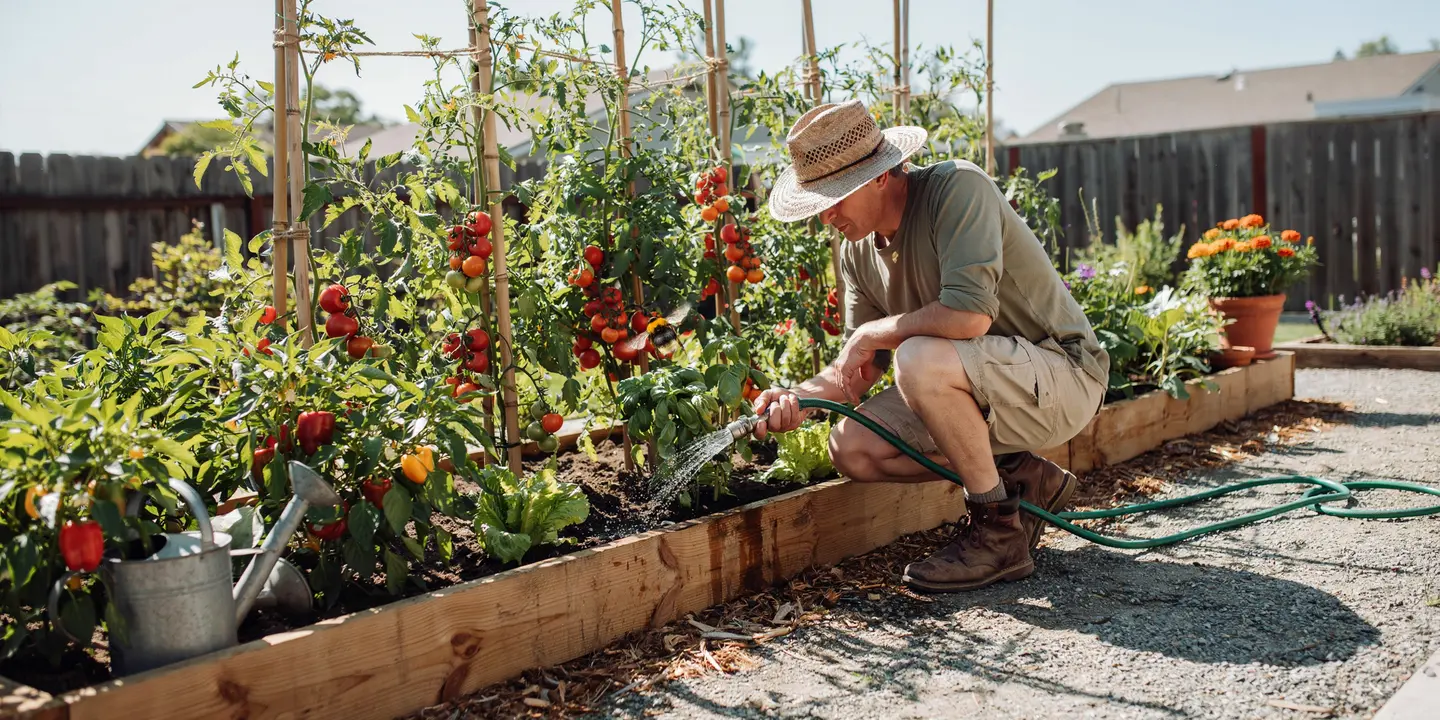
When the sun is at its strongest and temperatures are at their highest, water evaporates much faster from the soil. This means you'll often need to use more water to achieve the same level of soil moisture you could have reached with a morning watering. In hot, dry, or windy conditions, some moisture may evaporate before it has a chance to soak deeply into the root zone.
For this reason, gardeners are usually encouraged to water during the cooler parts of the day whenever possible.
The Truth About Water Droplets Burning Leaves
One of the oldest gardening myths claims that water droplets act like tiny magnifying glasses, focusing sunlight and burning plant leaves. While the idea sounds convincing, research and real-world observations have shown that this rarely happens in home gardens.
Under normal conditions, water droplets simply evaporate before they can cause any significant damage. If you notice burned or scorched leaves after watering, the real causes are usually intense heat, drought stress, nutrient deficiencies, or disease, not the water itself.
That said, it's still a good idea to water at the base of your plants whenever possible. Doing so delivers moisture directly to the roots, conserves water, and helps reduce the spread of fungal diseases.
When Midday Watering Is Perfectly Fine
Although it's not ideal as a daily routine, there are situations where watering during the middle of the day is absolutely appropriate.
For example, if your plants are visibly wilting during an extreme heat wave, they may need immediate hydration rather than waiting several more hours until evening. Temporary wilting is sometimes part of a plant's natural response to heat, but if the soil is dry several inches below the surface, watering is the right move.
Midday watering is also reasonable when:
- Newly planted flowers, shrubs, or trees are drying out quickly.
- Container plants become dry because pots heat up rapidly.
- Vegetable gardens show signs of genuine moisture stress.
- You unexpectedly realize plants have been missed during your normal watering schedule.
- You're experiencing prolonged drought or unusually hot weather.
In these situations, giving plants the water they need outweighs the small loss caused by evaporation.
Tips for Watering During the Hottest Part of the Day
If you must water around midday, a few simple techniques can make it much more effective:
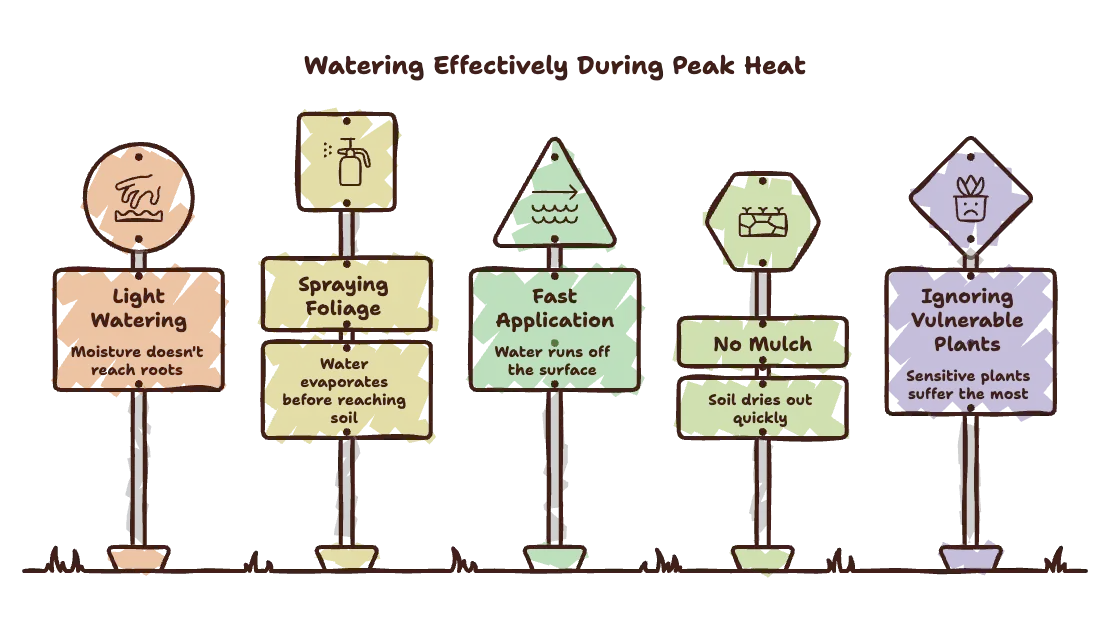
- Water deeply instead of lightly so moisture reaches the roots.
- Direct water at the soil rather than spraying the foliage.
- Apply water slowly to reduce runoff and allow better absorption.
- Add mulch around plants to help retain moisture and keep the soil cooler.
- Focus first on plants most vulnerable to heat, such as vegetables, seedlings, hanging baskets, and container plants.
These practices help maximize every gallon of water while reducing unnecessary waste.
The Bottom Line
Midday watering isn't harmful, it's simply less efficient than watering in the morning or early evening. If your plants genuinely need water, don't hesitate to give it to them, regardless of the time of day. A well-watered plant has a far better chance of surviving extreme heat than one left waiting for the "perfect" watering window.
Whenever possible, stick to morning watering for the best long-term results. But remember: it's always better to water a thirsty plant than to avoid watering because of the clock.
Does the Best Watering Time Change by Plant Type?
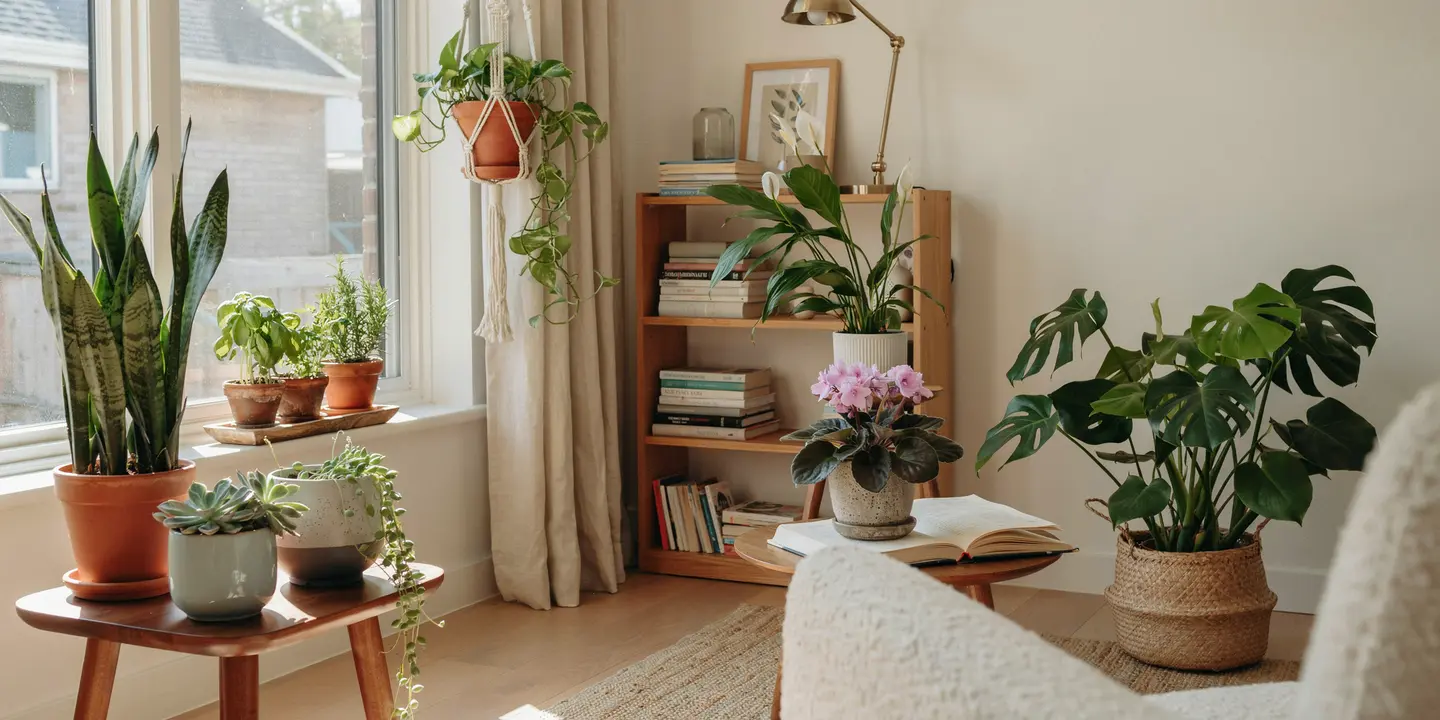
While morning is the best time to water most plants, not every plant has exactly the same watering needs. Factors such as root depth, leaf structure, growing environment, and soil type all influence how quickly a plant uses water and when it benefits most from being watered.
Understanding the needs of different plant types will help you create a watering routine that supports healthier growth while avoiding common issues like overwatering, underwatering, and root rot.
Indoor Plants
Houseplants generally experience more stable temperatures than outdoor plants, so they're less affected by midday heat or rapid evaporation. Even so, watering in the morning is still a good habit because it gives excess moisture time to drain before cooler nighttime temperatures.
Before watering, always check the soil rather than following a fixed schedule. Many popular houseplants, including pothos, snake plants, ZZ plants, and peace lilies, prefer the soil to dry slightly between watering sessions.
For indoor plants:
- Water when the top inch or two of soil feels dry.
- Empty drainage trays after watering.
- Avoid leaving roots sitting in standing water.
- Reduce watering during winter when growth naturally slows.
Vegetable Gardens
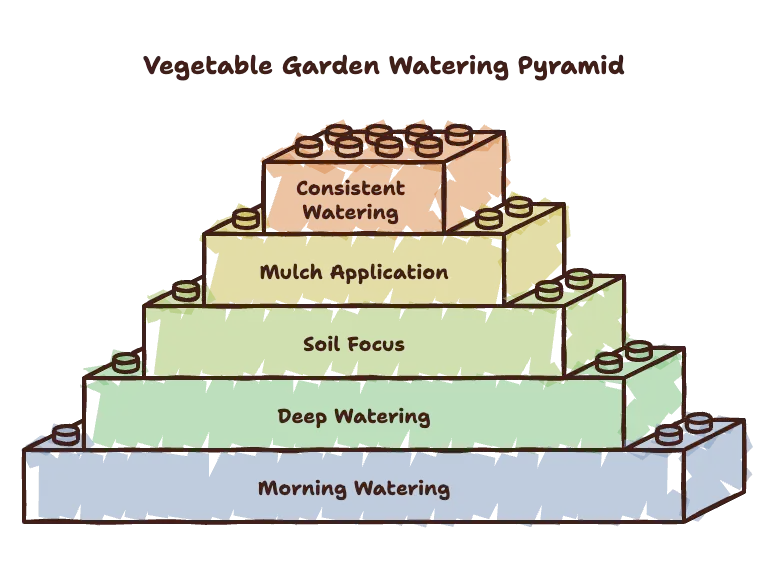
Vegetables are among the thirstiest plants in the garden, especially during flowering and fruit production. Tomatoes, peppers, cucumbers, squash, beans, and leafy greens all perform best when watered early in the morning.
Morning watering provides moisture before the day's heat, helping plants maintain steady growth while reducing the chances of diseases that thrive on damp foliage.
To keep vegetables productive:
- Water deeply two or three times per week instead of lightly every day.
- Direct water at the soil rather than the leaves.
- Apply mulch to retain moisture and suppress weeds.
- Keep watering consistent to help prevent problems like cracked tomatoes or bitter cucumbers.
Flower Beds
Annuals and perennials both appreciate morning watering, particularly during hot weather. Flowers that remain wet overnight are more susceptible to fungal diseases such as powdery mildew and black spot.
A slow, deep watering encourages stronger roots and often results in more blooms throughout the growing season.
If you're growing roses, hydrangeas, daisies, or other flowering plants, watering early in the day is one of the simplest ways to keep them healthy and vibrant.
Trees and Shrubs
Established trees and shrubs rarely need daily watering because their roots extend much deeper into the soil than those of smaller plants. Instead, they benefit from occasional deep watering that reaches well below the surface.
Morning remains the preferred time, although the exact hour is less critical because deep roots aren't affected by rapid evaporation as quickly as shallow-rooted plants.
Newly planted trees and shrubs require more frequent watering until their root systems become established, especially during their first growing season.
Succulents and Cacti
Succulents and cacti are adapted to dry environments and store water in their leaves and stems. As a result, they require far less frequent watering than most other plants.
Morning watering is ideal because it allows excess moisture to evaporate from the soil before cooler nighttime temperatures arrive. These plants dislike constantly wet roots, making good drainage just as important as proper timing.
Always allow the soil to dry completely before watering again.
Container Plants
Container plants often need the most attention because pots dry out much faster than garden beds. Sunlight heats the container itself, causing moisture to evaporate quickly, especially during summer.
Morning watering is best, but during periods of extreme heat, some container plants may need a second light watering in the late afternoon or early evening if the soil becomes completely dry.
Pay extra attention to:
- Hanging baskets
- Patio planters
- Window boxes
- Herbs in pots
- Container vegetables
These plants have limited soil available to store water and can dry out much faster than plants growing in the ground.
The Takeaway
Although every plant has unique watering needs, one principle remains consistent: water according to the plant's moisture requirements, not the calendar. Morning provides the ideal conditions for nearly every type of plant, but success ultimately comes from checking the soil, understanding your plants, and adjusting your routine based on weather, season, and growing conditions.
When you match your watering schedule to each plant's specific needs, you'll encourage stronger roots, healthier foliage, and more vigorous growth throughout the year.
Seasonal Watering Tips
The best time to water plants doesn't change much throughout the year, morning remains the ideal choice in every season. However, the amount of water your plants need and how often you should water can vary dramatically depending on temperature, rainfall, humidity, and the plant's growth cycle.
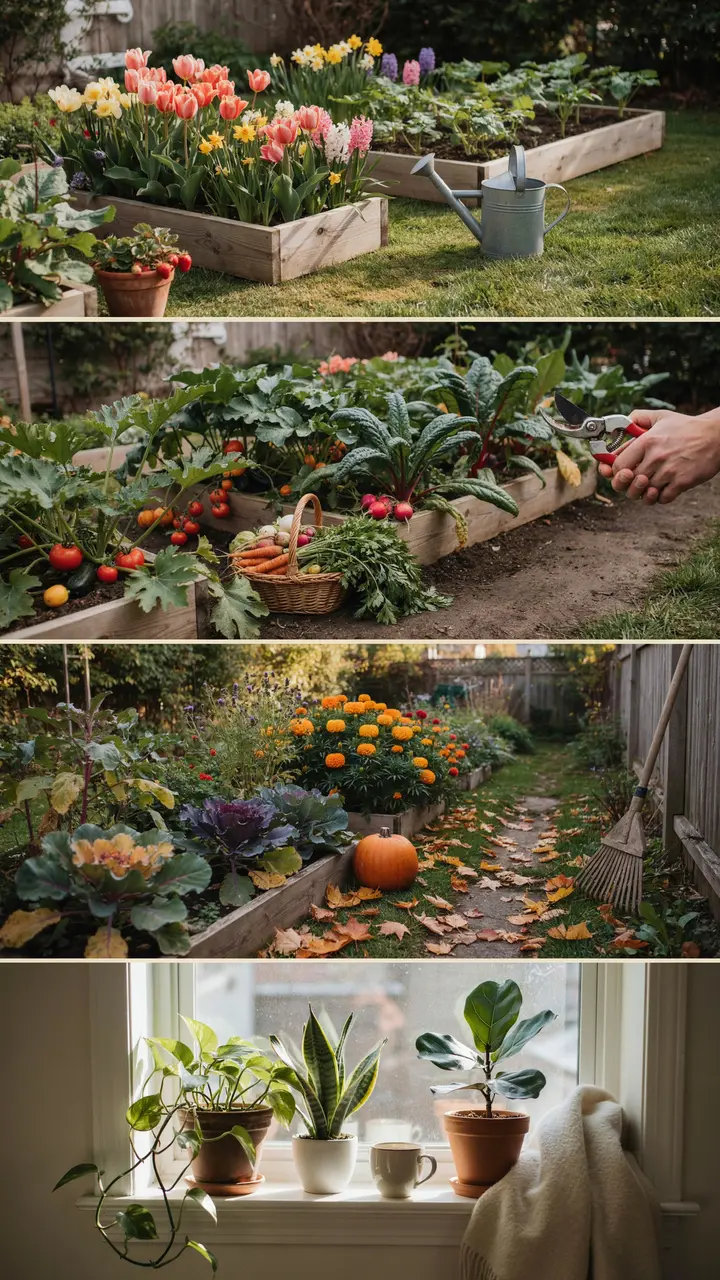
Adjusting your watering routine with the seasons helps prevent both overwatering and underwatering while encouraging healthier, more resilient plants.
Spring
Spring is a season of fresh growth. As temperatures begin to rise and daylight hours increase, plants wake from winter dormancy and start producing new leaves, stems, flowers, and roots.
Although spring often brings regular rainfall, don't assume nature is providing enough water. Young plants and newly planted gardens may still need supplemental watering during dry spells.
Spring watering tips:
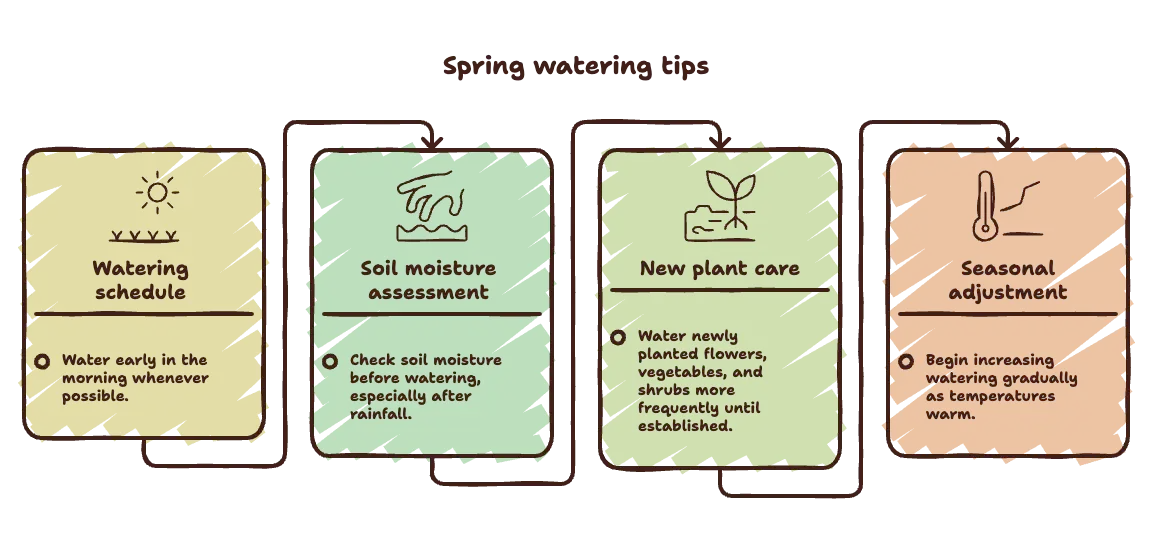
- Water early in the morning whenever possible.
- Check soil moisture before watering, especially after rainfall.
- Water newly planted flowers, vegetables, and shrubs more frequently until established.
- Begin increasing watering gradually as temperatures warm.
Spring is also the perfect time to establish a consistent watering routine before the intense heat of summer arrives.
Summer
Summer is when plants typically need the most water. Higher temperatures, stronger sunlight, and increased evaporation mean soil dries out much faster.
Morning watering becomes even more important during this season because it prepares plants for the hottest part of the day while minimizing water loss.
During summer:
- Water deeply rather than lightly.
- Increase watering frequency during heat waves.
- Add mulch to help retain soil moisture.
- Pay close attention to container plants, hanging baskets, and vegetable gardens, which may dry out quickly.
- Avoid watering during the hottest part of the afternoon unless plants are showing signs of serious moisture stress.
Deep, consistent watering encourages roots to grow downward, making plants better equipped to withstand prolonged hot weather.
Fall
As temperatures cool and daylight hours become shorter, most plants begin slowing their growth. This means they generally require less water than they did during summer.
It's important not to continue watering on a summer schedule simply out of habit. Overwatering during cooler months can leave soil constantly wet, increasing the risk of root problems.
In the fall:
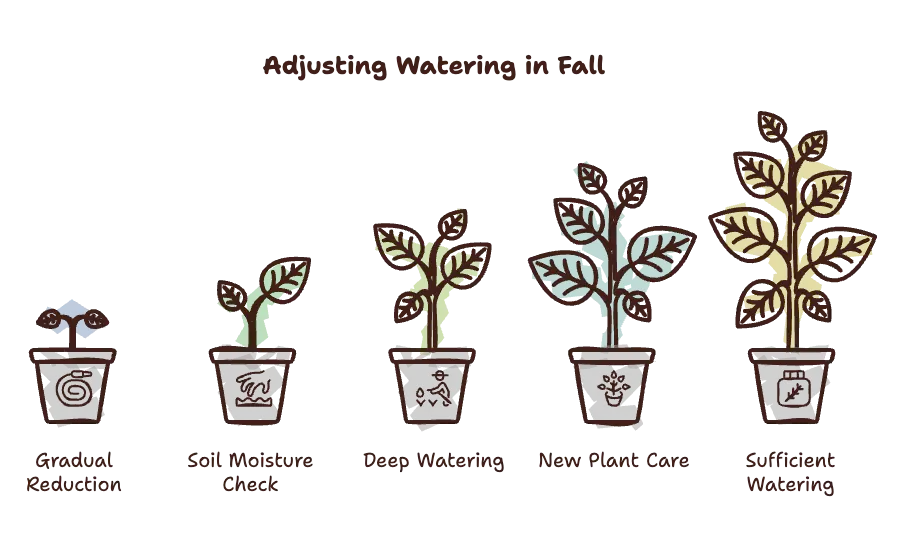
- Reduce watering frequency gradually.
- Continue checking soil moisture before watering.
- Water deeply during extended dry periods.
- Newly planted trees and shrubs may still require regular watering while establishing roots before winter.
Many gardeners find that watering once or twice a week is sufficient during mild autumn weather, depending on rainfall.
Winter
Winter watering depends heavily on your climate. In warmer regions where plants continue growing, occasional watering may still be necessary. In colder climates, many outdoor plants enter dormancy and require very little additional moisture.
Indoor plants also grow more slowly during winter because of shorter days and reduced light levels, meaning they usually need less frequent watering.
Winter watering guidelines:
- Allow soil to dry more between watering sessions.
- Water in the morning on frost-free days if outdoor watering is needed.
- Avoid watering frozen soil, as roots cannot absorb moisture effectively.
- Reduce watering for succulents, cacti, and dormant plants.
- Continue monitoring indoor plants, but resist the urge to overwater.
Remember that overwatering is often a bigger problem than underwatering during the winter months.
Adjust Your Routine Based on Weather, Not Just the Calendar
While seasonal guidelines are helpful, weather conditions can vary significantly from year to year. A cool, rainy summer may require less watering than a dry spring, while an unusually warm fall could keep plants actively growing for weeks longer than expected.
Instead of relying solely on a calendar, pay attention to your plants and the soil.
Check for:
- Recent rainfall
- Soil moisture several inches below the surface
- Forecasted temperatures
- Humidity levels
- Signs of plant stress, such as wilting or yellowing leaves
The healthiest gardens come from adapting your watering routine to current conditions rather than sticking to a rigid schedule. By combining seasonal awareness with regular observation, you'll provide your plants with exactly what they need throughout the year, no more and no less.
Signs You're Watering at the Wrong Time
Even if you're giving your plants the right amount of water, poor timing can still lead to problems. Watering too late in the evening, too often during cool weather, or only during the hottest part of the day can all affect how efficiently your plants use moisture.
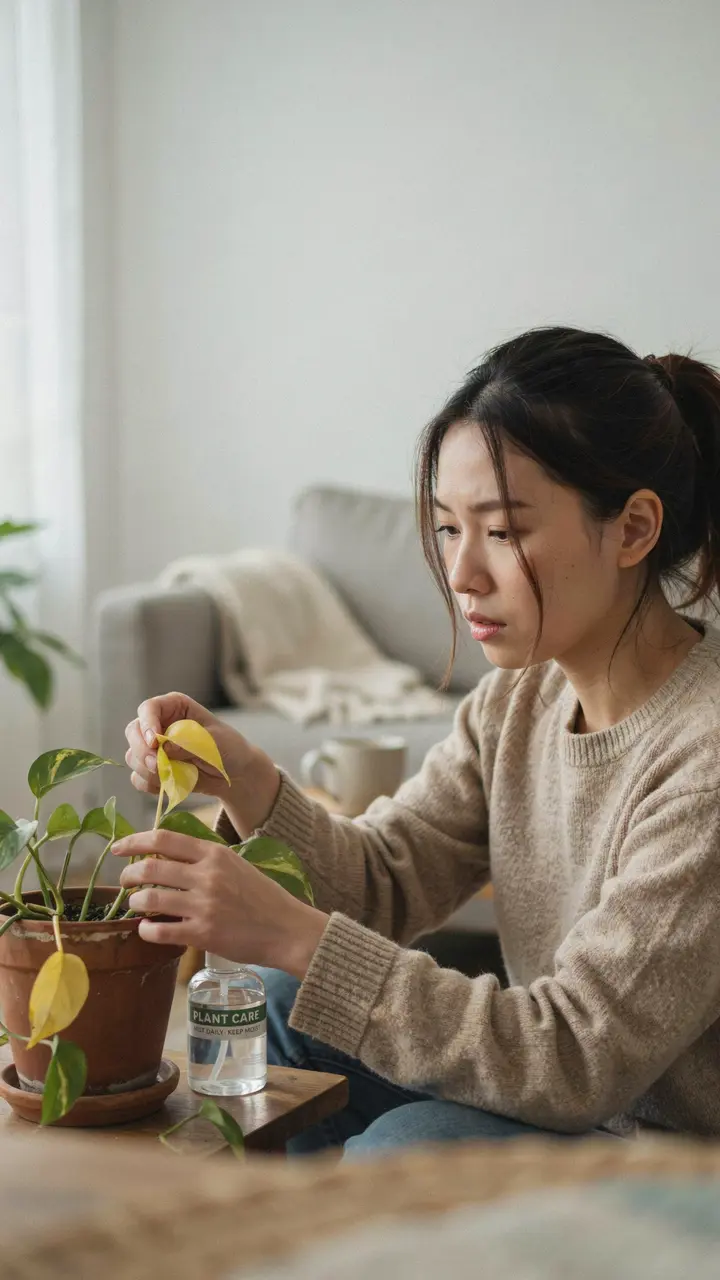
Fortunately, plants usually provide clear warning signs when something isn't quite right. Learning to recognize these symptoms early allows you to adjust your watering routine before lasting damage occurs.
Wilting Despite Regular Watering
Wilting is often associated with underwatering, but that's not always the case. Plants can wilt even when the soil is moist if their roots are struggling to absorb water efficiently.
If you regularly water late in the evening and the soil remains saturated overnight, roots may not receive enough oxygen. This can weaken the root system and reduce the plant's ability to transport water throughout its stems and leaves.
Before watering again, check the soil a few inches below the surface. If it's still damp, the issue may be overwatering rather than a lack of moisture.
Yellowing Leaves
Yellow leaves are one of the most common signs of watering problems. While nutrient deficiencies, pests, and aging can also cause yellow foliage, consistently wet soil often points to poor watering habits.
If leaves begin turning yellow while the soil stays constantly moist, consider whether you're watering too frequently or too late in the day without allowing the soil to dry slightly between sessions.
Healthy roots need oxygen just as much as they need water.
Powdery Mildew and Other Fungal Diseases
One of the clearest signs that your watering schedule needs adjusting is an increase in fungal diseases.

Plants that remain wet overnight are much more likely to develop problems such as:
- Powdery mildew
- Black spot
- Leaf spot
- Rust
- Downy mildew
These diseases thrive in cool, damp conditions where leaves stay wet for long periods.
Switching to morning watering and directing water at the soil instead of the foliage often helps reduce future outbreaks.
Root Rot
Root rot develops when roots remain in waterlogged soil for extended periods. Although poor drainage is usually the primary cause, watering too frequently or too late in the evening can make the problem worse.
Common symptoms include:
- Wilting despite wet soil
- Yellow or brown leaves
- Soft, blackened roots
- Slow or stunted growth
- A sour or unpleasant smell coming from the soil
Once root rot becomes severe, it can be difficult to reverse, making prevention far easier than treatment.
Dry, Hard, or Compacted Soil
At the opposite end of the spectrum, watering only during the hottest hours of the day may cause water to evaporate before it penetrates deeply into the soil.
Over time, you may notice:
- Dry soil just below the surface.
- Water running off instead of soaking in.
- Cracked or compacted soil.
- Plants drying out shortly after watering.
Deep morning watering is usually much more effective at keeping the entire root zone evenly moist.
Slow Growth and Reduced Flowering
Plants that experience repeated moisture stress often grow more slowly than expected.
If your vegetables produce fewer fruits, flowers bloom less frequently, or houseplants stop producing healthy new leaves, inconsistent watering timing may be contributing to the problem.
Healthy plants need a reliable supply of moisture during active growth. Long periods of dryness followed by heavy watering can interrupt normal development and reduce overall vigor.
How to Tell if Your Watering Schedule Is Working

A healthy watering routine usually produces plants that show:
- Firm, upright leaves
- Steady new growth
- Rich green foliage
- Healthy flowering or fruit production
- Evenly moist, not soggy, soil
- Strong, well-developed root systems
If your plants consistently display these characteristics, your watering routine is likely meeting their needs.
The Bottom Line
Plants communicate through their leaves, stems, roots, and overall growth. Instead of watering by habit or following a strict calendar, pay attention to these natural signals. If you notice recurring problems such as yellow leaves, fungal diseases, root rot, or frequent wilting, your watering schedule may need adjusting.
A simple change, like switching to morning watering or checking soil moisture before reaching for the hose, can make a remarkable difference in your plants' health over time.
Tips for Watering Plants More Efficiently
Choosing the right time of day to water is only part of the equation. How you water your plants can have just as much impact on their health, growth, and long-term resilience. A few simple habits can help you conserve water, encourage stronger roots, and reduce common problems like disease, runoff, and overwatering.
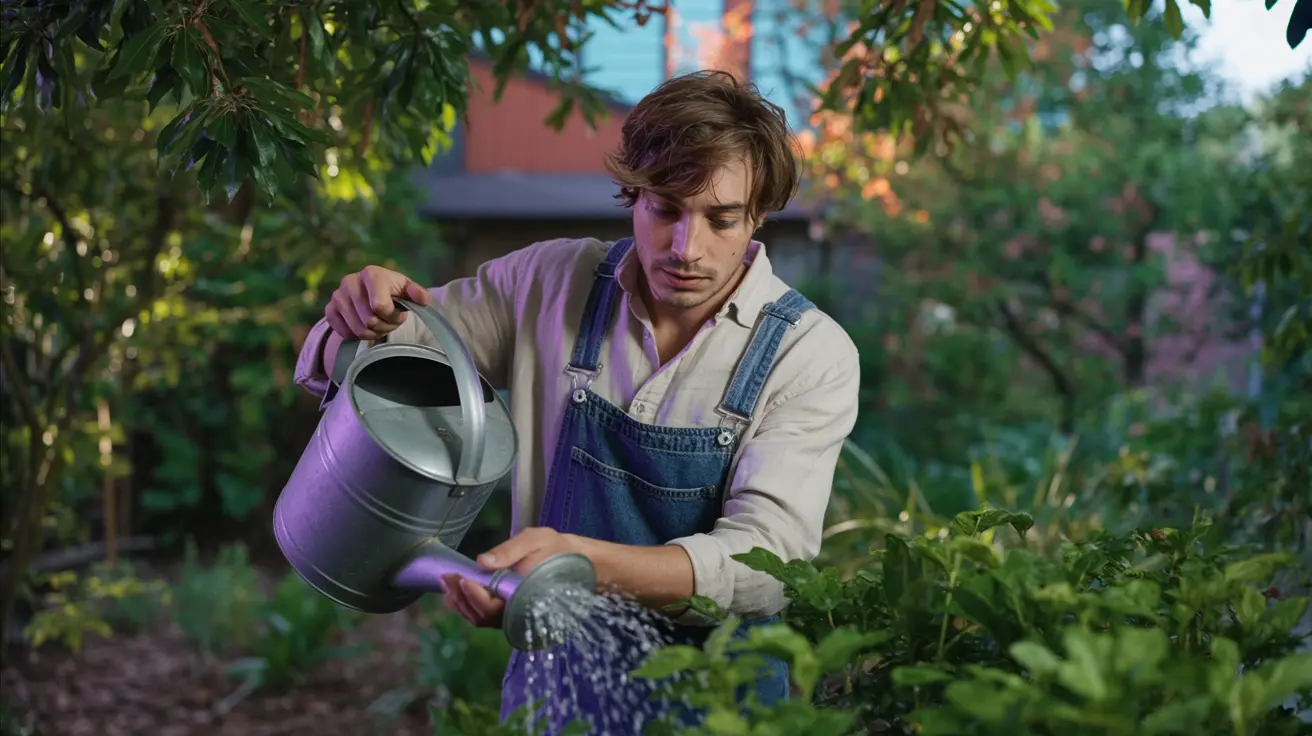
Whether you're caring for a single houseplant or an entire backyard garden, these practical watering tips will help you get the most out of every watering session.
Water Deeply Instead of Frequently
One of the most common gardening mistakes is giving plants a little water every day. While this may keep the surface of the soil damp, it rarely provides enough moisture for roots growing deeper below.
Instead, water thoroughly so the moisture reaches the full root zone. Deep watering encourages roots to grow downward, creating stronger plants that are more resistant to drought and heat.
As a general rule, it's better to water deeply a few times each week than to sprinkle lightly every day.
Aim Water at the Soil, Not the Leaves
Plant roots absorb water, not leaves.
Whenever possible, direct your watering can, hose, or irrigation system toward the base of the plant. This delivers moisture exactly where it's needed while keeping foliage dry.
Dry leaves help reduce the spread of fungal diseases and prevent unnecessary water waste caused by evaporation from leaf surfaces.
Check Soil Moisture Before Watering
Not every dry-looking plant needs water.
Before watering, insert your finger about one to two inches into the soil. If it still feels moist, your plant can usually wait another day or two. For larger garden beds or trees, check several inches below the surface.
You can also use a soil moisture meter if you prefer a more accurate reading.
This simple habit helps prevent one of the biggest causes of plant decline: overwatering.
Water Slowly to Improve Absorption
Pouring water too quickly often causes runoff, especially on compacted soil or sloped garden beds.
Instead, water slowly so the soil has time to absorb the moisture. A gentle spray nozzle, drip irrigation system, or soaker hose allows water to penetrate deeper into the ground with far less waste.
Slow watering is particularly beneficial for vegetable gardens, flower beds, and newly planted trees.
Add Mulch Around Your Plants
A layer of mulch acts like a protective blanket over the soil.
Organic mulches such as bark, wood chips, straw, shredded leaves, or compost help:
- Reduce evaporation.
- Keep soil temperatures cooler.
- Suppress weed growth.
- Improve soil quality as they decompose.
- Reduce how often you need to water.
Applying two to three inches of mulch around most outdoor plants can significantly improve moisture retention during warm weather.
Water According to the Weather

Plants don't need the same amount of water every day.
Before watering, consider:
- Recent rainfall
- Temperature
- Wind
- Humidity
- Upcoming weather forecasts
For example, if heavy rain is expected later in the day, you may be able to skip watering entirely. Likewise, during extended heat waves, plants may need additional moisture even if they were watered the previous day.
Let the weather guide your watering schedule instead of following a rigid routine.
Use Efficient Irrigation Methods
The way you deliver water can make a big difference in both plant health and water conservation.
Some of the most efficient methods include:
- Drip irrigation: Delivers water directly to the roots with minimal evaporation.
- Soaker hoses: Slowly release water along garden rows.
- Watering cans: Ideal for small gardens and indoor plants.
- Hoses with gentle spray nozzles: Allow better control than high-pressure streams.
These methods reduce waste while ensuring water reaches the areas where plants need it most.
Water Newly Planted Plants More Carefully
Young plants haven't yet developed deep root systems, making them much more vulnerable to drying out.
During their first few weeks or months after planting:
- Check soil moisture daily.
- Water consistently but avoid waterlogging.
- Reduce watering gradually as roots become established.
Once established, most plants become much more drought tolerant.
Watch Your Plants, Not Just the Calendar
Every garden is different.
Two identical plants growing just a few feet apart may have different watering needs depending on sunlight, soil type, drainage, and wind exposure.
Instead of watering automatically every Monday or every evening, observe your plants regularly. Healthy leaves, steady growth, and evenly moist soil are far better indicators than a fixed schedule.
The Bottom Line
Efficient watering isn't about using more water, it's about using it wisely. By watering deeply, checking soil moisture first, targeting the roots, using mulch, and adjusting your routine based on weather conditions, you'll create healthier plants while conserving water at the same time.
Combined with morning watering whenever possible, these habits provide the foundation for a thriving garden that's both beautiful and sustainable.
Common Myths About Watering Plants
Gardening advice is often passed down from family, friends, and neighbors, but not all of it is backed by science. Over the years, countless myths about watering plants have become accepted as fact, leading many gardeners to develop habits that are either unnecessary or even harmful.
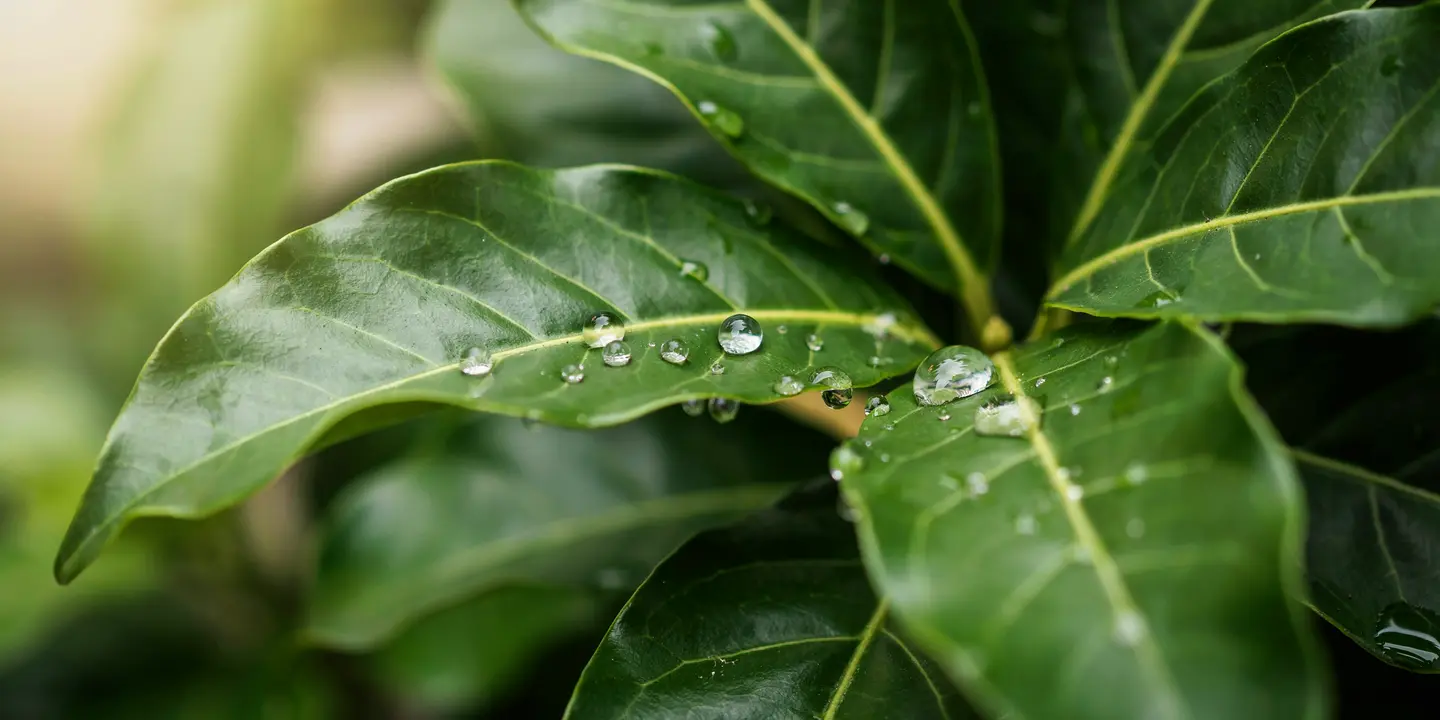
Let's separate fact from fiction and clear up some of the most common misconceptions.
Myth #1: "Evening Watering Always Kills Plants"
This is one of the biggest myths in gardening.
While morning watering is generally the better option, watering in the evening does not automatically harm your plants. Millions of gardeners successfully water in the early evening, especially during hot summers or when work schedules make morning watering impossible.
The real concern is leaving foliage wet overnight, which can increase the risk of fungal diseases. If you water at the base of the plant and avoid soaking the leaves, evening watering is usually perfectly safe.
The truth: Morning is ideal, but evening watering is far better than letting plants become dehydrated.
Myth #2: "Water Droplets Burn Plant Leaves"
You've probably heard that watering during sunny weather causes water droplets to act like tiny magnifying glasses, burning leaves.
Although this idea has been repeated for decades, there's very little evidence that it happens under normal gardening conditions.
Most water droplets either evaporate or roll off leaves long before they could focus enough sunlight to cause damage. When leaves appear scorched, the real causes are usually excessive heat, drought stress, nutrient deficiencies, or disease, not watering.
The truth: Water doesn't normally burn leaves. Midday watering is discouraged mainly because of evaporation, not because of leaf scorch.
Myth #3: "More Water Means Healthier Plants"
Many beginner gardeners assume that extra water can only help their plants grow faster.
In reality, too much water is one of the leading causes of plant decline.
Roots need oxygen as well as moisture. Constantly saturated soil reduces airflow around the roots, making plants vulnerable to root rot, fungal infections, and poor growth.
Signs of overwatering often include:
- Yellow leaves
- Wilting despite wet soil
- Mushy stems
- Slow growth
- Root rot
The truth: Plants thrive when they receive the right amount of water, not the maximum amount possible.
Myth #4: "Every Plant Should Be Watered Every Day"
This is another common misconception.
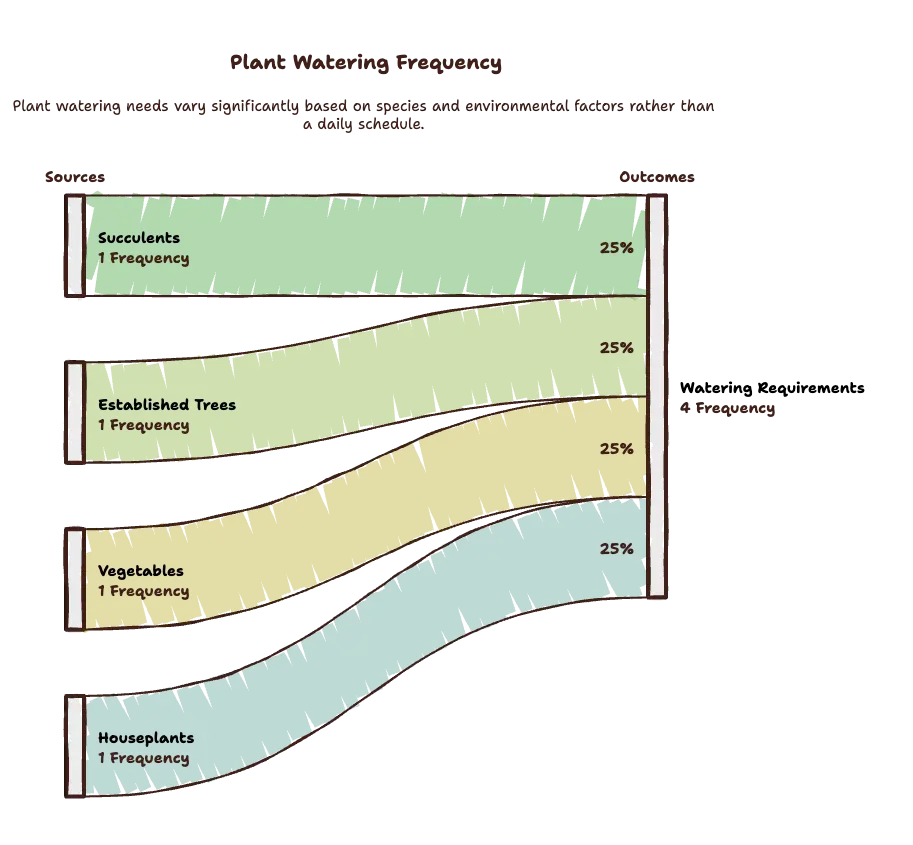
Different plants have very different watering requirements.
For example:
- Succulents may only need watering every few weeks.
- Established trees often require deep watering only occasionally.
- Vegetables may need watering several times a week during summer.
- Houseplants vary depending on species, pot size, and indoor conditions.
Daily watering can actually weaken plants by encouraging shallow root systems.
The truth: Water according to the plant's needs and soil moisture, not a daily schedule.
Myth #5: "If the Surface Looks Dry, the Plant Needs Water"
The top layer of soil often dries much faster than the soil below it.
Many gardeners make the mistake of watering simply because the surface appears dry, even though the root zone may still contain plenty of moisture.
Instead, check the soil a couple of inches below the surface before deciding to water.
The truth: Always test the soil beneath the surface before reaching for the watering can.
Myth #6: "Rain Means You Can Skip Watering"
Rainfall doesn't always provide enough moisture.
A brief shower may only wet the top layer of soil while deeper roots remain dry. Windy conditions, sandy soils, and dense tree canopies can also prevent enough water from reaching your plants.
After rainfall, it's worth checking the soil before assuming your plants have received everything they need.
The truth: Let soil moisture, not rainfall alone, determine whether watering is necessary.
Myth #7: "All Plants Need the Same Watering Schedule"
Every garden is unique.
Sun exposure, soil type, humidity, rainfall, wind, drainage, container size, and plant species all influence how quickly moisture disappears.
A tomato plant growing in full sun will usually need water much more often than a snake plant sitting indoors near a window.
The truth: There is no universal watering schedule that works for every plant.
The Bottom Line
Many watering myths persist simply because they sound logical, but successful gardening is based on observation rather than assumptions. Instead of following outdated rules, pay attention to your plants, check soil moisture regularly, and adjust your watering routine based on weather conditions and each plant's individual needs.
By replacing gardening myths with proven practices, you'll waste less water, avoid common mistakes, and enjoy healthier plants throughout every season.
Frequently Asked Questions
What is the absolute best time of day to water plants?
For most plants, early morning is the best time to water. Watering shortly after sunrise allows moisture to soak into the soil before temperatures rise, giving roots plenty of time to absorb water throughout the day. It also allows any moisture on the leaves to dry quickly, reducing the risk of fungal diseases.
Is watering plants at night bad?
Not necessarily. Watering at night won't automatically harm your plants, but it can increase the risk of fungal diseases if leaves remain wet for long periods. If evening is your only option, water as early as possible, aim directly at the soil, and avoid soaking the foliage.
Can I water plants twice a day?
Yes, but only when it's truly necessary. During extreme heat, newly planted gardens, hanging baskets, and container plants may need a second watering later in the day because they dry out much faster than plants growing in the ground. For most established plants, however, deep watering once every few days is more beneficial than frequent light watering.
How early should I water my garden?
Ideally, water your garden between sunrise and mid-morning. This gives the soil time to absorb moisture before the hottest part of the day while allowing leaves to dry naturally. If you can't water that early, watering later in the morning is still generally better than waiting until midday.
Is evening watering better than missing a watering?
Absolutely. If your plants are dry and showing signs of stress, watering in the evening is far better than waiting until the following morning. Healthy plants depend on adequate moisture, and temporary evening watering poses far less risk than prolonged drought stress.
Should indoor plants also be watered in the morning?
Morning is still a good time to water houseplants, but indoor plants are generally less affected by watering time than outdoor plants because temperatures remain more stable. The most important factor is checking the soil before watering and allowing excess water to drain completely so roots don't sit in standing water.
How can I tell if my plants actually need water?
The easiest method is to check the soil with your finger. Insert it one to two inches below the surface. If the soil still feels moist, wait another day or two before watering. If it feels dry, it's usually time to water. You can also use a soil moisture meter for a more precise reading, especially for larger pots or garden beds.
Is it better to water plants every day or less often?
In most cases, it's better to water deeply and less frequently. Deep watering encourages roots to grow downward, making plants stronger and more drought-resistant. Daily light watering often results in shallow roots and plants that become dependent on constant moisture.
Does watering time matter during rainy weather?
Rain doesn't always provide enough moisture for your plants. A light shower may only wet the soil's surface, while deeper roots remain dry. After rainfall, check the soil before deciding whether additional watering is needed rather than assuming the rain was sufficient.
What's the biggest mistake people make when watering plants?
One of the most common mistakes is watering on a fixed schedule without checking the soil first. Plants don't need the same amount of water every day, and factors like weather, soil type, season, and plant species all affect how quickly moisture is used. Checking soil moisture before watering is one of the simplest ways to prevent both overwatering and underwatering.
Conclusion
Watering your plants may seem like one of the simplest gardening tasks, but timing can make a meaningful difference in their overall health and growth. While every plant has its own unique needs, one recommendation remains consistent across most gardens: watering in the morning provides the best conditions for healthy, thriving plants. Cooler temperatures, lower evaporation, and plenty of daylight allow roots to absorb moisture efficiently while giving leaves time to dry naturally.

That said, gardening isn't always predictable. If your schedule only allows you to water in the evening, don't let the pursuit of the "perfect" watering time prevent you from caring for your plants. Watering in the early evening is still far better than allowing plants to suffer from prolonged drought, especially during hot weather or periods of rapid growth. The key is to water the soil rather than the foliage and avoid leaving plants sitting in overly wet conditions overnight.
Remember that successful watering is about more than simply watching the clock. Pay attention to the weather, check soil moisture before watering, and adjust your routine based on the season, your local climate, and the specific needs of each plant. A vegetable garden, a succulent collection, and a mature tree won't all require the same schedule, and that's perfectly normal.
By combining smart watering techniques with consistent observation, you'll encourage deeper root systems, healthier foliage, stronger blooms, and more resilient plants throughout the year. Whether you're growing houseplants on a windowsill or maintaining a flourishing backyard garden, watering at the right time, and in the right way, is one of the easiest steps you can take to help your plants thrive.
The next time you reach for the watering can or turn on the hose, remember this simple rule: morning is usually best, consistency is essential, and your plants will always tell you what they need if you take the time to listen.

Leave a comment
Your email address will not be published. Required fields are marked *