
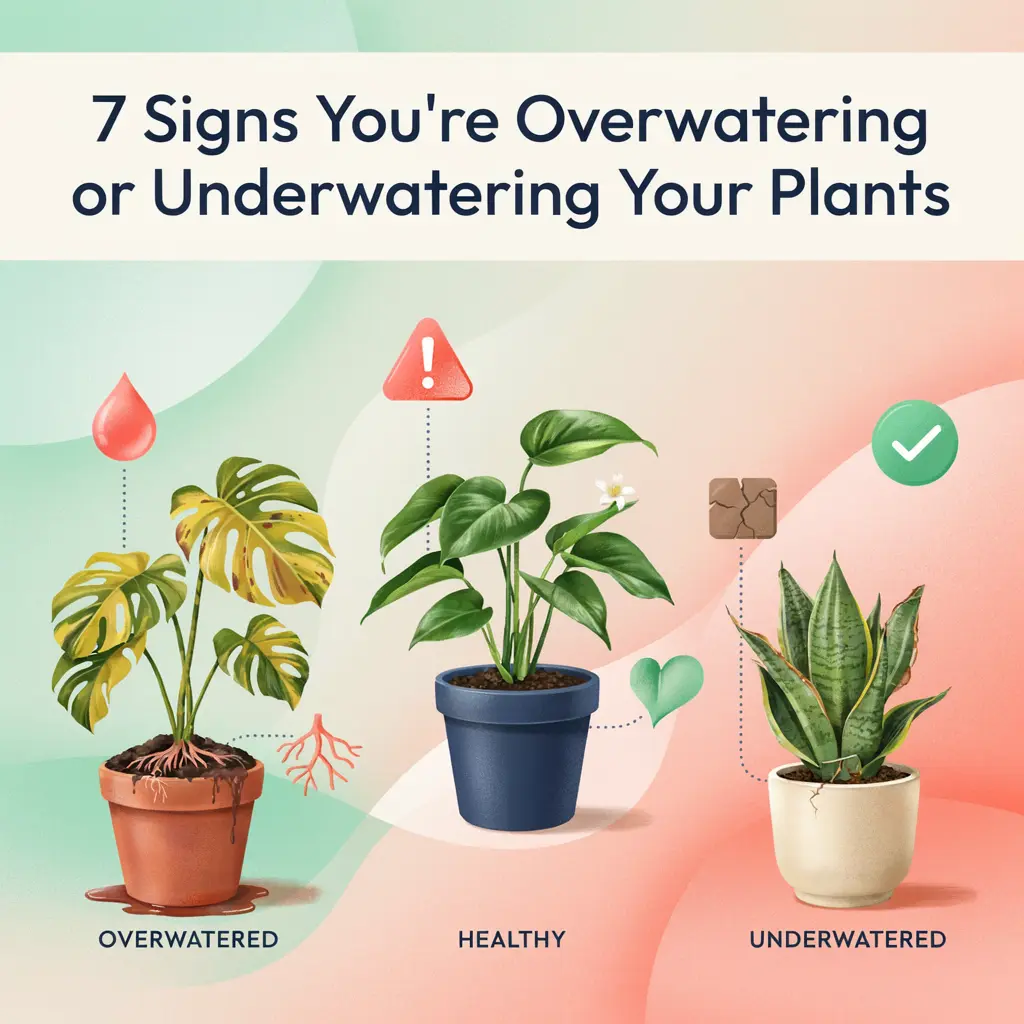
Nothing is more frustrating than watching a healthy-looking plant suddenly develop yellow leaves, droop dramatically, or stop growing altogether. Your first instinct is usually to reach for the watering can, but that instinct isn't always right. In fact, one of the biggest mistakes plant owners make is assuming every struggling plant is thirsty. Sometimes the exact opposite is true.
Overwatering and underwatering are responsible for more houseplant problems than pests, poor lighting, or fertilizer issues combined. The challenge is that both problems often produce surprisingly similar symptoms. A plant with soggy, suffocating roots can look just as wilted as one that's desperately searching for moisture, making it difficult to know what your plant is actually trying to tell you.

The good news is that plants leave clues. From yellowing leaves and crispy brown edges to mushy stems and stubbornly wet soil, every symptom points toward an underlying cause. Once you learn how to read those signs, caring for your plants becomes far less about guessing and far more about understanding what they need.
In this guide, you'll discover the seven most common signs that you're either overwatering or underwatering your plants, learn how to tell the difference between the two, and find practical, step-by-step solutions to help your plants recover. Whether you're caring for a single pothos on your desk or an entire indoor jungle, these tips will help you water with confidence and keep your plants thriving year-round.
Why Proper Watering Is More Important Than You Think
Water might seem like the simplest part of plant care, but it's also the easiest thing to get wrong. While sunlight often gets most of the attention, proper watering is what keeps every part of a plant functioning, from healthy roots and sturdy stems to lush, vibrant leaves. Too much or too little water can disrupt that balance, leaving even the toughest houseplants struggling to survive.
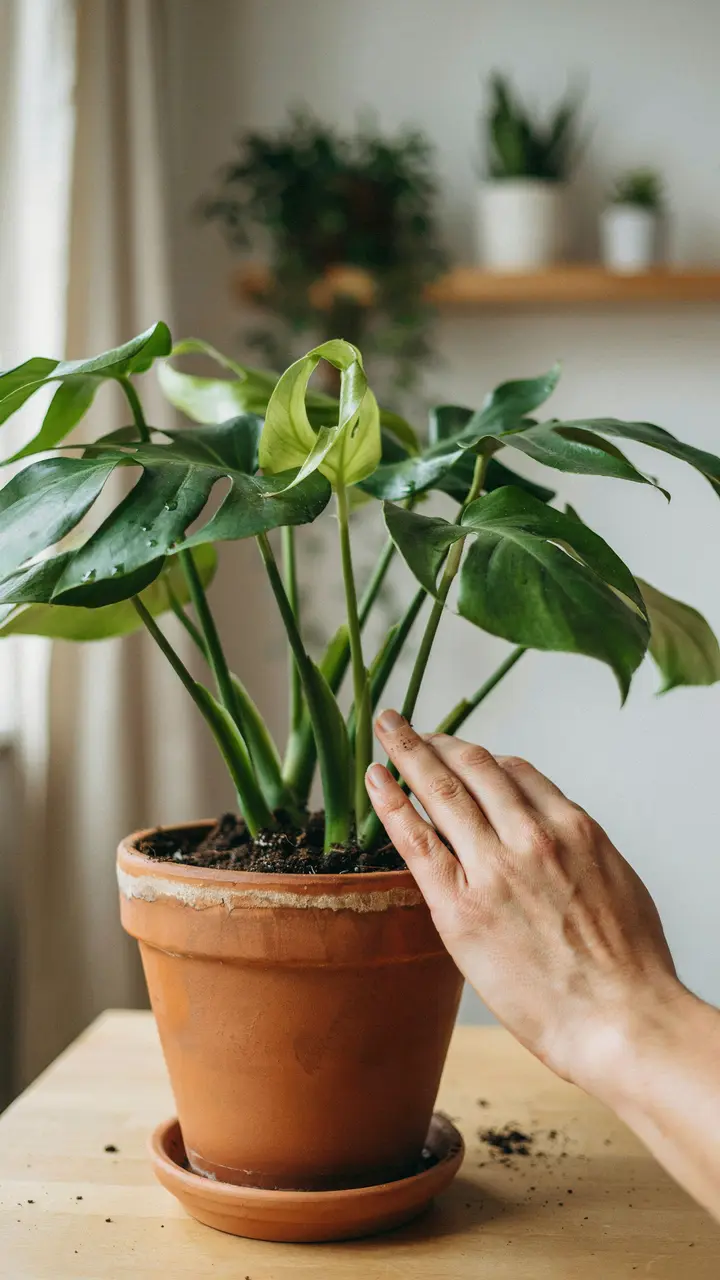
Plants absorb water through their roots, using it to transport nutrients from the soil to every cell. Water also plays a vital role in photosynthesis, the process that allows plants to convert sunlight into energy. Without enough moisture, these essential functions begin to slow down. Growth stalls, leaves lose their firmness, and the plant starts showing visible signs of stress.
But here's what surprises many beginners: roots don't just need water, they need oxygen too. When soil stays constantly saturated, the tiny air pockets between soil particles fill with water, effectively suffocating the roots. Without oxygen, roots begin to weaken, decay, and eventually rot. Once root rot develops, the plant can no longer absorb water efficiently, even though the soil is soaking wet.
On the other hand, allowing soil to become bone dry for extended periods creates a different set of problems. The roots begin to dry out, reducing their ability to absorb moisture when water finally becomes available again. Repeated cycles of severe drought can permanently damage delicate root hairs, making it harder for the plant to recover.
It's also important to remember that there isn't a universal watering schedule. A snake plant may be perfectly happy with water every few weeks, while a peace lily prefers consistently moist soil. Environmental conditions matter just as much. Temperature, humidity, sunlight, airflow, pot size, and the type of potting mix all influence how quickly soil dries out.
That's why experienced plant owners rarely water by the calendar. Instead, they observe their plants and check the soil before reaching for the watering can. Learning to recognize your plant's natural watering rhythm is one of the most valuable skills you can develop, and it dramatically reduces the risk of both overwatering and underwatering.
Sign #1: Yellow Leaves That Won't Stop Appearing
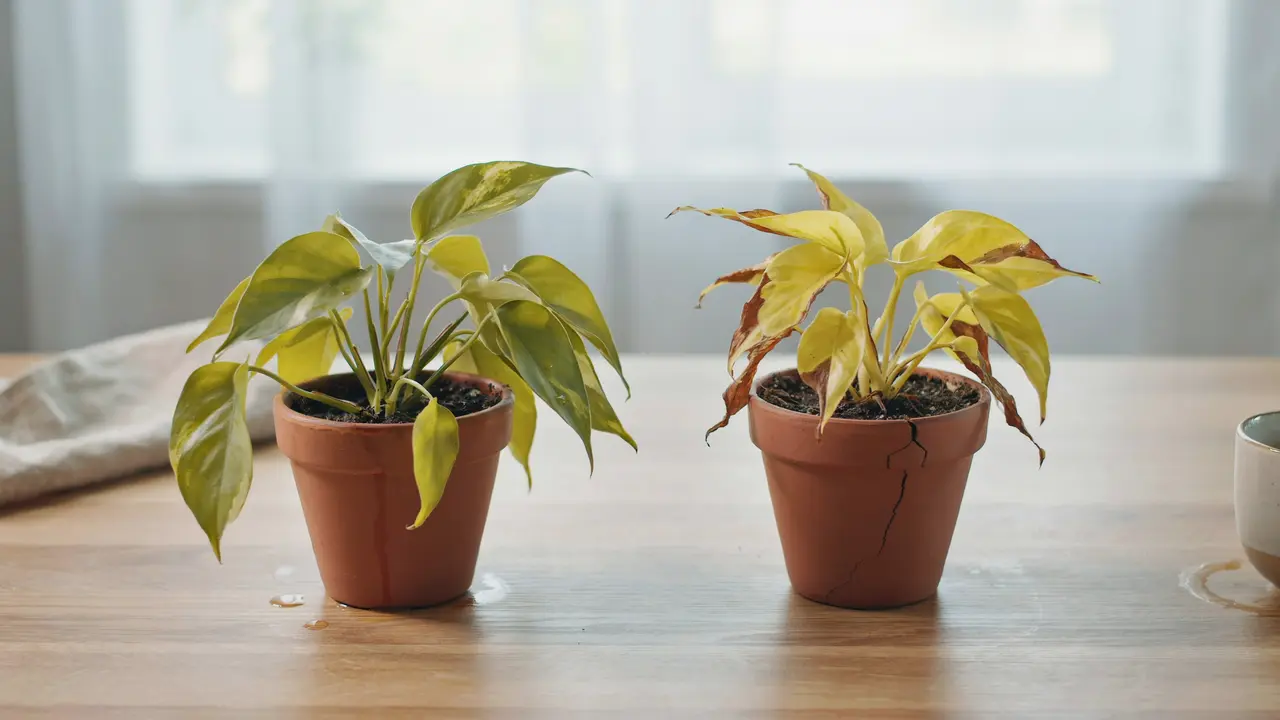
Yellow leaves are one of the earliest and most common warning signs that something is wrong with your watering routine. The challenge is that both overwatering and underwatering can cause leaves to turn yellow, so it's important to look beyond the color itself before deciding how to fix the problem.
If your plant is being overwatered, the yellowing usually starts on the older, lower leaves. The leaves often feel soft or limp rather than dry, and the soil remains damp several days after watering. You may also notice slow growth or leaves dropping off with very little effort. These symptoms occur because waterlogged roots can't absorb oxygen, causing them to weaken and struggle to deliver nutrients throughout the plant.
With underwatering, yellow leaves are often accompanied by dry, crispy edges, curling foliage, and soil that has pulled away from the sides of the pot. The leaves may feel papery instead of soft, and the entire plant often looks dehydrated. In severe cases, the oldest leaves turn yellow first as the plant conserves moisture for new growth.
Before making any changes, check the soil. Insert your finger about two inches into the potting mix. If it feels wet and heavy, overwatering is the more likely culprit. If the soil is dry throughout and the pot feels unusually light, your plant probably needs a thorough drink.
How to Fix It
If you've been overwatering, stop watering immediately and allow the soil to dry before adding more moisture. Make sure your pot has drainage holes and empty any excess water sitting in saucers or decorative cache pots. If the soil stays wet for more than a week or has a sour smell, consider repotting the plant into fresh, well-draining soil to prevent root rot.
If the problem is underwatering, water the plant deeply until excess water drains from the bottom of the pot. Avoid giving small splashes of water, as they often fail to reach the deeper roots where moisture is needed most. Going forward, check the soil regularly instead of watering on a fixed schedule.
It's also worth remembering that yellow leaves rarely turn green again. Once a leaf has completely yellowed, its chlorophyll has broken down permanently. After you've corrected the watering issue and new healthy growth appears, you can safely prune away the damaged leaves so your plant can focus its energy on producing fresh foliage.
Sign #2: Wilting Even Though the Soil Is Wet
A drooping plant usually makes people think it's thirsty, so the natural reaction is to add more water. But if the soil is already wet, watering again can make the problem much worse. Wilting despite moist soil is one of the clearest signs that your plant may actually be suffering from overwatering rather than dehydration.
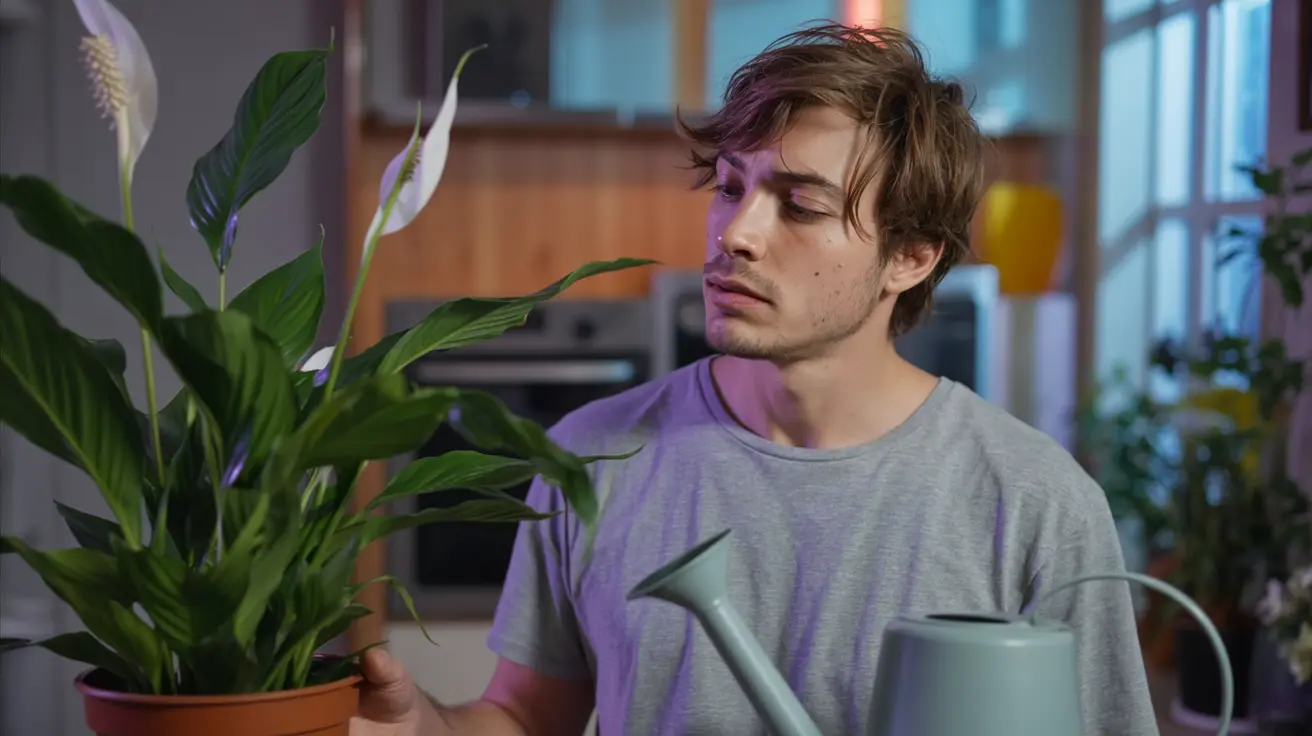
Healthy roots need a balance of water and oxygen to function properly. When the soil stays saturated for too long, oxygen levels drop dramatically, leaving the roots unable to breathe. Over time, they begin to weaken and die. Even though there's plenty of water in the pot, damaged roots can't absorb it effectively, so the leaves and stems start to wilt as if the plant were completely dry.
This type of wilting looks different from a thirsty plant once you know what to watch for. An overwatered plant often has limp, soft leaves that hang lifelessly from the stems. The soil feels cool and damp, sometimes several days after watering, and you may notice yellowing leaves developing alongside the drooping foliage.
By comparison, an underwatered plant usually perks up within a few hours after receiving a deep watering. The leaves may feel dry or slightly crispy before watering, and the pot will often feel noticeably lighter because the soil has lost most of its moisture. If your plant doesn't recover after watering, or the soil was never dry to begin with, overwatering is the more likely cause.
How to Fix It
The first step is simple: stop watering. Give the soil time to dry to the appropriate level for your specific plant before watering again. Place the plant somewhere with good air circulation and bright, indirect light to help excess moisture evaporate naturally.
Next, check that your pot drains properly. Drainage holes are essential because they allow excess water to escape instead of collecting around the roots. If your plant sits inside a decorative pot, remove it after watering and empty any standing water before placing it back.
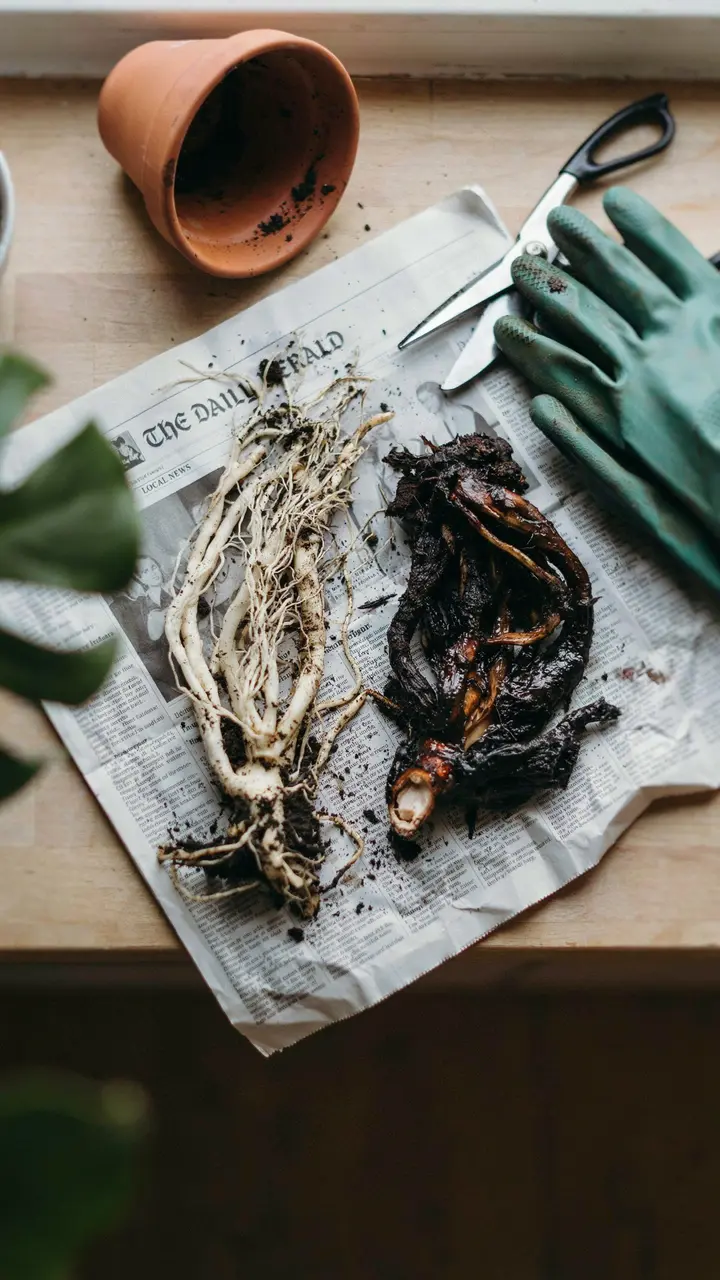
If the plant continues to decline or you notice a sour smell coming from the soil, gently remove it from the pot and inspect the roots. Healthy roots are firm and white or light tan. Roots that are dark brown, black, mushy, or have a foul odor are likely affected by root rot. Trim away the damaged roots with clean scissors and repot the plant into fresh, well-draining potting mix.
Recovery won't happen overnight, but with the right care, many plants begin producing healthy new growth within a few weeks. The key is resisting the urge to keep watering. Sometimes the best thing you can do for an overwatered plant is simply give its roots a chance to breathe again.
Sign #3: Brown, Crispy Leaf Edges or Dry Tips
Brown, crispy leaf edges are your plant's way of telling you that it's struggling to hold onto moisture. While this symptom is most commonly linked to underwatering, it isn't always that simple. Low humidity, inconsistent watering, mineral buildup from tap water, and even excessive fertilizer can all contribute to dry, damaged leaf tips. That's why it's important to consider the full picture before reaching for the watering can.
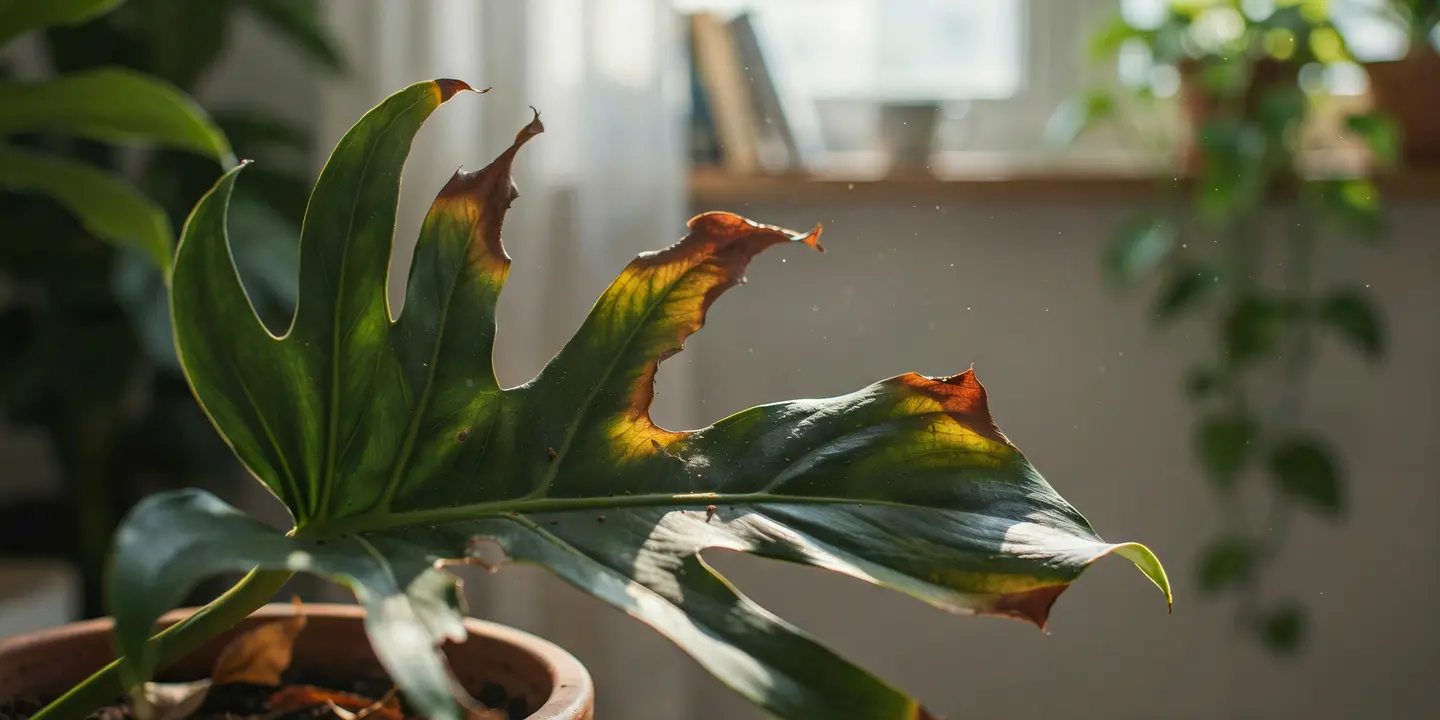
When underwatering is the culprit, the symptoms usually appear gradually. The tips of the leaves turn brown first, followed by the edges. As the soil continues to dry out, entire leaves may become brittle, curl inward, or eventually fall from the plant. New growth may also emerge smaller than normal because the plant doesn't have enough moisture to support healthy development.
Plants lose water constantly through a process called transpiration. If they can't replace that moisture through their roots, they begin conserving water by sacrificing the outer edges of their leaves first. This is especially common in tropical houseplants like peace lilies, calatheas, ferns, and spider plants, which naturally prefer higher humidity levels.
However, don't assume dry leaf tips always mean your plant needs more water. Feel the soil before making any adjustments. If it's still damp a few inches below the surface, the issue may be low indoor humidity rather than dehydration. During winter, heating systems can dramatically reduce humidity levels, causing sensitive plants to develop crispy edges even when they're watered correctly.
How to Fix It
Start by checking the soil. If it's dry several inches down, give the plant a deep, thorough watering until water drains freely from the bottom of the pot. Avoid giving small amounts of water frequently, as this often leaves the lower roots dry while only moistening the surface.
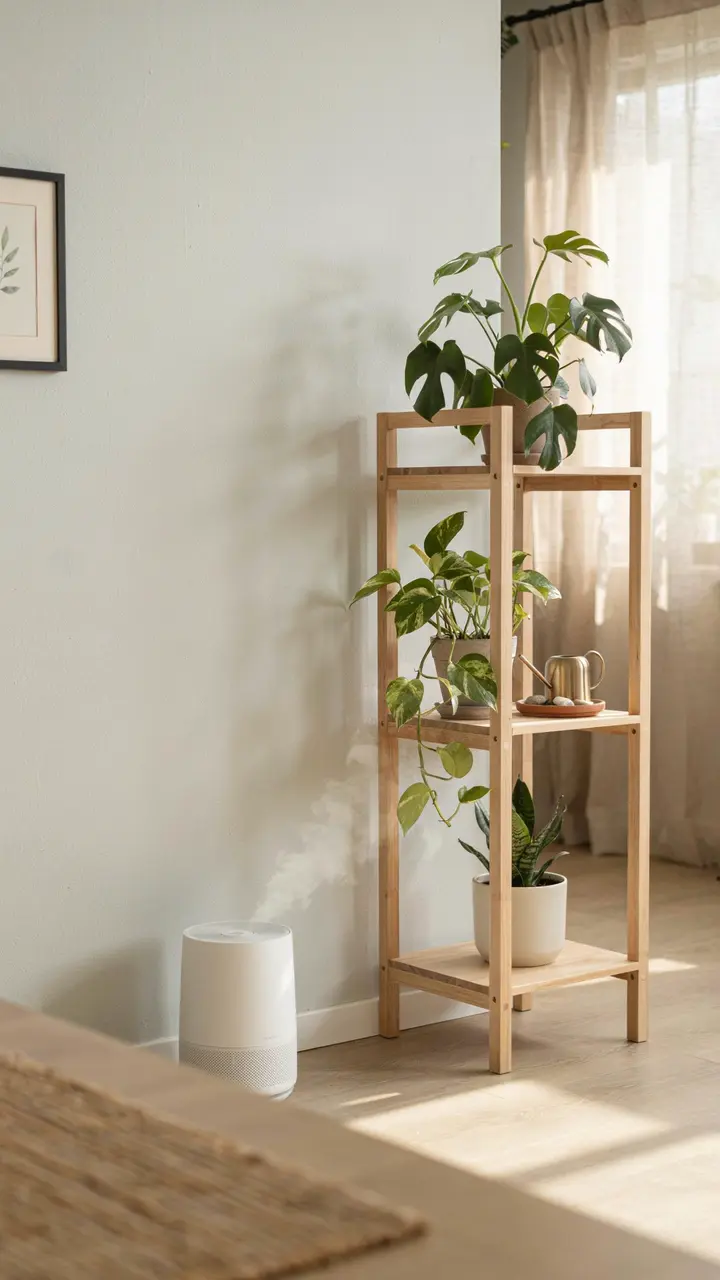
If the soil already contains enough moisture, focus on increasing humidity instead. Grouping plants together, placing them near a humidifier, or using a pebble tray filled with water can help create a more comfortable environment for tropical species. Just remember that misting leaves provides only temporary humidity and isn't a long-term solution.
You should also consider the quality of the water you're using. Some plants are sensitive to minerals, chlorine, or fluoride found in tap water. If brown tips continue appearing despite proper watering, switching to filtered, distilled, or rainwater may help reduce further damage.
Finally, trim away the brown, crispy portions of the leaves using clean scissors. While the damaged tissue won't turn green again, removing it improves the plant's appearance and allows you to monitor whether your changes are preventing new damage. If fresh leaves begin emerging healthy and vibrant, you'll know your watering routine is back on the right track.
Sign #4: Soft, Mushy Stems or a Bad Smell From the Soil
If your plant's stems feel soft instead of firm, or you notice a sour, musty smell coming from the pot, don't ignore it. These are some of the strongest warning signs that your plant is suffering from severe overwatering, and in many cases, root rot has already begun to develop. Acting quickly can make the difference between saving the plant and losing it altogether.
Healthy stems should feel sturdy and support the weight of the leaves without bending excessively. When stems become soft, mushy, or appear dark and water-soaked, it's usually because the plant's tissues have started to break down after sitting in overly wet soil for too long. At the same time, harmful fungi and bacteria thrive in constantly saturated conditions, attacking weakened roots and causing decay.
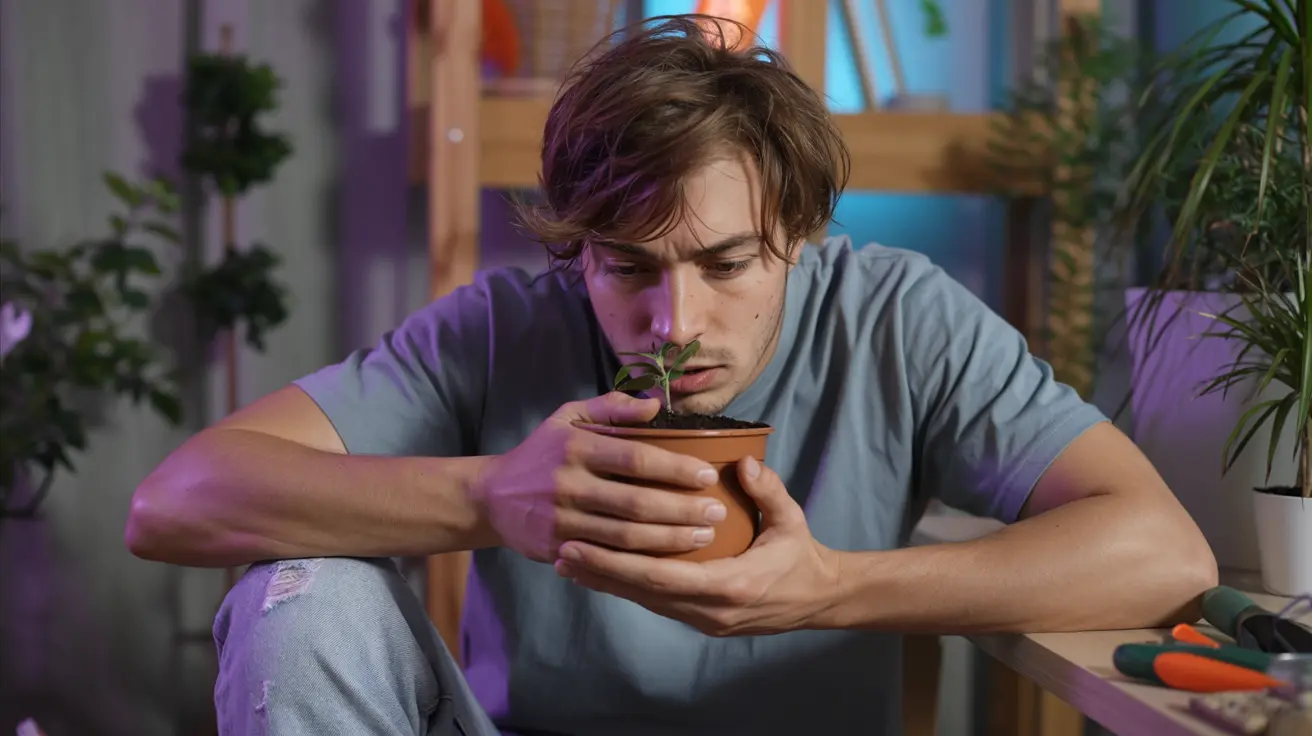
The smell is another major clue. Fresh potting soil has an earthy scent, but soil affected by root rot often smells sour, swampy, or like something is decomposing. That odor is caused by microorganisms breaking down dead root tissue beneath the surface. Even if the leaves still look relatively healthy, a foul smell almost always indicates that the root system needs immediate attention.
Other symptoms often appear alongside mushy stems, including yellowing leaves, slow growth, persistent wilting despite wet soil, and leaves that fall off with little effort. Unfortunately, these signs usually mean the problem has been developing for some time rather than appearing overnight.
How to Fix It
Begin by removing the plant from its pot as gently as possible. Shake away the old soil so you can inspect the roots clearly. Healthy roots are firm, white, cream-colored, or light tan. Roots affected by rot are typically dark brown or black, soft to the touch, and may fall apart easily when handled.
Using clean, sterilized scissors or pruning shears, trim away every mushy or rotten root. It may feel drastic, but leaving infected roots behind allows the rot to continue spreading. If any stems have become soft or blackened, prune those away as well.
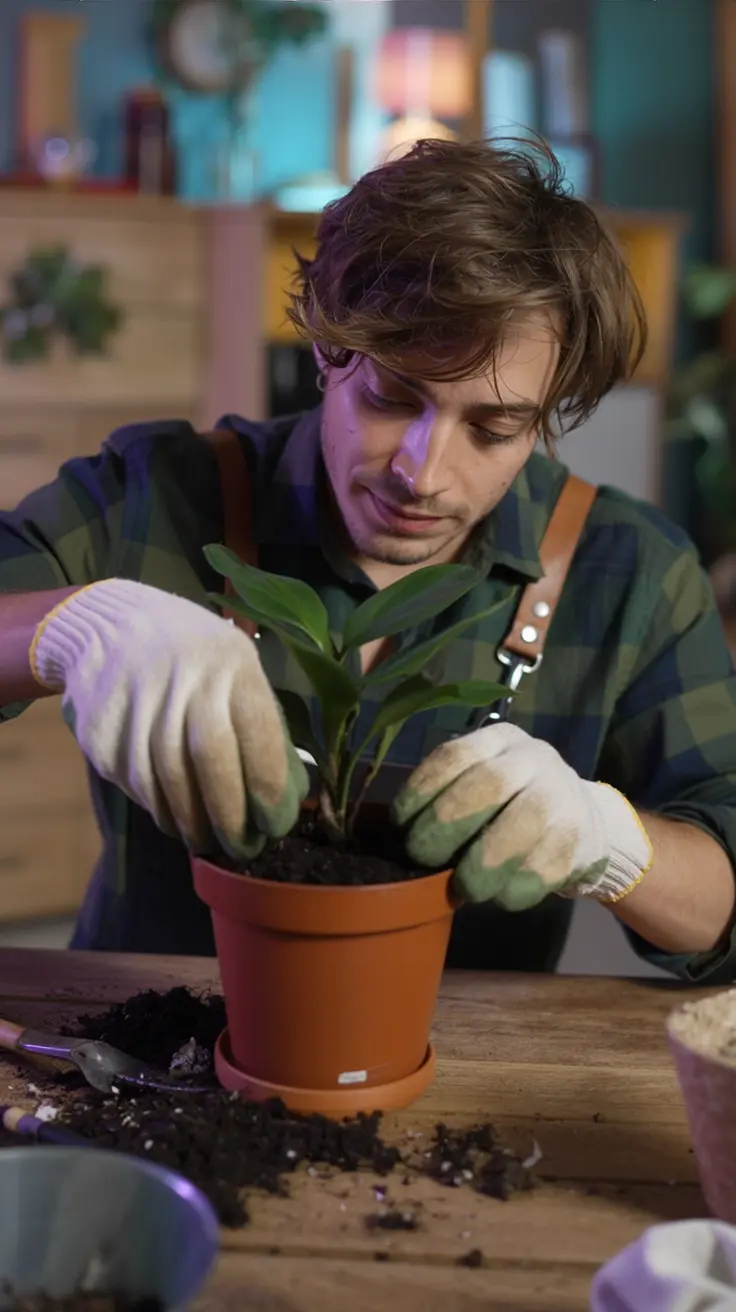
Next, repot the plant using fresh, well-draining potting mix and a clean pot with drainage holes. Avoid reusing contaminated soil, as it may still contain fungi that can infect the healthy roots. After repotting, wait a few days before watering lightly to give any trimmed roots time to heal.
Going forward, adjust your watering habits to prevent the problem from returning. Always check the soil before watering, empty excess water from saucers, and make sure your plant isn't sitting in water for extended periods. Improving airflow around the plant and choosing a potting mix appropriate for the species can also help keep the root system healthy.
Although root rot is one of the most serious watering problems a plant can face, it isn't always a death sentence. If enough healthy roots remain and you catch the issue early, many houseplants can make a remarkable recovery and reward you with fresh, vigorous growth in the weeks ahead.
Sign #5: Slow Growth or No New Leaves
If your plant hasn't produced a new leaf in weeks, or even months, it may be telling you that something is off below the surface. While seasonal dormancy and low light can naturally slow growth, improper watering is another common reason plants stop thriving. Both overwatering and underwatering create stress that forces plants to shift their energy from growing to simply surviving.

Healthy plants rely on a steady supply of water to transport nutrients from the soil to their leaves, stems, and developing shoots. When that balance is disrupted, growth is often one of the first things to suffer. Instead of producing fresh foliage, the plant conserves its limited resources to keep existing leaves alive.
With overwatering, damaged roots struggle to absorb oxygen and nutrients. Even though plenty of water surrounds the roots, they can't function properly, leaving the plant starved of the essentials it needs for healthy growth. You may notice that new leaves emerge much smaller than usual, appear pale, or fail to open completely.
Underwatering creates a different kind of stress. When the soil stays dry for extended periods, the plant conserves moisture by slowing its metabolism. Growth pauses because producing new leaves requires energy and water, two resources the plant simply doesn't have enough of. In severe cases, flower buds may drop before opening, and existing leaves may begin to yellow or fall off.
Before assuming watering is the problem, consider other factors as well. During autumn and winter, many houseplants naturally grow more slowly due to shorter daylight hours. However, if your plant is in its active growing season and hasn't shown signs of new growth despite receiving enough light, watering issues should be high on your list of possible causes.
How to Fix It
Start by evaluating your watering routine honestly. Instead of watering on a fixed schedule, check the soil regularly and only water when the plant actually needs it. Different species prefer different moisture levels, so take time to learn the requirements of your specific plant rather than following a one-size-fits-all approach.
Next, inspect the roots if you suspect chronic overwatering. Healthy roots are essential for nutrient uptake, and damaged roots can prevent growth even after watering habits improve. If necessary, trim away any rotten roots and repot the plant into fresh, well-draining soil.
Once the watering issue has been corrected, be patient. Plants don't bounce back overnight. Depending on the species and the extent of the stress, it may take several weeks before you notice fresh leaves or stronger growth. Resist the urge to "speed things up" by adding extra fertilizer, as this can place additional stress on an already weakened root system.
The best sign that your plant is recovering is the appearance of healthy new growth. Fresh leaves that emerge with good color, normal size, and firm texture are clear indicators that the roots are functioning properly again. With consistent care and the right watering habits, most plants gradually return to their normal growth cycle and become healthier than ever.
Sign #6: Leaves Curling, Dropping, or Becoming Brittle
Leaves are often the first part of a plant to react when something isn't right, and curling, dropping, or becoming brittle is a clear sign that it's under stress. While these symptoms can be caused by pests, temperature extremes, or nutrient deficiencies, inconsistent watering is one of the most common reasons they appear.
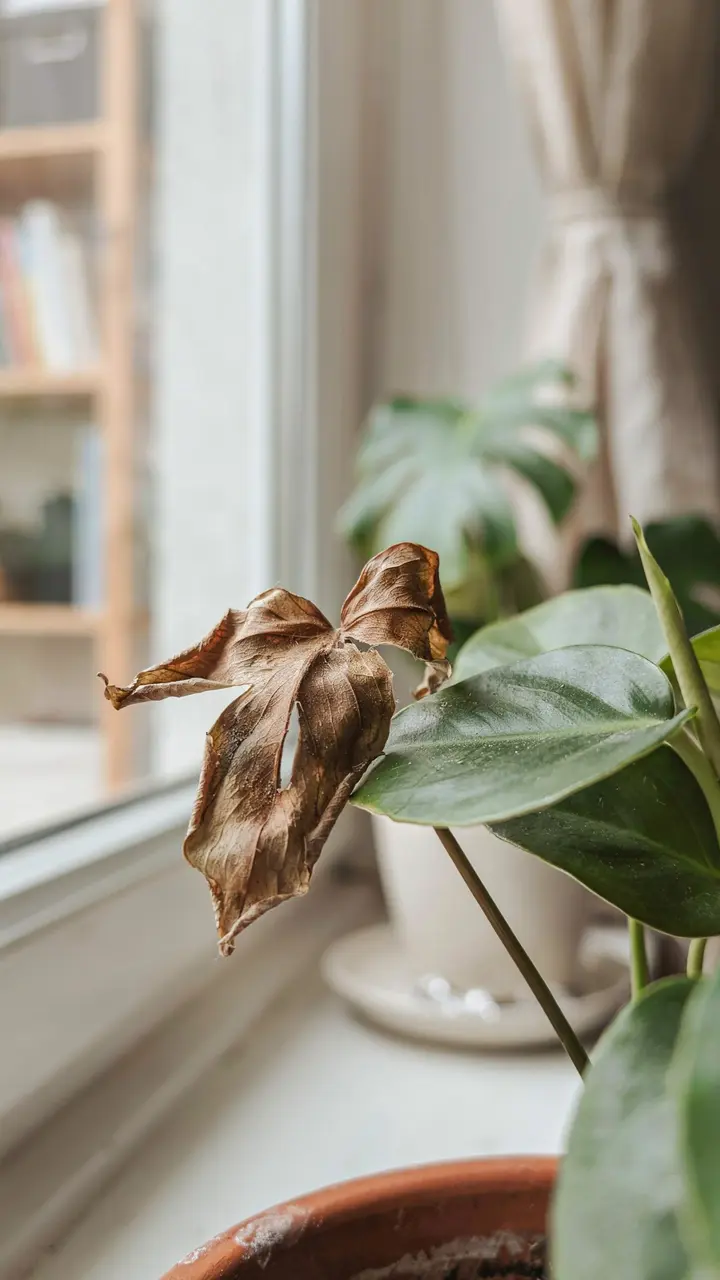
When a plant doesn't receive enough water, it begins conserving moisture wherever it can. One of the easiest ways to do this is by curling its leaves inward, reducing the amount of surface area exposed to the air. This slows water loss through transpiration and helps the plant survive during dry conditions. If the lack of water continues, the leaves may become dry, brittle, and eventually fall off as the plant redirects its remaining resources to protect its roots and newer growth.
Overwatering can produce similar-looking symptoms, but for a very different reason. Instead of drying out, the roots become stressed because they're deprived of oxygen. As root health declines, the plant struggles to transport water and nutrients efficiently, causing leaves to curl, droop, or drop unexpectedly. In this case, the leaves often feel soft before they fall, rather than crisp and dry.
Environmental conditions can make the problem worse. Hot summer temperatures, direct afternoon sunlight, indoor heating during winter, or air conditioning vents can all increase water loss. If your watering routine doesn't adjust to match these changing conditions, your plant may begin showing signs of stress even if your schedule worked perfectly a few weeks earlier.
How to Fix It
The first step is identifying whether the soil is too wet or too dry. Insert your finger into the potting mix or use a moisture meter to check below the surface rather than judging by the top layer alone. If the soil is dry, water deeply until excess water drains from the bottom of the pot. If it's overly wet, allow it to dry before watering again and make sure excess water can drain freely.
Consistency is the key to preventing recurring problems. Rather than watering every few days because it's "time," let the plant guide you. Check the soil, observe the leaves, and learn how quickly moisture evaporates in your home during different seasons.
It's also worth moving your plant away from heat sources, cold drafts, or harsh direct sunlight if environmental stress is contributing to the issue. A more stable environment reduces moisture loss and allows the plant to recover more quickly.
Damaged leaves may not return to their original shape, but don't let that discourage you. Focus on the condition of the new growth. If fresh leaves begin emerging flat, firm, and healthy, it's a strong sign that your watering routine is back on track. Over time, your plant will replace the damaged foliage with vigorous new growth, leaving the signs of stress behind.
Sign #7: Soil That Never Dries Out, or Dries Out Immediately
The condition of your soil can reveal just as much about your plant's health as the leaves themselves. If your potting mix stays soggy for days after watering or dries out within a matter of hours, your plant is likely dealing with a moisture imbalance. In both cases, the problem isn't always how much you're watering, it may be the soil, the pot, or the growing environment.
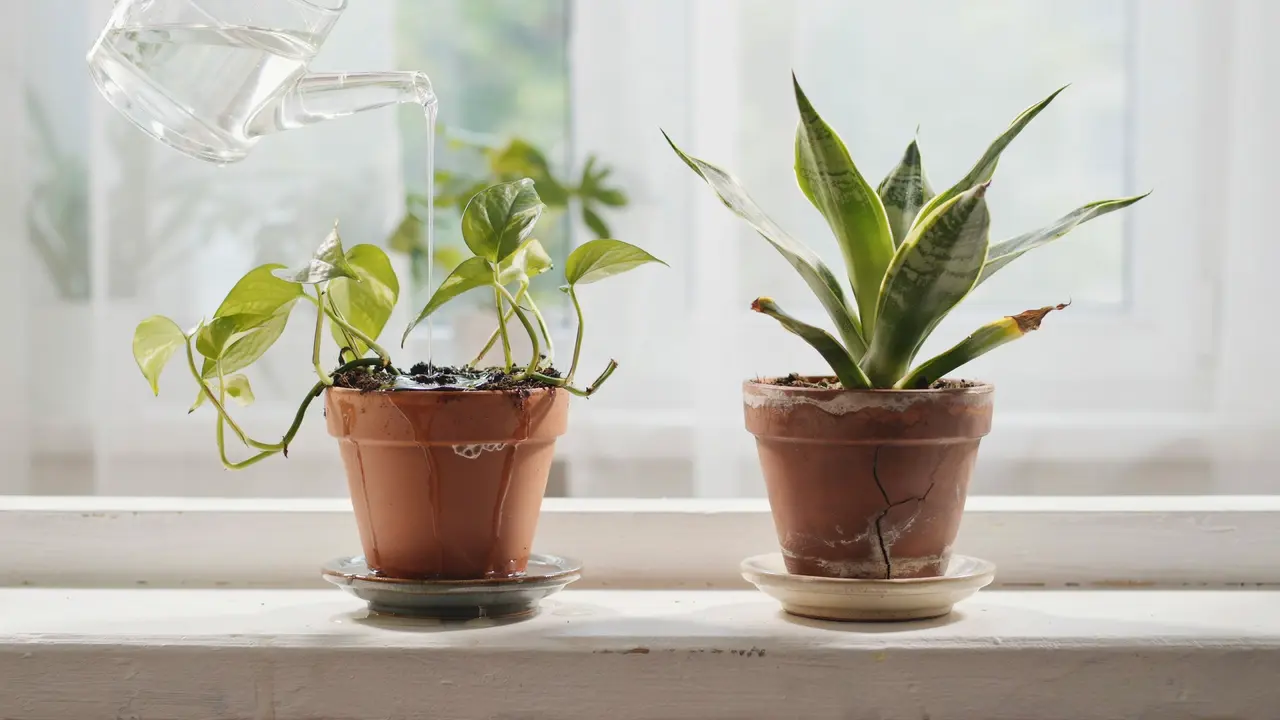
Soil that never seems to dry is a common cause of chronic overwatering. Dense potting mixes, oversized pots, poor drainage, and containers without drainage holes can trap excess moisture around the roots for far too long. As a result, oxygen can't circulate properly, increasing the risk of root rot, fungal diseases, and weak root development. Even if you're watering only once a week, the roots may still be sitting in water for days.
On the other hand, soil that dries out almost immediately can leave plants constantly thirsty. This often happens when the pot is too small, the plant has become root-bound, or the potting mix contains too much sand or coarse material. In some cases, extremely dry soil becomes hydrophobic, meaning it actually repels water. Instead of soaking into the root ball, water runs straight down the sides of the pot and drains out the bottom before the roots have a chance to absorb it.
The type of container also plays a role. Terracotta pots naturally absorb moisture through their porous walls, causing soil to dry faster than plastic or glazed ceramic pots. Neither option is better, they simply require different watering habits.
How to Fix It
Start by evaluating your pot and soil together. If the soil remains wet for several days, consider repotting into a high-quality, well-draining potting mix that contains ingredients such as perlite, orchid bark, pumice, or coarse sand. These materials improve airflow around the roots and help excess water drain more efficiently.
If the soil dries too quickly, first determine whether the plant has outgrown its container. Roots circling tightly around the pot or growing through the drainage holes are signs that it's time to move up to a slightly larger pot. Fresh potting mix will also retain moisture more evenly than old, compacted soil.
For hydrophobic soil, don't simply pour more water on top. Instead, place the pot in a shallow container of water for 20 to 30 minutes, allowing the soil to slowly absorb moisture from the bottom. Once the surface feels evenly moist, remove the pot and let the excess water drain completely.
One of the easiest ways to avoid watering mistakes is to check soil moisture before every watering. Use the finger test, insert a wooden chopstick into the soil, or invest in an inexpensive moisture meter if you have a large collection of houseplants. These simple habits take the guesswork out of watering and help prevent both overwatering and underwatering.
Healthy soil should stay moist long enough to nourish the roots while still drying gradually between waterings. Finding that balance creates the ideal environment for strong roots, steady growth, and resilient, thriving plants.
How to Tell If Your Plant Needs Water Before It's Too Late
One of the biggest secrets to growing healthy houseplants isn't watering more often, it's watering at the right time. Instead of relying on a calendar or phone reminder, learn to assess your plant's actual moisture needs. A few simple checks can help you avoid both overwatering and underwatering while giving your plants exactly what they need.
Use the Finger Test
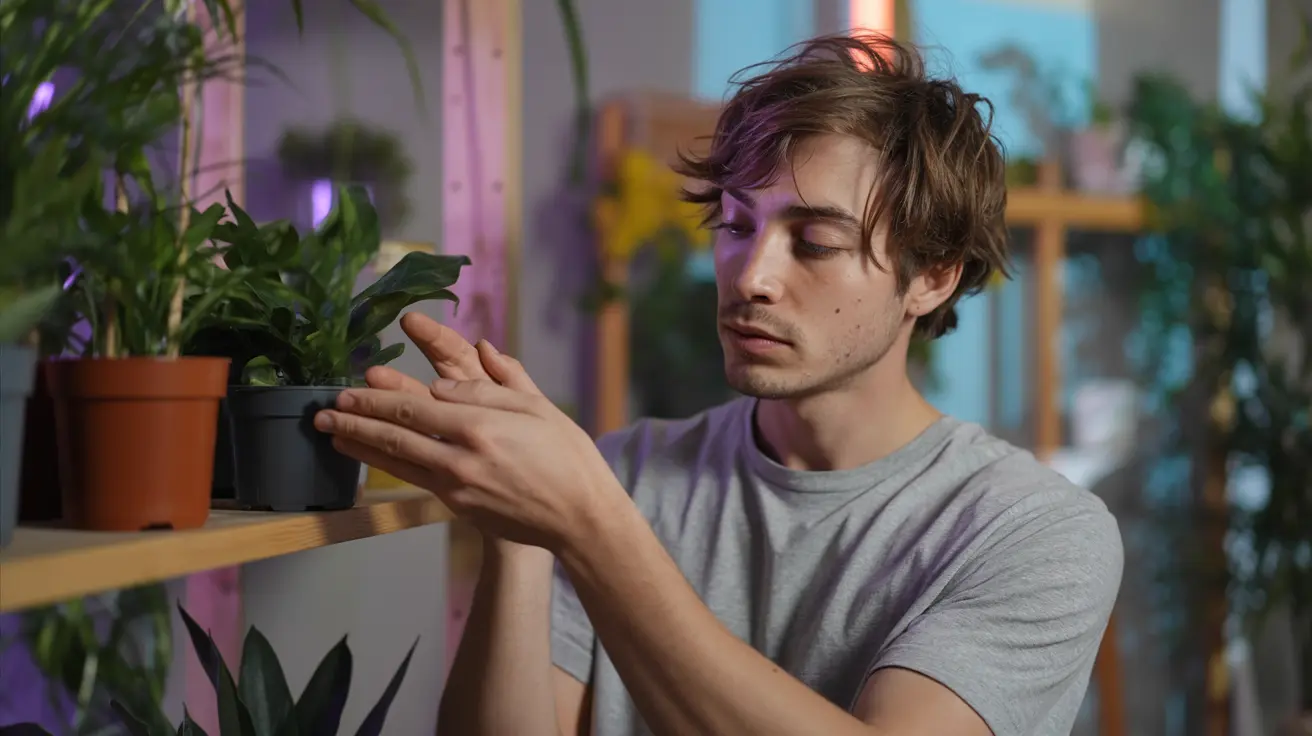
The finger test is one of the quickest and most reliable ways to check soil moisture. Insert your finger about one to two inches into the soil. If it feels dry at that depth, it's usually time to water for most houseplants. If the soil still feels cool and moist, wait another day or two before checking again.
Keep in mind that some plants, such as succulents and cacti, prefer the soil to dry out much more than tropical plants before being watered again. Understanding your plant's natural preferences is just as important as checking the soil itself.
Try the Wooden Chopstick Method
If you don't want to get your hands dirty, use a wooden chopstick, bamboo skewer, or even an untreated popsicle stick. Push it deep into the soil, leave it for a minute, then remove it.
If the wood comes out damp or covered with dark soil, your plant still has enough moisture. If it comes out mostly clean and dry, it's probably time to water. This method works especially well for larger pots where the surface may dry much faster than the soil around the roots.
Lift the Pot
Experienced plant owners often know whether a plant needs water simply by lifting the pot. Moist soil is significantly heavier than dry soil, so over time you'll become familiar with the difference.
After watering, carefully lift the pot and notice how heavy it feels. Then check it again a few days later. This simple habit helps you recognize when the soil has dried sufficiently without relying solely on visual cues.
Consider Using a Moisture Meter
If you have several houseplants or struggle to judge soil moisture accurately, a moisture meter can be a worthwhile investment. It measures moisture levels below the surface, giving you a clearer picture of what's happening around the roots.
While moisture meters aren't perfect, they're useful tools when combined with regular observation rather than being treated as the only source of information.
Watch Your Plant's Behavior
Plants communicate long before they reach the point of severe stress. Leaves may lose a little firmness, growth may slow slightly, or the foliage may begin to droop just a bit. These subtle changes are early signals that your watering routine may need adjusting.
Learning how each of your plants normally looks and feels makes it much easier to notice when something changes. The more familiar you become with your collection, the more confidently you'll know when it's actually time to water.
Adjust for the Seasons
Your plant's watering needs change throughout the year. During spring and summer, warmer temperatures and longer daylight hours encourage active growth, meaning plants generally need water more frequently. In autumn and winter, growth slows, evaporation decreases, and many houseplants require significantly less water.
Rather than sticking to the same schedule year-round, let seasonal conditions guide your routine. Checking the soil regularly instead of watering automatically is one of the simplest ways to keep your plants healthy in every season.
Ultimately, successful watering is about observation, not routine. By combining these simple techniques with a little patience, you'll dramatically reduce the chances of overwatering or underwatering your plants, and you'll gain the confidence that comes with truly understanding how they grow.
Common Watering Mistakes Almost Every Plant Owner Makes
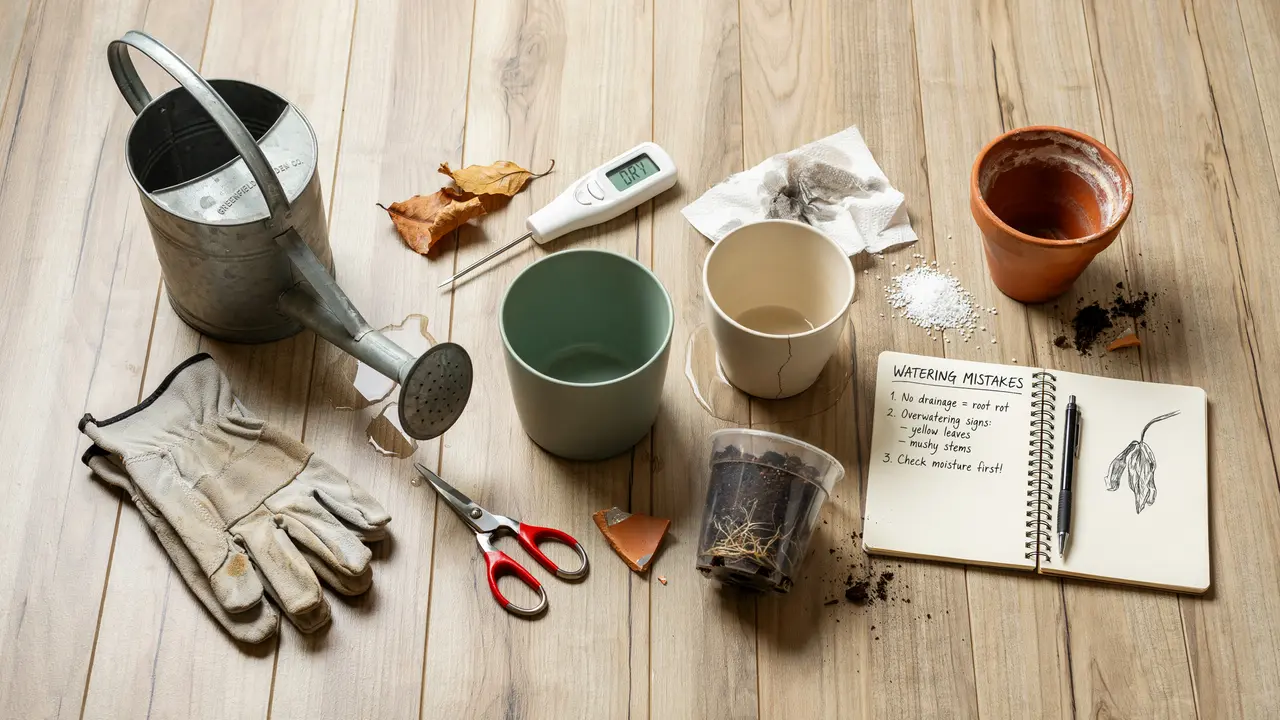
Even experienced plant owners occasionally make watering mistakes. The good news is that most of these habits are easy to correct once you recognize them. Avoiding the following common errors can dramatically improve your plants' health and prevent many of the issues covered in this guide.
Watering on a Schedule Instead of Checking the Soil
One of the biggest misconceptions in plant care is that every plant should be watered on the same day each week. In reality, a watering schedule that works in summer may be completely wrong in winter, and two plants sitting side by side may have very different moisture needs.
Instead of following the calendar, check the soil before every watering. Your plants will tell you when they're ready if you know what signs to look for.
Using Pots Without Drainage Holes
A beautiful decorative pot may look great on a shelf, but without proper drainage, excess water has nowhere to go. Water collects around the roots, creating ideal conditions for root rot and fungal diseases.
Whenever possible, grow plants in containers with drainage holes. If you use decorative cache pots, remove the inner nursery pot when watering and allow all excess water to drain before placing it back.
Watering a Little Bit Too Often
Many beginners give their plants a small splash of water every couple of days, thinking it's safer than watering thoroughly. Unfortunately, this often wets only the top layer of soil while leaving the deeper roots dry.
Instead, water deeply until excess water flows from the drainage holes, then allow the soil to dry to the appropriate level before watering again. Deep, infrequent watering encourages stronger, healthier root systems.
Ignoring Humidity
Not every dry-looking plant is actually thirsty. Tropical houseplants such as ferns, calatheas, and peace lilies often develop brown leaf edges because the surrounding air is too dry, not because the soil lacks moisture.
Before watering, check both the soil and your home's humidity levels. Increasing humidity may solve the problem without adding extra water.
Forgetting That Seasons Change
Plants don't drink the same amount of water year-round. During spring and summer, active growth usually increases water demand. In cooler months, shorter days and lower temperatures slow growth, meaning the soil stays moist for longer.
Failing to adjust your watering routine with the seasons is one of the most common causes of accidental overwatering.
Watering at the Wrong Time of Day
While houseplants are generally forgiving, watering early in the day is often the best practice. This allows excess moisture on the soil surface to evaporate naturally and gives plants plenty of time to absorb water before cooler nighttime temperatures arrive.
For outdoor plants, morning watering is especially beneficial because it reduces water loss from evaporation while helping to discourage fungal diseases.
Using the Wrong Potting Mix
Not all potting soils are created equal. Succulents, orchids, cacti, tropical foliage plants, and flowering houseplants all have different drainage requirements. A mix that stays too wet for one plant may dry out far too quickly for another.
Choosing a potting mix designed for your specific plant is just as important as watering correctly. Healthy roots begin with healthy soil.
Overreacting to Every Drooping Leaf
Seeing a drooping plant often causes people to water immediately, but drooping doesn't always mean dehydration. Overwatered plants, heat-stressed plants, recently repotted plants, and even plants adjusting to a new environment can all droop temporarily.
Before adding water, pause and investigate. Check the soil, inspect the leaves, and consider any recent changes in your plant's environment. A few extra minutes of observation can prevent a small issue from becoming a much bigger one.
The best plant owners aren't the ones who water the most, they're the ones who pay the closest attention. Developing the habit of observing your plants before reacting will help you avoid these common mistakes and keep your indoor garden healthy for years to come.
How to Build a Watering Routine That Actually Works

A successful watering routine isn't about following a rigid schedule, it's about creating a system that adapts to your plants' changing needs. Every home has a different environment, and every plant has its own preferences. By building a routine based on observation rather than habit, you'll spend less time worrying about your plants and more time enjoying them.
Group Plants With Similar Watering Needs
One of the easiest ways to simplify plant care is by keeping plants with similar moisture requirements together. Succulents and cacti, for example, prefer the soil to dry out completely between waterings, while tropical plants like peace lilies, pothos, and philodendrons generally enjoy consistently but not constantly moist soil.
Grouping similar plants makes it easier to care for them without accidentally overwatering one while trying to satisfy another.
Create a Weekly Plant Check-In
Instead of scheduling watering days, schedule observation days. Once or twice a week, walk through your home and inspect each plant individually. Check the soil, look for new growth, examine the leaves, and lift the pot to gauge its weight.
This simple habit takes only a few minutes but allows you to catch small problems before they become serious.
Keep Notes if You're New to Plant Care
If you're just starting your plant journey, keeping a simple notebook or using a notes app can be surprisingly helpful. Record when you watered each plant, how dry the soil was, and any changes you noticed afterward.
After a few weeks, you'll begin recognizing patterns unique to your home and your plants. Eventually, you won't need notes at all because you'll naturally understand each plant's rhythm.
Adjust as the Seasons Change
Plants don't need the same amount of water every month of the year. During spring and summer, warmer temperatures, longer days, and active growth usually increase watering needs. In autumn and winter, cooler temperatures and slower growth mean many plants require significantly less water.
Rather than forcing your plants to follow the same routine year-round, let the changing seasons guide your decisions.
Pay Attention to Your Home's Environment
Two identical plants can have completely different watering needs depending on where they're placed. A plant sitting in a bright south-facing window may dry out twice as fast as one across the room receiving indirect light.
Factors such as sunlight, room temperature, humidity, airflow, and even the type of pot all influence how quickly soil loses moisture. Regular observation helps you adjust your routine to match these conditions.
Prepare Before You Travel
If you'll be away from home for several days, avoid the temptation to heavily water all your plants beforehand. Constantly saturated soil can do more harm than slightly dry soil.
Instead, water plants normally before you leave if they need it, move sensitive plants away from intense sunlight, and consider using self-watering spikes, watering globes, or asking a trusted friend or family member to check on them if you'll be gone for an extended period.
Let Your Plants Set the Schedule
Perhaps the most important lesson in plant care is that your plants, not your calendar, should determine when it's time to water. Checking the soil, observing the leaves, and understanding each species' natural preferences will always produce better results than following a fixed weekly routine.
As your confidence grows, you'll find yourself relying less on guesswork and more on experience. Over time, watering becomes second nature, and your plants will reward you with stronger roots, healthier foliage, and steady, vibrant growth.
A thoughtful routine doesn't just prevent overwatering and underwatering, it creates the foundation for thriving houseplants all year long.
Quick Reference Chart: Overwatered vs. Underwatered Plants
When your plant starts looking unhealthy, it's easy to assume it simply needs more water. However, many symptoms of overwatering and underwatering overlap, making it difficult to identify the real problem. Use this quick reference chart to compare the most common signs before deciding what action to take.
Symptom | Overwatered Plant | Underwatered Plant |
Soil Condition | Constantly wet or soggy | Dry, crumbly, or pulling away from the pot |
Leaf Color | Yellow, pale green | Dull green, then yellow or brown |
Leaf Texture | Soft, limp, mushy | Dry, crispy, brittle |
Wilting | Yes, even when soil is wet | Yes, but improves after watering |
Brown Leaf Tips | Sometimes | Very common |
Stems | Soft or mushy | Firm but may become dry |
Root Health | Brown, black, mushy roots | Dry, shriveled, brittle roots |
Plant Growth | Slow or completely stalled | Slow due to lack of moisture |
Soil Smell | Sour, musty, rotten | Little or no odor |
Common Cause | Too much water, poor drainage | Infrequent or shallow watering |
Best Solution | Allow soil to dry, improve drainage, inspect roots | Water deeply and establish a consistent routine |
At a Glance

If you're still unsure what's happening, ask yourself these quick questions:
- Is the soil still wet several days after watering? You're likely dealing with overwatering.
- Does the pot feel unusually light and the soil feel dry several inches down? Your plant probably needs water.
- Do the leaves feel soft and limp? Overwatering is the more likely cause.
- Do the leaves feel dry and crispy? Underwatering or low humidity is often to blame.
- Is there a sour smell coming from the pot? Inspect the roots immediately for signs of root rot.
Remember that plants often display more than one symptom at a time. Instead of relying on a single clue, look at the overall condition of the soil, roots, stems, and leaves before making changes to your watering routine.
The more often you observe your plants, the easier it becomes to recognize these patterns. Before long, you'll be able to spot watering problems early, long before they cause lasting damage.

Frequently Asked Questions
Can an overwatered plant recover?
Yes, many overwatered plants can recover if the problem is caught early. The first step is to stop watering annext sectiond allow the soil to dry to the appropriate moisture level. If the roots have started to rot, remove the plant from its pot, trim away any damaged roots, and repot it in fresh, well-draining soil. Recovery may take several weeks, but healthy new growth is a good sign that the plant is healing.
How long does it take a plant to recover after underwatering?
It depends on how severely the plant has dried out. Mildly underwatered plants often perk up within a few hours of a deep watering, while severely dehydrated plants may take several days or even weeks to fully recover. If the roots have been damaged from prolonged dryness, new growth may take longer to appear.
Should I remove yellow leaves?
Yes. Once a leaf has turned completely yellow, it won't become green again because it has lost its chlorophyll. After you've corrected the underlying watering issue, you can safely prune fully yellow leaves using clean scissors or pruning shears. This allows the plant to direct more energy toward producing healthy new growth.
Is misting the same as watering?
No. Misting increases humidity around the leaves for a short period, but it doesn't provide the roots with the water they need. While some tropical plants appreciate higher humidity, misting should never replace proper watering. Focus on keeping the soil at the right moisture level based on your plant's specific needs.
How often should I water indoor plants?
There isn't a single schedule that works for every plant. Factors such as plant species, pot size, soil type, light exposure, humidity, and the season all affect how quickly the soil dries. Instead of watering every few days or every week, check the soil regularly and water only when your plant actually needs it.
Can root rot be reversed?
Root rot itself cannot be reversed, but the plant can often be saved if enough healthy roots remain. Remove all rotten roots, repot the plant in fresh, well-draining soil, and adjust your watering routine to prevent the problem from returning. The earlier you catch root rot, the better the chances of a full recovery.
What's the easiest way to know when my plant needs water?
The simplest method is the finger test. Insert your finger one to two inches into the soil. If it feels dry at that depth, it's usually time to water. You can also lift the pot to judge its weight or use a moisture meter for additional accuracy. Over time, you'll become familiar with your plant's natural watering rhythm.
Why do different plants need different watering schedules?
Plants have evolved in different climates around the world. Desert plants like cacti and succulents are adapted to long periods without rain, while tropical plants naturally grow in environments where the soil stays consistently moist. Understanding where your plant originates helps you recreate the conditions it needs to thrive indoors.
Can I save a plant that's been overwatered for months?
Possibly, but the outcome depends on how much healthy root tissue remains. Remove the plant from its pot and inspect the roots carefully. If there are still firm, healthy roots, trimming away the damaged sections and repotting into fresh soil may give the plant a second chance. If every root is black, mushy, and falling apart, recovery is unfortunately unlikely.
What's the biggest watering mistake beginners make?
The most common mistake is watering on a fixed schedule instead of checking the soil first. Plants don't use water at the same rate every week, and environmental conditions constantly change. Taking a few moments to inspect the soil before watering is one of the easiest ways to avoid both overwatering and underwatering.
Final Thoughts
Learning how to water your plants correctly is one of the most valuable skills you can develop as a plant owner. While it's easy to assume that more water equals healthier plants, the truth is that successful plant care is all about balance. Both overwatering and underwatering can cause stress, but once you understand the warning signs, they're much easier to prevent, and often easier to fix than you might think.
Instead of relying on a strict watering schedule, make it a habit to observe your plants. Check the soil before reaching for the watering can, pay attention to changes in the leaves, and remember that every plant has its own unique needs. A pothos, snake plant, peace lily, and succulent all thrive under different conditions, so a little observation goes much further than following a one-size-fits-all routine.
Don't be discouraged if you've made watering mistakes in the past. Nearly every plant enthusiast has accidentally overwatered or forgotten to water a plant at some point. The important thing is learning from those experiences and adjusting your care routine. Plants are remarkably resilient, and with the right attention, many can recover from even significant stress.
As your confidence grows, you'll begin to recognize subtle signs before they become serious problems. You'll notice when the soil feels just right, when a leaf starts to lose firmness, or when a plant is entering a period of active growth and needs a little more attention. Those small observations are what separate thriving plants from struggling ones.
In the end, healthy houseplants aren't the result of luck, they're the result of consistency, patience, and understanding. By paying attention to what your plants are telling you and responding thoughtfully, you'll create an environment where they can flourish for years to come. Whether you're caring for your very first houseplant or an entire indoor collection, mastering the art of watering is one of the best investments you can make in your plants' long-term health.

Leave a comment
Your email address will not be published. Required fields are marked *